The fashion and retail sector, across the globe, seems to be treading on cautious optimism as Omicron, the newest variant of Coronavirus, continues to send shivers down everyone’s spine. While the situation is bad in the US and the UK, rising cases in India are giving headache to the apparel and fashion firms of the country.
What’s notable, however, is that most of the Governments do not seem to have lockdowns in their plans. No lockdowns would mean economy isn’t going to be hit as much as it was by the previous variants and that’s some solace for the business establishments and fashion retailers.
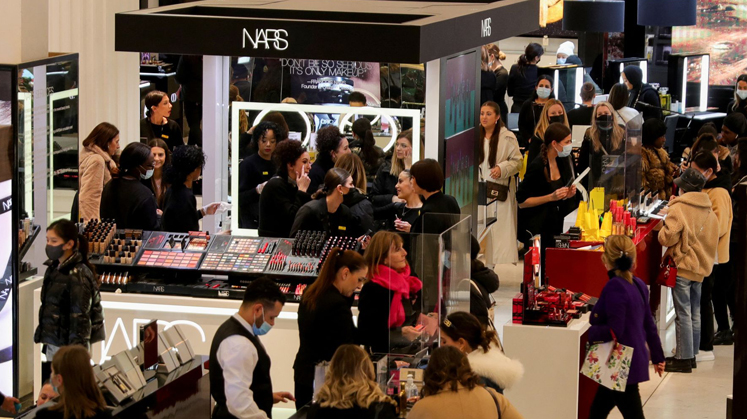
Also, mass protests across the UK, Europe and the US, has distinctly shown the Governments that people are no longer going to accept any tough pandemic-induced restrictions – good or bad, nationwide lockdowns may not happen. So, whether it is Belgium, Germany or Austria, people have taken to streets against increased restrictions, job losses or mandatory vaccinations. In such a scenario, many have preferred to go out and shop for apparels, footwear or electronic items – and do revenge shopping if one may call so. This, at least, makes one thing clear that retail sector may not be hit as badly as it was around this time last year.
The impact will be less on retail; apparel sector need not panic, believe experts!
Dr. Sheng Lu, Associate Professor, Fashion and Apparel Studies, University of Delaware, says that the new variant will add new uncertainties and pressures to the apparel supply chain; however, he is positive that there is no need to panic, at least in the short run.
He further adds, “On one hand, consumers’ demand for clothing likely will still follow a seasonal pattern. There is no indication anywhere that the rising cases in the US have negatively affected consumers’ enthusiasm for holiday clothing shopping.” Decent Black Friday and Christmas sales numbers in the US are there for everyone to see.
Dr. Lu also avers that January and February will be a light season for apparel sales anyway. Also, consumers can more easily purchase clothing online or through their apps today, making the demand side more resilient than at the beginning of the pandemic.
Industry consultant Bob Antoshak says that nations that are less vaccinated are more vulnerable, adding “this could prove problematic for developing countries that export garments to buyers around the world.”
Some experts also believe while there could be restrictions in the UK and Europe, the driver of recovery in luxury fashion, over the last year, has been US and Chinese consumption. More on this, Lisa Hooker, PwC Analyst, says, “Throughout the pandemic so far, luxury has proven resilient. While the global sector lost 30 per cent of revenue between February and June 2020, the growth of big players was rebounding by the end of 2020, particularly leather goods and accessories.”
It is imperative that the impact on retail has been less with every lockdown, with retail pivoting to e-commerce/digital engagement from the first lockdown.
Yes, there are challenges especially with international tourism, which could be hit yet again – Ongoing supply chain issues may be disrupted as partial lockdowns and growing uncertainty in manufacturing countries may cause more delays. But, on the whole one must remember every lockdown has become milder in its range and restrictions, with less economic impact.
Success of Black Friday in the US is inspiring; Christmas shopping hasn’t been bad either
Though the variant is still growing, retailers may not see a big hit to holiday sales, believe many analysts. Decent Black Friday shopping, across the US, and not-so-bad Christmas sales should make a happy new year for most of the retailers.
The Black Friday and Cyber Monday, in the US, this year saw customers spend money on apparels and electronics as they returned to stores. In fact, sales on Black Friday shot up by 29.8 per cent from the previous year, as per Mastercard. Notably, apparel sales led the growth on Black Friday, increasing by 86.4 per cent compared to Black Friday last year.
As it happened with Thanksgiving Day, Black Friday and Cyber Monday weekend, Christmas too came on a weekend this time (a Saturday) and here one must say that most of the people have already done their Christmas shopping and so final numbers shouldn’t be bad.
Also Read: Holiday sales! An even-steven affair so far
The good part is that consumer confidence is growing and retailers are happy about it. US fashion retail bigwigs like Target and Lowe’s continue to offer major discounts to get ahead of stocking and shipment issues. However, some fashion retailers may see an influx of inventory by January 2022. More on the same, an expert says that while some larger companies were able to expedite shipping in time to stock their shelves for the holiday shopping season, smaller sellers were not able to do so.
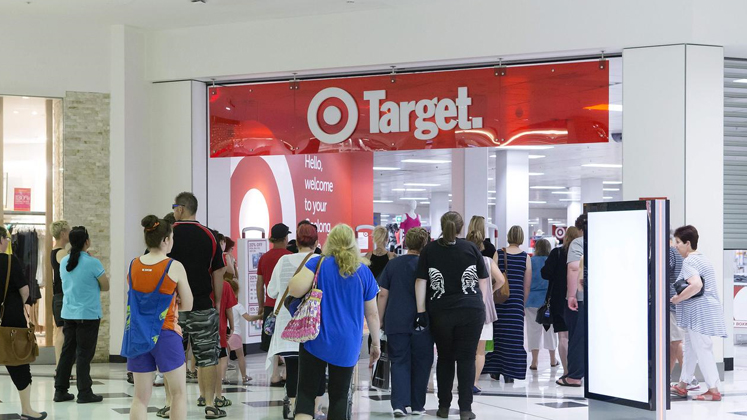
It’s not just Target and Lowe’s. There are others too! While Backcountry, the American clothing retailer, is offering 75 per cent off in select sale styles, the apparel and shoe retailer Belk has also been offering attractive discounts. Old Navy too is giving up to 60 per cent off sitewide. Besides, Brooklyn Bedding is offering 50 per cent off on sheets and 25 per cent off on mattresses. It will be interesting to see if this continues well into January 2022 also.
In UK too, fashion retailers like Primark have not seen much impact on shopper numbers so far from the emergence of Omicron – trading ahead of expectations. Its like-for-like sales for the 2021/2022 financial year have been better than the first few months of the previous year. “We are trading well over Christmas,” further substantiated John Bason, Finance Chief, AB Foods.
Similarly Harrods, also known for its apparels, sporting gear, bridal trousseau and toys, is offering discounts of up to 50 per cent on selected goods on its online store, with further discounting continuing all through the holiday season. The retailer believes that its sale and discounts will give its global customers an opportunity to enjoy the magic of Harrods during the entire holiday season. Omicron doesn’t seem to have bothered some of them like Primark and Harrods.
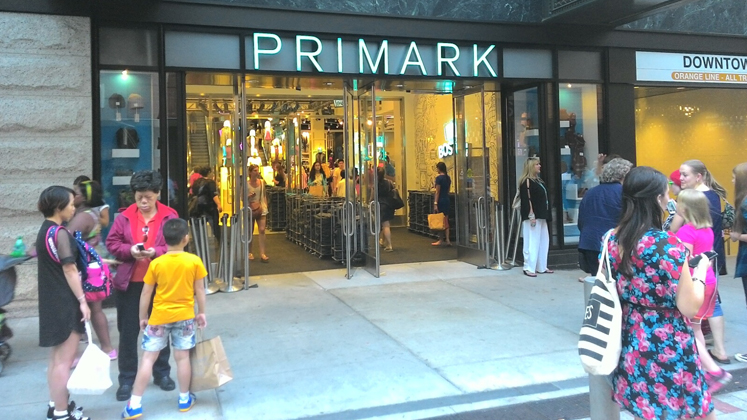
Also, London’s West End saw its footfall increase by 10 per cent in the Christmas week, compared to the week before. West End couldn’t have asked for anything better considering people have braved the Omicron onslaught to buy apparels, footwear and other accessories.
Also Read: Footfall in London’s West End improves in the Christmas week despite omicron
But does India need to worry much!
With India recording 13,154 plus cases of Omicron as on 30 December 2021, the Indian Government has asked State Governments to consider imposing local restrictions. States have been advised to be vigilant and monitor case positivity, doubling rate and clusters of new cases across districts.
Like the US and the UK, there may not be a nationwide lockdown in India, which was also evident from PM Modi’s address to the nation on 25th December night, but if some factories or apparel firms are forced to close down, it may hit the profits of manufacturers – not to mention the livelihood of the garment workers, or for that matter any worker. There could then also be another wave of labour migration. In fact, estimates suggest that up to 80 per cent of workers from the informal sector lost their jobs last year due to the lockdown, and amongst these, daily wage workers, street vendors, garment workers and retailers were hit badly. That’s an area that will continue to worry the workers as well as the manufacturers.
However, 2022, experts believe, is going to be different from 2020 and early 2021. In the last 20 months, a lot of money went into drains after orders got cancelled, payments got stuck and factories kept closing down. However, things aren’t as bad today! In fact with more than 143.75 crore (both) vaccination doses done as on 30 December 2021, and hospitals and healthcare facilities better equipped in most parts of the country, the businesses are in better position today. There are minimal chances of goods getting blocked or payments getting stuck this time.
Many top CEOs have said that consumers are using both online and offline channels to shop, irrespective of delta, Omicron or any other variant. More on this,Peter Betzel, CEO, IKEA India, says, “We see a lot of demand for people using and visiting our stores because they know and they acknowledge that we have high standards when it comes to safe places to shop. So, it all goes together.”
Here one would also like to state that the Ministry of Finance recently said that India will be amongst only a few economies to rebound strongly from the COVID-19-induced contraction of 2020-21. That’s good news as well!
As we are heading into 2022, the business climate is better today than what it was at the beginning of 2021. Also, considering Omicron is not going to be lethal, unlike Delta, India needn’t worry much about Omicron.
However, this is just an immediate reaction to the growing variant, and it will take a few weeks to understand how much impact Omicron will have on fashion business. Though at the moment things look under control, Team Apparel Resources is keeping a close eye on all movements and will update once the picture becomes more distinct.
Better days aren’t too far – hopefully!






 Bharat Tex Special Report 2026