The sustainable fashion market is maturing quickly, as informed consumers are pushing brands to bring real innovation in materials, manufacturing, traceability, and supply chains.
Our research shows that around 80% of Indian consumers are “very” concerned about sustainability and climate change, and a similar share say they have started shopping more sustainably over the last four years.
But concern doesn’t automatically mean opening their wallets. Indian consumers are selective, and they’ll pay more only when sustainability is visible in fabrics, wearability, and honest sourcing, not just marketing talk.
Data backs this shift. Our research shows that while sustainability is firmly top-of-mind, nearly 60% of consumers are willing to pay a limited premium for sustainable products. At the same time, over 40% already prefer eco-friendly and socially responsible brands when those claims are credible.
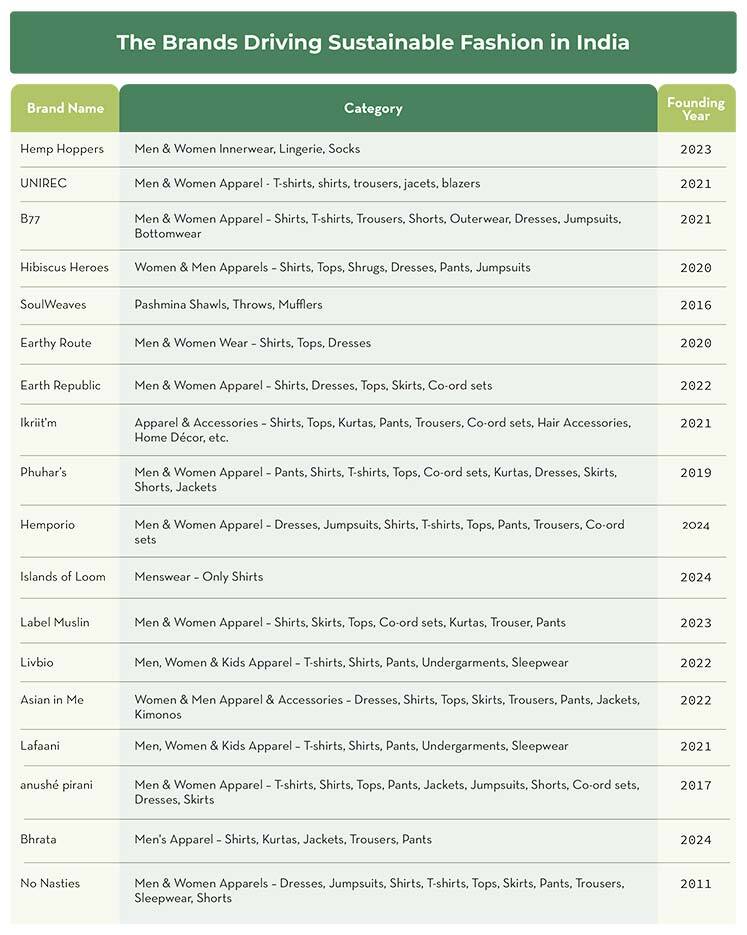
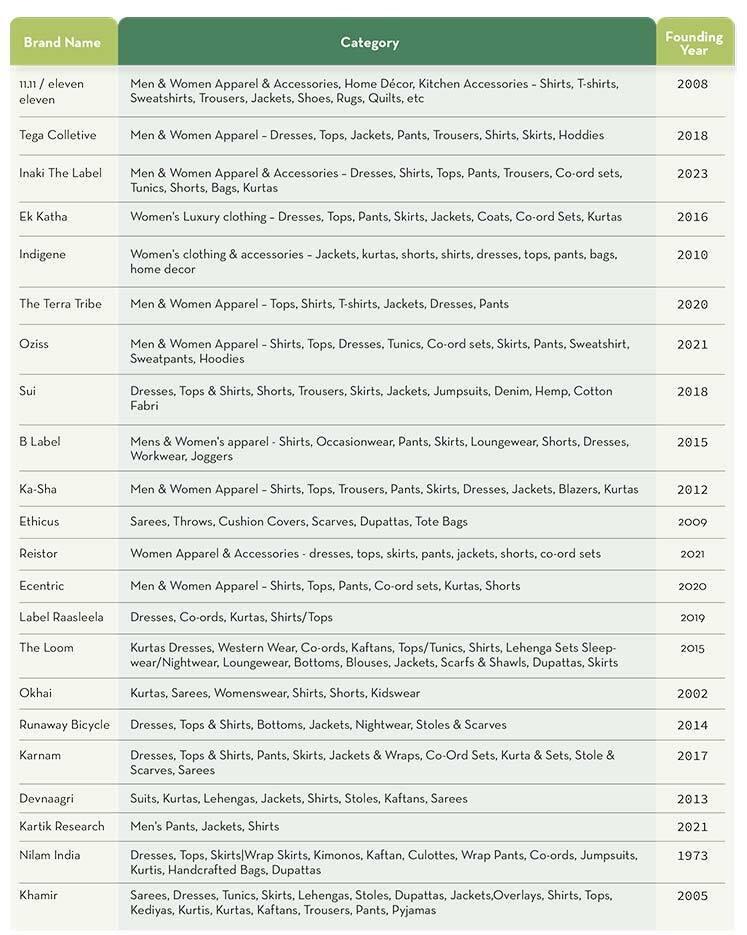
Our analysis of 40 emerging sustainable brands reflects these trends and decodes how sustainable fashion is taking root in India. India’s sustainable fashion market was valued at US $272.51 million in 2024 and is projected to reach US $1,599.12 million by 2033, growing at nearly a 22% CAGR. Out of the 40 brands analysed, 16 were founded in or after 2021, highlighting strong recent growth in the market.
Gen Z and young millennials are a fast-growing segment driving demand for sustainable products. A few brands are even catering to Gen X, who prefer comfortable, long-lasting basics.
A big portion of demand is coming from big cities such as Delhi, Mumbai, Bengaluru and Pune, Chennai, and Hyderabad. However, smaller cities like Nagpur, Raipur, Vadodara and Kochi, along with the Northeast region, are also catching up.
Looking ahead, experts expect Generation Alpha (born 2010–2024) to emerge as a key audience for sustainable products, shaped by early exposure to climate awareness and responsible consumption.
The Rise of Alternative Fibres
The global eco-fibre market was worth US $67.2 billion in 2025. It is expected to grow to US $73.12 billion in 2026 and reach about US $142.99 billion by 2034, growing at a CAGR of 8.7% each year.
The growth projections are impressive. But zoom out to the full picture of global fibre production, and it becomes clear how much ground still needs to be covered.
Total global fibre production was 132 million tonnes in 2024. Out of this total, plant fibres make up 24%. Cotton alone accounts for 19%, while other plant fibres make up 5%. Of the total cotton produced, about 65% is conventional or from unknown sources, 34% is organic, and only 1% is recycled cotton.
Non-cotton plant fibres had a total production of about 6.9 million tonnes in 2024. Jute was the largest among these fibres, making up about 54%. It is commonly used for ropes, packaging, mats, and home textiles.
Coir was the second-largest plant fibre, with about 26% share. It is made from coconut husks and is mainly used in floor mats, doormats, brushes, and mattresses.
Flax fibre production was about 0.3 million tonnes in 2024, giving it around 5% share of the non-cotton plant fibre market. Hemp fibre production was also around 0.3 million tonnes, accounting for about 5% of the non-cotton plant fibre market.
Meanwhile, animal fibres made up just 1% of total fibre production. Within this small share, wool was the largest at about 0.9%. Cashmere, mohair, alpaca, and other animal fibres together made up the remaining small portion.
Against all of this, polyester remains the most widely produced fibre in the world, accounting for about 59% of global fibre production. And the vast majority of it is still virgin, recycled polyester makes up only around 12% of total polyester production.
Overall, less than 1% of the global fibre market came from pre- and postconsumer recycled textiles.
Despite the limited penetration of alternative fibres, sustainable fashion brands are increasingly experimenting with alternative materials.
For instance, brands are using Himalayan wild grass fabric, a handloom textile developed from perennial grass found in the upper Himalayan regions. Many are also working with Bemberg linen, which combines linen with Bemberg, a regenerated cellulose fibre made from cotton linter. The fibre is known for its smooth feel, breathability, and biodegradability.
Some brands are also experimenting with sugarcane fibre (bagasse). Bagasse is a biodegradable and renewable material made from leftover sugarcane after juice extraction.
Hemp is also gaining traction as clearer policies, ongoing research and early adoption by brands are bringing the fibre back into focus.
For example, Himachal Pradesh has introduced rules to legalise and regulate industrial hemp farming. Uttarakhand and Uttar Pradesh have already legalised hemp farming.
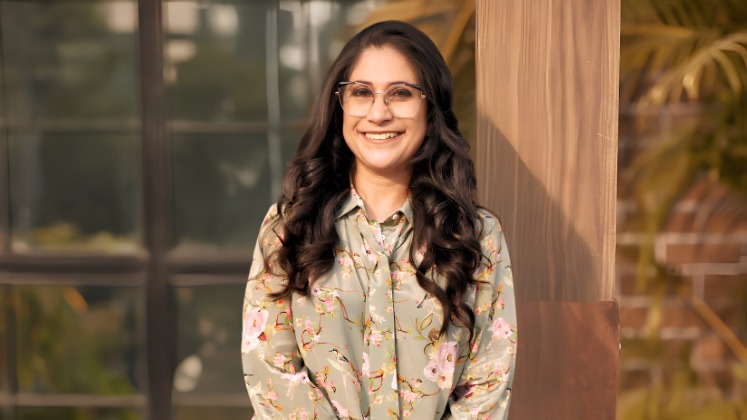
| Our core audience consists of urban, eco-conscious consumers with medium to high disposable income levels (₹50,000–₹1,00,000 per month). They are educated, aware, seeking authentic eco-friendly brands and are willing to pay a 10–20% premium for sustainable offerings. Our primary markets include metro cities such as Delhi, Mumbai, Bangalore, and Hyderabad.
Rachna Sarup, |
International material companies are also looking at India as a growth market. Detroit-based material science company Heartland has launched a textile business unit in India. The aim is to increase the use of hemp fabric in the supply chain.
Brands are testing hemp across categories. Some brands are even making hemp the USP of their products and building their identity around the fibre.
For instance, Hemp Hoppers offers hemp-based products for men and women. The company highlights that the fabric is fully biodegradable, lightweight, naturally antibacterial and antimicrobial, and provides high UV protection.
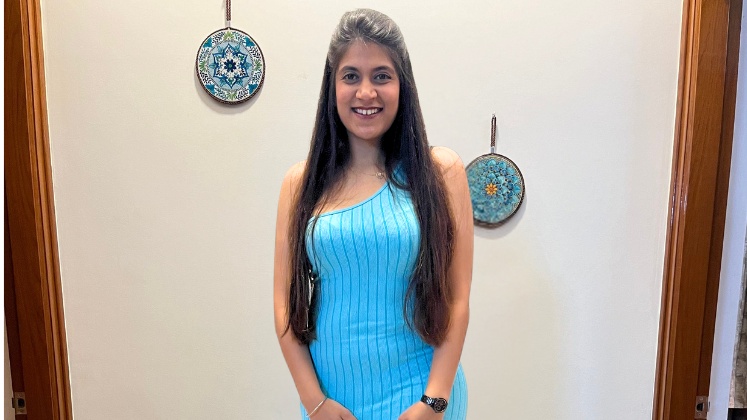
| Hemp offers up to 3x the durability of conventional cotton, along with natural breathability, anti-odour, skin friendly and thermo-regulatory properties. In a category where innerwear often lasts just 3-4 months before losing shape or softness, our products are designed for extended wear cycles.
Chandini A, |
Hemporio uses hemp for dresses, co-ord sets, shirts, bottom wear and jackets or blazers for men and women. The brand holds certifications such as GOTS, GRS, QRO Quality Management and Oeko-Tex Standard.
Similarly, Cannabie offers hemp-based menswear such as shirts, shorts, joggers, cargo pants, kurtas, T-shirts and vests. For women, it offers crop tops and sleeve knit tops.
Another hemp-focused brand, Ecentric, uses hemp for everyday menswear and womenswear, spanning shirts, tops, pants, co-ord sets, kurtas, and shorts.
At the same time, several sustainable brands such as Islands of Loom, Livbio, Phuhar and Reistor are incorporating hemp within diversified fibre portfolios rather than building exclusively around it.
A few brands, like Bhrata, build their entire range around just one fibre, pure linen.
Traditional animal fibres are also gaining renewed attention. For instance, brands are going beyond silk to focus on Eri silk, also known as ‘peace silk’. This form of silk is produced without killing the silkworm, allowing it to complete its life cycle before the fibre is processed.
A few are also using Bamboo silk in their collections.
Brands are also working with certified Pashmina wool sourced from the Changthangi goat native to Ladakh. For instance, SoulWeaves uses this fibre to create shawls, cashmere mufflers, and Pashmina throws. One of the rarest fibres in the world, authentic Pashmina accounts for only about 0.01% of global cashmere production, with all other varieties produced outside the goat’s natural habitat classified simply as cashmere.
The Revival of Organic Cotton
Of all the alternative materials, organic cotton has the most room to grow.
India is the world’s largest producer of organic cotton and supplies more than one-third of the global market. The organic cotton segment is growing steadily worldwide and is expected to reach US $25.89 billion by 2032.
In India, special attention is being given by brands to indigenous cotton varieties.
For example, Lafaani combines handspun and handwoven cotton with natural dyes derived from flowers and plant matter. It uses indigenous varieties such as Kala Cotton (Kachchh, Gujarat), Kandu cotton (South India), and Ponduru cotton (Andhra Pradesh), all of which require less water and are suited to local growing conditions.

| At Lafaani, we place particular importance on indigenous materials like Kala Cotton and indigenous sheep wool, as well as Indian heritage weaves such as Chanderi, which carry deep ecological and cultural relevance. Drishti Modi, Founder, Lafaani |
Likewise, 11.11 / eleven eleven, which makes clothing and accessories for men and women as well as home décor and kitchen accessories, works with indigenous cotton varieties like Kala Cotton and Ponduru cotton. Its fabrics are handspun and handwoven, using significantly less water than industrial cotton. The brand relies on plant-based dyes derived from local agricultural byproducts, reducing chemical processing and water use.
Ka-Sha also works mainly with cotton fabrics. These include kala cotton, power loom cotton, kora cotton, and other handloom cotton varieties sourced from Bihar, Kutch, and Kerala. The brand also uses Chanderi cotton from Madhya Pradesh and sources linen from Pune.
Known for Indian silhouettes like long skirts, saree dresses, and anarkalistyle kurtas, Ka-Sha sells largely in international markets and operates a store in Gurgaon and a studio retail space in Pune.
Tamil Nadu-based Ethicus offers handwoven organic cotton sarees, with eco-friendly dyes.
At the certified organic end, traceability remains central. No Nasties makes its sourcing information publicly available on its website. The brand sources cotton from the farmerowned cooperative Chetna Organic and manufactures through Rajlakshmi Cotton Mills, a facility holding GOTS, Fairtrade, and SA 8000 certifications.
Similarly, B77 TechStyles provides a QR code on each garment. Customers can scan it to see the carbon footprint of the product, which is independently verified by RePut.ai, a supply chain solutions provider that uses blockchain and AI algorithms to offer visibility.
Fashion’s Waste-First Approach
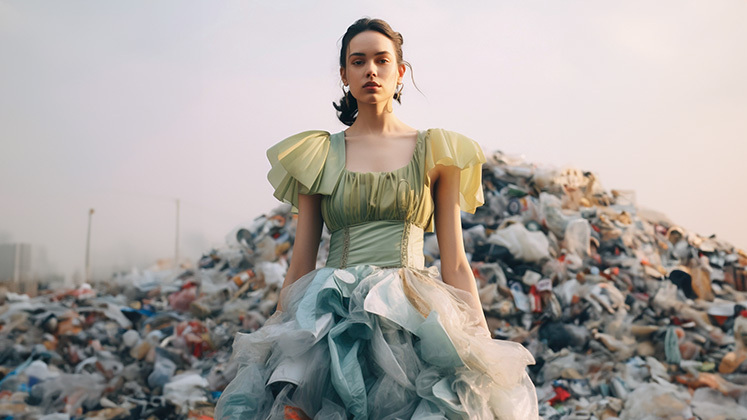
As scrutiny around raw materials increases, many brands are turning to recycled and upcycled inputs to reduce dependence on virgin resources. Among these, recycled PET, or rPET, bottles have emerged as a key focus. In India, the rPET market was valued at US $10.67 billion in 2023 and is expected to reach US $17.53 billion by 2030, growing at a rate of 7.35% per year.
Many sustainable brands now combine the use of rPET fibres with natural sustainable fibres such as organic cotton, hemp, linen, and other responsibly sourced materials. Products made from these fibres include jackets, blazers, trousers, shirts, polo shirts,
T-shirts, and hoodies, co-ord sets, and accessories such as bags. For Unirec, recycled polyester sits at the core of its sourcing strategy. The brand works exclusively with GRS certified suppliers, where yarn is produced from recycled PET bottles within a closed ecosystem. Their product line includes jackets, blazers, trousers, shirts, polo shirts, T-shirts, and hoodies.
A similar avoidance of virgin resources shapes the material choices at Earth Republic, which sells clothing for women and men, including tops, dresses, co-ord sets, and shirts. The brand relies largely on recycled plastic and agricultural waste for its raw materials. Circularity is extended through a pre-loved platform that encourages resale and longer product life.
At the same time, India generates a lot of textile waste every year, around 8.5% of global textile waste or 7,793 ktons. Most of this comes from domestic post-consumer waste (51%), pre-consumer waste (42%), and imported post-consumer waste (7%). Post-consumer waste is the hardest to manage because it is difficult to collect and sort, but several brands are actively addressing fabric waste from production, surplus inventory, and end-of-line stock.
For instance, Oziss sources surplus and waste fabrics from large exporters and integrates them into custom fabric blends. The brand makes clothing for men and women and aims to offer recycled and responsible fashion at prices closer to the mass market.
Likewise, The Terra Tribe uses locally handwoven fabrics developed from its own factory waste, alongside consciously produced organic cotton.
Similarly, Asian In Me incorporates mill-surplus materials into its product range. One example is its women’s crop-length top, crafted from ultracomfortable cotton sourced from surplus fabric.
Pune-based Ka-Sha too promotes sustainability through its “Heart to Haat” initiative, which upcycles production waste into new garments and accessories, and offers repair services. A zero-waste philosophy also defines Chennai-based Inaki the Label. The brand works with handwoven fabrics sourced from weaving units and cooperatives across Tamil Nadu, alongside deadstock fabrics from other fashion houses. The brand offers everyday basics, tops, bottoms, dresses, co-ord sets, genderneutral clothing, and accessories such as bags.
Lafaani also makes upcycled accessories such as clutches, pocket squares, and drawstring bags, repurposing fabric scraps from its production process. Likewise, Label Muslin also uses upcycled materials in its collections.
Craft-Led Fashion Steps into the Spotlight
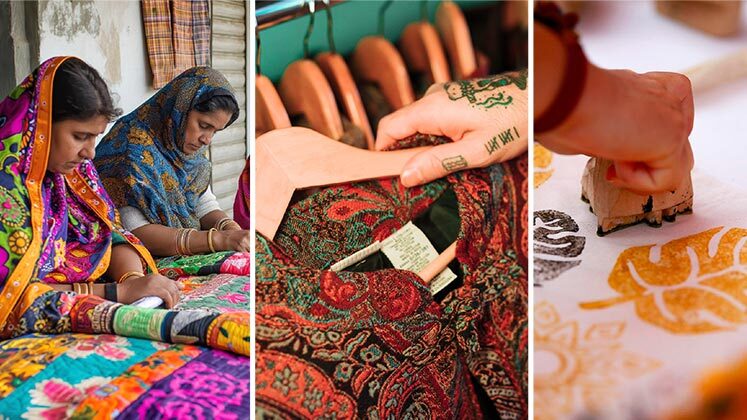
Apart from alternate materials, another aspect of sustainability that is fast gaining traction is craft. By craft, we mean products shaped by local communities, made by hand using traditional skills, regional techniques, and materials native to their place.
Unlike fast fashion merchandise, which are produced in bulk and often ended up in inventory, craft fashion is produced in limited quantities, pace of production is slow (often producing one unit takes a month), each piece comes with a story and hence creates a belongingness and thus high wardrobe retention value resulting delayed shift to landfill.
Indian craft is shaped by hand through weaving, embroidery, dyeing, and printing. Each process grows out of local materials, climate, and culture.
Weaving traditions vary widely across regions. Styles such as Kandagi from
Tamil Nadu, Sambalpuri from Odisha, Paithani from Maharashtra, Ilkal from Karnataka, Tangaliya from Gujarat, Venkatagiri from Andhra Pradesh, Puan from the North East, Patola and Mashru from Gujarat, Lepcha from Sikkim, Kota Doria from Rajasthan, Kani from Kashmir, Kanchipuram brocade from Tamil Nadu, Jamdani from Bengal, Chanderi from Madhya Pradesh, Baluchar from Bengal, Bomkai from Odisha, and Himru from Maharashtra show just how diverse India’s loom traditions are. For brands and retailers, this diversity allows constant design innovation while staying rooted in tradition.
That richness continues on the surface of the fabric. Indian embroidery is detailed, time-intensive, and deeply expressive. Chikankari from Uttar Pradesh is known for its fine white-onwhite work. Kantha from Bengal uses simple stitches to tell layered stories. Phulkari from Punjab is bold and celebratory, while Zardozi and Zari bring richness and shine to garments. Other important styles include Gota Patti, Kashida, mirror work, Aari embroidery, Kasuti, Mukaish, and Banjara embroidery.
Whereas, dyeing and printing traditions such as Bandhani, Leheriya, Ikat, Batik, and Sungadi demand careful planning even before weaving begins. Block printing styles like Ajrakh, Bagru, Sanganeri, Bagh, Dabu, and Nandna depend on natural dyes, hand-carved blocks, and multi-step processes. Techniques such as Kalamkari, Varak printing, and Saudagiri further reflect skillintensive, small-batch practices that are generally low-impact and rooted in natural materials.
The use of craft in fashion also makes strong business sense. It helps brands stand out in a crowded market, by enabling differentiation, premiumisation, and long-term brand equity. It gives brands authentic stories in a market where trust is hard to earn. It also connects well with the push for Make in India and stronger supply chains.
Craft by the Numbers
Today, India has around 64.66 lakh handloom and handicraft artisans spread across states such as Uttar Pradesh, Rajasthan, Assam, Odisha, West Bengal, and Tamil Nadu. There are 744 recognised handicraft clusters and over 455 classified craft categories. With 318 GI-tagged handicraft products, India holds a depth of craft knowledge that few countries can match.
The policy support has helped the craft ecosystem to become more mature over the years. For example, programmes like the National Handicraft Development Programme and the Comprehensive Handicrafts Cluster Development Scheme have focused on skills, design, better tools, infrastructure, and access to markets.
In FY 2023–24 alone, 786 marketing events were supported under NHDP, both in India and overseas. More than 66,000 artisans benefited from this. Steps like GI tagging, One District One Product, and support for SelfHelp Groups have made it easier for crafts to move beyond local markets and reach larger urban and global platforms.
The impact is visible in the numbers. In 2024–25, exports of handicrafts, excluding hand-knotted carpets, reached ₹33,122.79 crore (US $ 3.64 billion). This is a good jump from ₹20,082.53 crore (US $ 2.21 billion) in 2014–15. Hand-printed textiles played a key role in this growth, contributing ₹3,217 crore (US $ 353 million) in exports.
The United States continues to be the biggest buyer, accounting for around 37% of exports. At the same time, 61% of Indian handicrafts now go to a wider mix of global markets. Just as important is what is happening at home. The domestic craft market in India is around US $7.1 – US $9.3 billion.
Craft Finds Big Backers
Domestic demand for fashion craft has grown steadily due to the entry of large retailers.
For example, Reliance Retail has come up with Swadesh, a retail format built around artisan-made products. Swadesh brings together handloom, textiles, handicrafts, and GI-tagged products from across the country. Reliance also has craft-focused brands such as Avantra and Avaasa.
Tata Group entered the space with Taneira in 2017. The brand works with more than 100 textile clusters and over 12,000 artisans. Tata also has Utsa and Samoh in its portfolio.
| Craft brings sustainability by default. It focuses on human labour and provides direct employment opportunities for the people in the hinterland without requiring locals to migrate or abandon traditional livelihoods for foreign industries. |
Similarly, Aditya Birla Group has charted a clear strategy around craft through brands like Jaypore and Aadyam Handwoven. Jaypore acts as a large platform for artisanal products, ranging from hand-block printed clothing to handcrafted jewellery and home décor. Aadyam Handwoven works closely with weaver clusters in places like Varanasi, Pochampally, and Bhuj to create premium handwoven textiles for apparel and home use. ABFRL also has Tasva and has partnered with leading designers such as Tarun Tahiliani, Sabyasachi, Shantnu and Nikhil, and House of Masaba.
In occasion wear, Twamev operates in the luxury segment and belongs to Vedant Fashions Limited, the Kolkatabased company behind Manyavar and Mohey. Ethnix by Raymond also caters to this space.
Meanwhile, traditional players like Fabindia continue to do well in this space.
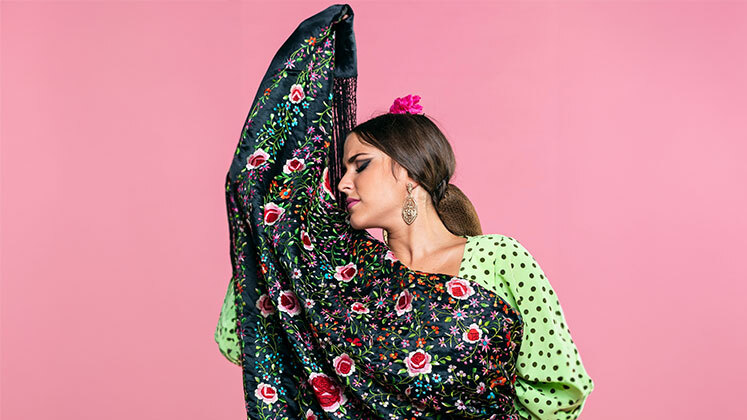
At the premium end, brands such as Good Earth, Anokhi, and Grassroot by Anita Dongre show that craft-led fashion can command luxury value. Labels like Saundh, trueBrowns, and Hiranya are also gaining steady ground.
At the same time, younger platforms such as iTokri and Suta are using digital-first models to make handwoven and handcrafted products relevant to a new generation of consumers.
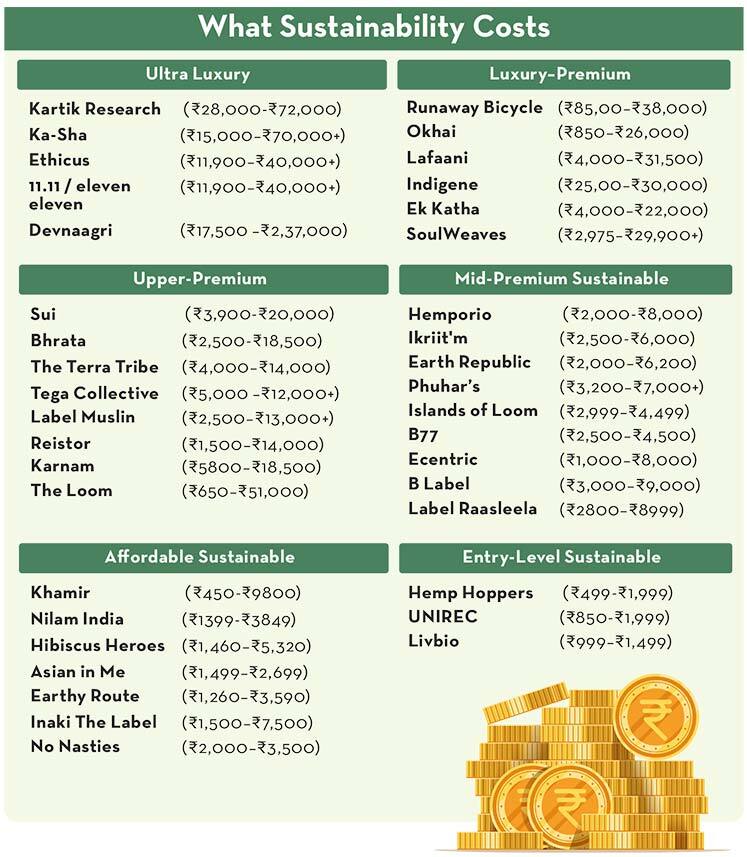
Apart from these established names, our survey also highlighted several emerging craft-led brands, including
The Loom, Okhai, Label Raasleela, Runaway Bicycle, Karnam, Sui, Devnaagri, Kartik Research, Nilam India and Khamir.
Together, these brands offer a wide range of products, including modern womenswear, ethnic and fusion styles, menswear, occasion wear, co-ords, loungewear and accessories.
It’s clear that craft is becoming a major force in sustainable fashion.