Control across fibre, yarn, fabric, processing and garmenting gives vertically integrated manufacturers greater traceability across the product lifecycle and greater control over sustainability at every stage of production, helping them mee
Business
-
-
"I expect T2T recycling and circularity to become much more important over the next five to 10 years, particularly as EPR requirements develop. We are already working with customers and suppliers on closed-loop projects where textile waste
-
A factor founders often underestimate is operational readiness. “Whether the brand actually has the team, the inventory discipline and the fulfilment capability that this channel demands is important to establish; otherwise an already thi
-
Success in a new category doesn’t look the same for every brand. For some, it’s simply a test of trust: will the consumer who already buys from them once take a chance on a second category too? Others, the ambition runs much bigger, aim
-
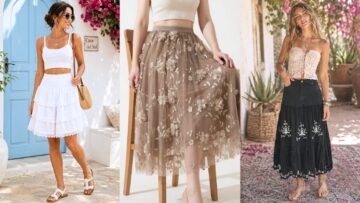
Jaipur-based Fashion Images Overseas and Kanhaiyalal Kalyanmal (KK House) have been supplying the Japanese market for decades, producing everything from lightweight shirts, blouses and dresses to skirts, trousers, jumpsuits and jackets. The
-
There’s no universal CAC benchmark in fashion, but there is a consistent framework underneath the disagreement: contribution margin (the money left from a sale after paying the variable costs of making and selling the product), average tr
-
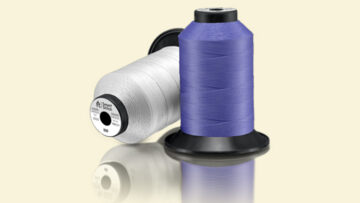
Coats® Ultimax™ 81 is a multi-ply, air-core polyester thread with a completely hair-free surface. The air-core filament locking mechanism uses turbulent air rather than twist, resulting in a thread that eliminates the fiber protrusions f
-
We spoke to Vinay Chatlani, Co-Founder & CEO, SOCH; Siddharth Bindra, Managing Director, BIBA; Ranganath Kuppur, CEO, Globus Fashion; Sidhant Keshwani, Founder & CEO. Libas: Gaurang Galiya, Founder & Director at Riyaasat Lifestyle Ltd.; and
-
"A channel-siloed view of KPIs would give us an incomplete, and at times misleading, picture ofwhat's actually driving the business," stated Arun AB, VP, Exclusive Brand Outlets, Libas.