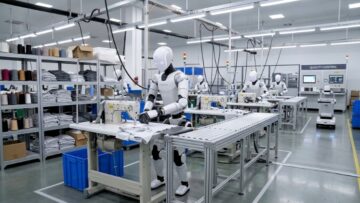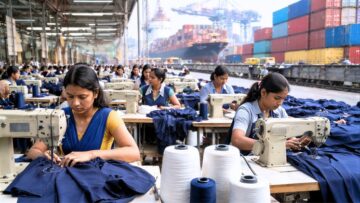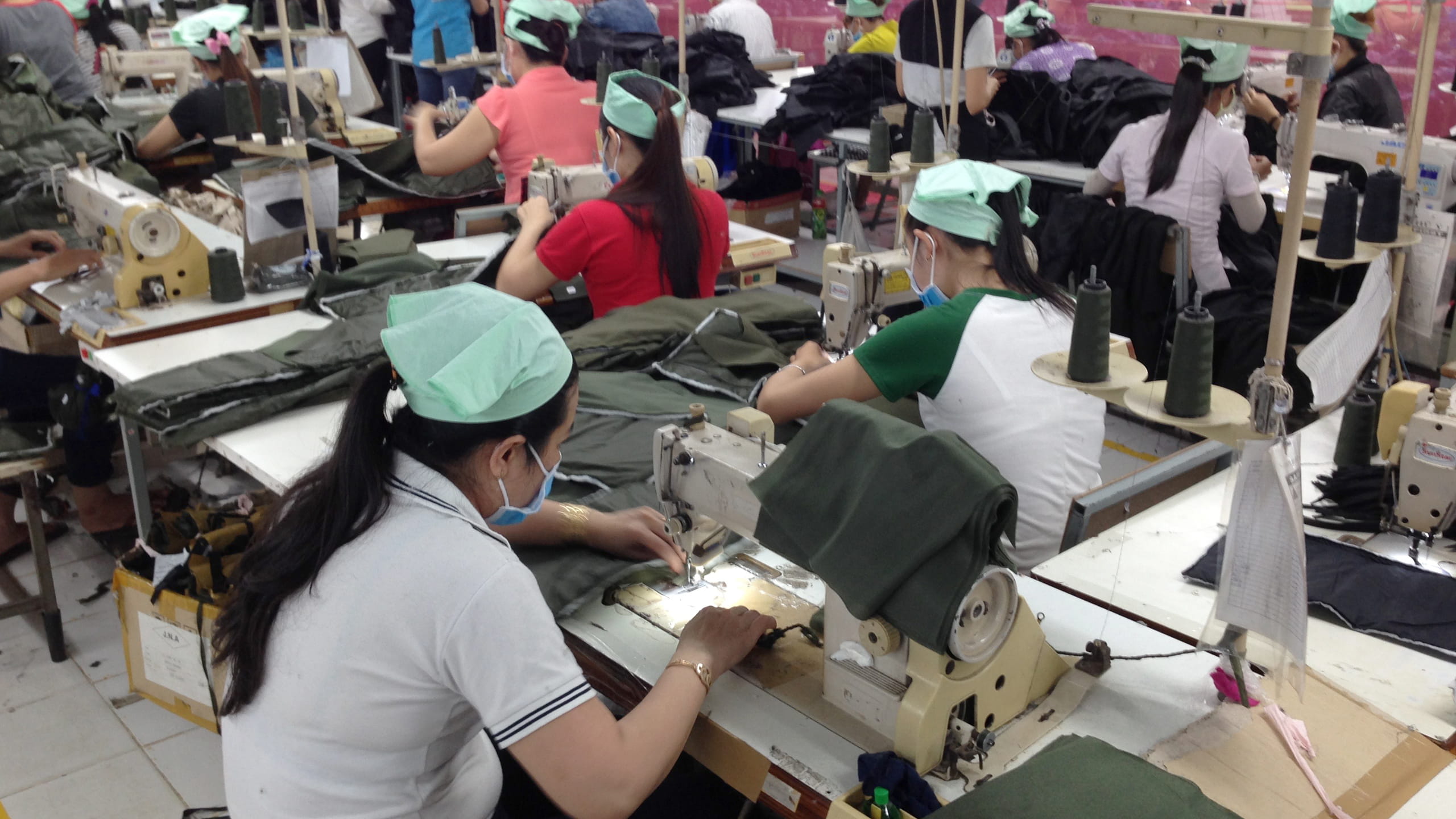
Robots pose a serious threat of eating up almost 85 per cent jobs in the garment, textile and footwear sectors in Vietnam and Cambodia, underlined a report of supply-chain analyst firm Verisk Maplecroft, which predicted that the rise of robot in manufacturing will not only results in job loss but an increase in slavery and labour abuses in supply chains.
As per its report, Vietnam will be the worst sufferer, where almost 36 million people are estimated to be replaced with robots.
“There has been a lot of discussion about the impact of robot automation on jobs but less on the resulting human rights abuses that are likely to follow,” reportedly underlined Dr Alex Channer, analyst at Verisk Maplecroft, adding, “We know that in a couple of decades, robot manufacturing will replace many low-skill jobs. Displaced workers without the skills or capacity to adapt will have to compete for a rapidly diminishing supply of low-paid work in potentially exploitative conditions. This will lead to increased risks of slavery and trafficking across a region already vulnerable to these kinds of abuses.”
It may be mentioned here that of late there has been a lot of discussions on the after effects of automation and robotics in the labour-intensive industries like readymade garment (RMG) and textiles, especially in Asia in which many countries like Bangladesh, China, India, Vietnman, etc, are providing large-scale employment in the RMG industry.
As per many experts, loss of jobs in such countries could lead to severe and adverse socio-economic repercussions for the concerned countries.
The first ‘sewbot’ factory in the US all set to start production this year, in which robots would be sewing garments sans any human operator. And as per experts, each sewbot machine could potentially do the work of 10 people.