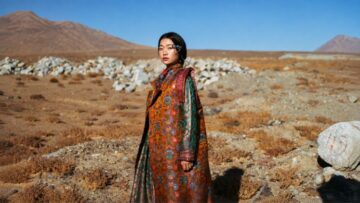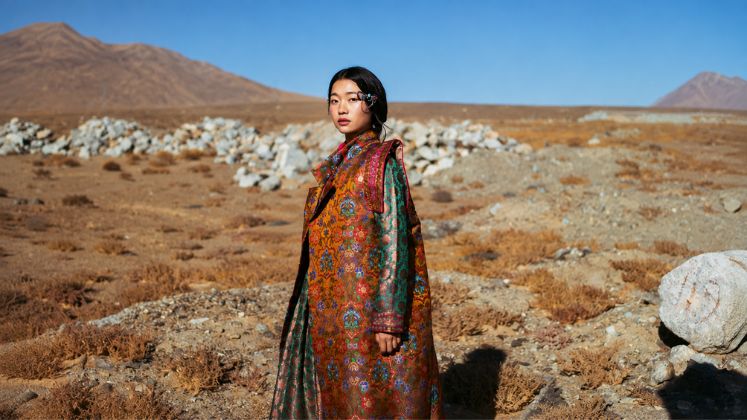
Ladakh’s fashion labels are proving that heritage craft can scale into contemporary luxury without losing its roots. A cluster of Leh-based designers, Namza Couture, 2112 Saldon and Jigmat Couture, are reworking indigenous fibres like khullu (yak wool), nambu (handspun sheep wool) and pashmina into everyday-wearable silhouettes, moving Ladakhi dress beyond its ceremonial, festival-only associations.
What sets this cluster apart is process. At Jigmat Couture, co-founder Jigmat Wangmo builds collections around the fabric itself by understanding its texture, fall and weave before deciding what garment it should become, reversing the usual sketch-first design method. All three labels run vertically integrated operations: buying raw wool directly from herders, training local weavers, and finishing garments in Leh workshops.
Namza’s Padma Yangchan splits time between Leh, Delhi and Varanasi, sourcing Banarasi brocade for bridal wear while her woollen weavers stay based in Ladakh. 2112 Saldon’s Padma Saldon works with Ajrakh block-printers in Gujarat and hand-spinners in Phyang village, treating each collaboration as a craft exchange rather than a sourcing transaction.
None of the three labels is chasing volume. Namza and Jigmat Couture each release a single collection a year; 2112 Saldon does the same, spending three winter months on research and prototyping before production begins. Jigmat Couture’s Zangla Queen line revived Zanskar’s thik-ma resist-dyeing technique; Namza’s Hor-Lam collection referenced the ancient trade route of the Hor people; Saldon’s Ajrakh Story paired Gujarat block-printing with motifs drawn from the traditional Ladakhi thab stove. Prices span a few thousand rupees for a scarf to lakhs for bridal couture, positioning these as aspirational rather than mass-market goods.
Ladakh’s labels offer a working model for regional craft economies elsewhere in India: vertically integrated production, single-origin fibre stories and founder-led design keep value and margin within the source region rather than exporting it as raw material.
As Indian luxury increasingly looks beyond Banarasi and Kanjivaram for its heritage narrative, Ladakhi wool and weave give brands a genuinely under-tapped textile vocabulary, backed by growing Bollywood visibility. For a market saturated with lehenga bridalwear, Namza’s positioning of the mogos as a bridal alternative also signals real headroom for regional silhouettes in India’s wedding economy.