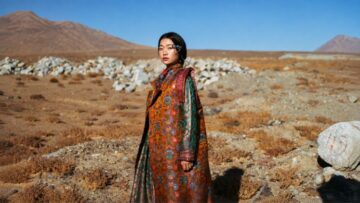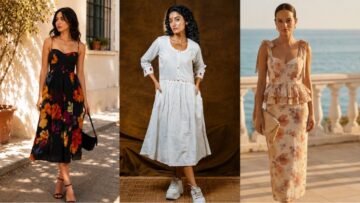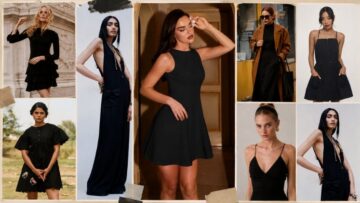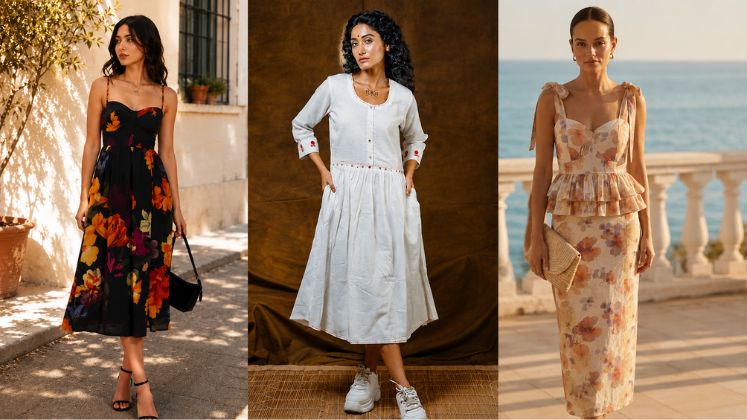
In 2026, midi skirts, kitten heels, capris and three-quarter sleeves are replacing maxis and minis as the silhouettes of choice, a shift the industry has termed “Goldilocksing,” after pieces that are neither too short nor too long, too flat nor too high.
The commercial logic is what makes Goldilocksing durable rather than seasonal. The balanced proportions keep the look seasonless and universally flattering; three-quarter sleeves elongate the arms, kitten heels add subtle lift, and midi skirts streamline the lower half. Retailers have moved fast: Reformation, Quince, Anthropologie and Cotton On have all built out midi and three-quarter-sleeve ranges around the trend, treating it as a wardrobe-investment category rather than a passing micro-trend.
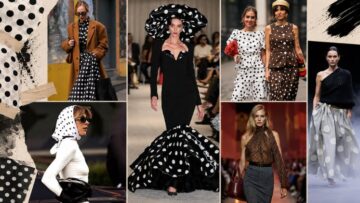
The trend has gained momentum through both celebrity dressing and the runway. Hailey Bieber and Kendall Jenner have embraced understated midi silhouettes, reinforcing their everyday appeal. On the Spring/Summer 2026 runways, Jacquemus championed coordinated midi skirt-and-bra-top sets, while Chloé presented romantic bohemian midi dresses in fluid silk, lace, chiffon, and earthy neutrals. Tory Burch focused on ruched jersey midis, sculptural draping, and modern drop-waist silhouettes, Miu Miu reimagined the style through preppy pleated skirts and pencil silhouettes with scholarly styling, and Dries Van Noten showcased printed midi dresses featuring artistic florals, rich colour palettes, and relaxed tailoring.
India didn’t need Goldilocksing to discover the midi, the domestic market has worked in “just right” lengths for decades, from the ankle-grazing anarkali to the calf-length kurta. But the trend gives that instinct new commercial framing. Global high-street players operating in India, including Mango, have built out dedicated midi-skirt ranges positioned for both office and occasion wear, while premium ethnic retail platforms have expanded midi-length silhouettes within Indian wear, signalling that the “neither-nor” length is being merchandised deliberately, not treated as incidental.
Brands that have midi collections are Indian labels that are embracing the midi silhouette through diverse design languages. Lovebirds and 431-88 by Shweta Kapur focus on clean, contemporary tailoring, while Abraham & Thakore and Pero reinterpret the style with artisanal textiles and craftsmanship. Aikeyah brings sculptural elegance to occasion wear, Satya Paul adds artistic prints and fluidity, and Madder Much offers handcrafted cotton midis for versatile everyday dressing.
The fit is natural for India’s modest-to-versatile dressing codes. A midi skirt or three-quarter kurta sleeve solves the same problem Indian shoppers have long dressed around coverage without bulk, formality without stiffness which is likely why the silhouette translates faster here than trends built on exposure or extremity. Kitten heels and low block heels, similarly, sit comfortably alongside India’s existing footwear vocabulary of low mojaris and kolhapuris, making the trend easy to adopt without a full wardrobe reset.
Goldilocksing is a useful signal for Indian buyers and merchandisers as it confirms that moderate-length, moderate-height pieces are becoming a deliberate retail category rather than a fallback choice. For D2C and bridge-to-luxury Indian labels already comfortable working in midi and three-quarter formats, this is a chance to position existing silhouettes as globally on-trend rather than regionally conservative, reframing modesty-driven design as a considered aesthetic choice rather than a constraint. Brands that can tell that story well stand to capture demand from both traditional Indian-wear shoppers and the growing base of Indian consumers dressing in global silhouettes.