Most fashion brands start at the drawing board with silhouettes, seasonal inspirations, or trend forecasts, but homegrown label The Forbidden Fruit approaches design through a distinctly cultural lens. Drawing inspiration from a feeling, a song, a cultural moment, a memory, or a state of mind, the brand creates products that are rooted in the experiences shaping contemporary youth culture today.
Rather than responding to trends, the brand builds narratives around the experiences, sentiments, influences, and communities that define a generation, positioning culture (not solely fashion), as the starting point of its creative process.
This refreshing perspective arrives at a time when one of the most significant shifts occurring within the fashion industry is the movement from ownership to identity.
Previous generations purchased products as markers of status and success, but today’s consumers are increasingly opting for brands that reflect their values, interests, creative influences, and sense of belonging. In this context, what they listen to, what they believe in, and the communities they participate in, have become just as important as what they wear.
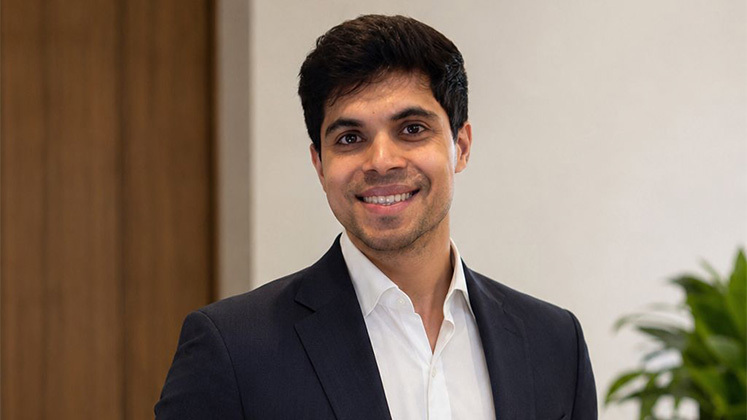
| India has one of the world’s youngest populations and one of the fastest-growing creator ecosystems. The opportunity lies in creating brands that sit at the centre of these cultural networks. Vijay Manek, Co-founder, The Forbidden Fruit |
Founded in 2022 by Vijay Manek and Medha Bandyopadhyay, The Forbidden Fruit emerged from the founders’ combined expertise across branding, marketing, design, technology, and consumer behaviour. Their shared vision extends beyond building a fashion label to create a culture-first platform where fashion serves as a catalyst for community, connection, and self-expression.
“We realised that while fashion often reflects identity, music often shapes it. The brands we admired most weren’t simply selling products; they were creating communities, conversations, and cultural participation.” the founders told Apparel Online India in an exclusive interview. “We see ourselves less as a clothing brand and more as a cultural platform expressed through fashion.”
This belief continues to define The Forbidden Fruit’s differentiator within an increasingly crowded market. Rather than positioning itself solely as a fashion apparel brand, it operates at the intersection of fashion, music, and contemporary culture, creating a sense of belonging that resonates far beyond the product itself.
PRODUCT ASSORTMENT, PRICING AND TARGET MARKET
The Forbidden Fruit’s product offering spans oversized T-shirts, co-ord sets, statement shirts, shorts, half and full-sleeve shirts, straight-fit trousers, hoodies, and sweatpants, with prices ranging from Rs. 1,600 to Rs. 4,299.
Designed around contemporary streetwear sensibilities, the collections combine premium high-GSM fabrics, contemporary silhouettes, graphic storytelling, and detailed construction to create pieces that balance comfort, individuality, and everyday wearability. Rather than chasing fast-moving trends, the brand focuses on building a cohesive cultural wardrobe for a generation shaped by music, fashion, art, and community.
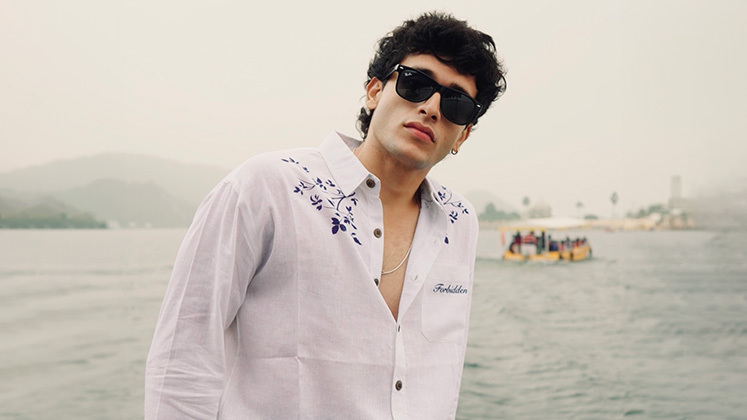
Primarily catering to consumers between the ages of 25 and 34, the brand speaks to a generation deeply immersed in music, sneakers, streetwear, design, and contemporary creative culture. These consumers are predominantly based across India’s metro and Tier I and II cities, and their shopping preferences reflect more than just well made products, placing equal importance on authenticity, individuality, and cultural relevance. For these consumers, fashion serves as an extension of their personal identitymaking community, shared interests, and cultural alignment key drivers of their purchasing decisions.
“We felt there was a significant gap between mass-market fashion and luxury fashion. Many brands were selling products but very few were building emotional worlds.” Medha explained. “Indian youth today are deeply connected to music, internet culture, nightlife, creativity, and selfexpression, yet, fashion often continues speaking to them through generic trends. We saw an opportunity to build a brand rooted in culture rather than category- the whitespace was never oversized t-shirts or streetwear, the whitespace was belonging.”
MATERIALS, MANUFACTURING & SOURCING
The brand operates with a lean team of six, comprising co-founders Vijay and Medha, alongside a warehouse operations manager, two designers, and a dedicated content creator. Its warehouse and fulfillment operations are based in Pune, while manufacturing is outsourced through a network of specialist partners across Mumbai, Tiruppur, and Ludhiana, allowing the brand to leverage regional expertise across different product categories and techniques. In terms of materials, the brand works with a diverse range of fabrics including terry cotton, cotton spandex, twill Armani, linen viscose, cotton linen, cotton bamboo, and linen Tencel.
Reflecting its culture-first philosophy, The Forbidden Fruit places significant importance on craftsmanship and surface exploration. Design elements such as hand-printing, patchwork, layered construction, and rich textural detailing are integrated throughout its collections, creating garments that feel expressive, immersive, and emotionally connected to the cultural narratives that inspire them.
COLLECTION & RANGE PLANNING
The Forbidden Fruit currently offers a portfolio of 208 unique active SKUs across its product range and drops 4 collections every year with smaller drops every 1-2 months. All their collections are inspired by music., but they take into account the seasonality for all their drops.
“We create a small batch of our designs to maintain exclusivity that feature not more than 120-150 pieces in the first batch and restock if the design is doing well and there’s a demand for more in order to avoid deadstock or sell products on mass discount. In stores, we replenish bi-weekly and add new designs when we launch a collection.” Vijay explained.
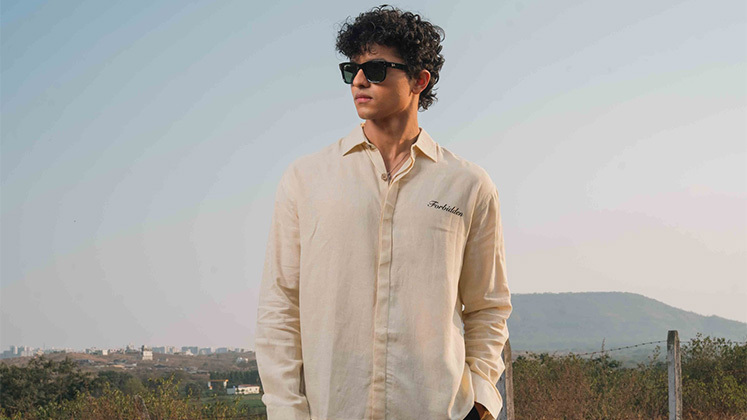
With over 10,000 consumers wearing the brand, TFF has steadily built a growing community across India and is available through select offline stores in Hyderabad, Bangalore, Delhi, and Pune, and Mumbai, alongside its official website, that attracts both domestic and international customers.
As part of the brand’s next phase of growth, they are actively exploring opportunities to strengthen their retail presence in major cultural and fashion-forward markets, with a major focus on cities that demonstrate strong engagement with music, creativity, nightlife, and contemporary youth culture.
Commenting on the same, Medha said, “While our current focus remains India, we are seeing increasing demand from international customers and view global expansion as a natural longterm opportunity. Our ambition is not simply to become a larger fashion brand, but to become one of the most culturally relevant youth brands to emerge from India that exports culture as much as it exports products.”
To which Vijay added, “We will continue strengthening our presence across key Indian cities while exploring new categories, collaborations, experiences, and community-led initiatives, because ultimately, we believe that the strongest brands are not remembered for what they soldthey are remembered for how they made people feel.”
The intersection of fashion, music, and community represents one of the most underexplored opportunities within India’s evolving fashion landscape. While many brands continue to operate within conventional retail frameworks, some of the world’s most established brands and labels have been built around cultural movements, shared identities, and creative communities rather than products alone. This cultural intersection presents a significant white space.
With one of the world’s youngest populations and a rapidly expanding creator economy, India offers fertile ground for brands that can provide platforms that foster participation, connection, and a sense of belonging but converging music, art, fashion, and youth culture. The opportunity lies in creating brands that sit at the centre of these cultural networks.
| AO: How do you separate long-term trends from shortterm experiments?
TFF: At TFF, we view fashion as a balance between consistency and exploration. Some products are designed to build the foundation of the brand, while others are designed to push creative boundaries. We closely track repeat purchases, customer feedback, category performance, and how frequently certain silhouettes are adopted into our customers’ everyday wardrobes. Pieces such as oversized tees, relaxed shirts, coordinated sets, and elevated essentials have become core pillars because they consistently resonate across collections and seasons. Experimentation, on the other hand, is where culture enters the conversation. This could be through music-inspired graphics, limited capsules, new fabric developments, artistic collaborations, or category extensions. AO: What has multi-brand retail taught you that differs from D2C? TFF: Multi-brand retail works very differently. Consumers encounter the brand alongside dozens of others, often with no prior awareness. In that environment, the product has to communicate instantly- the fabric, fit, silhouette, colour, and design details have to earn attention within seconds. Retail has taught us the importance of tactile experience. Customers frequently discover aspects of the brand that are difficult to communicate digitally, such as the weight of a fabric, the quality of construction and the overall feel of the product. At the same time, D2C provides richer insights into storytelling, community building, and customer behaviour. |