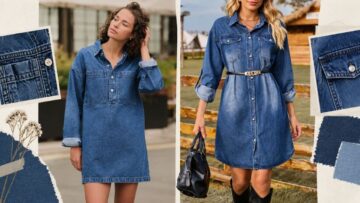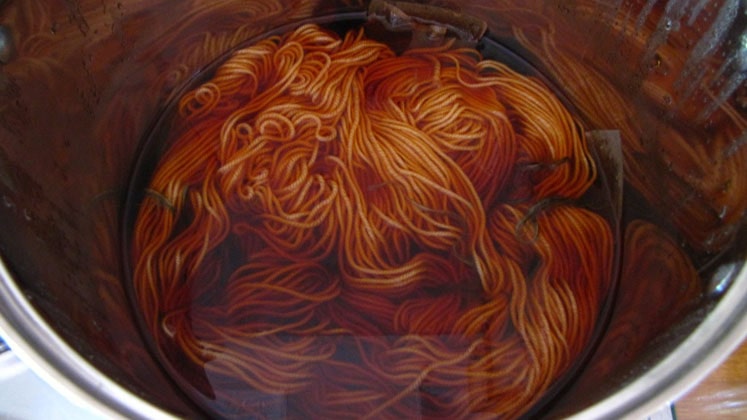
Fashion companies are using natural resources like mushrooms, lichen, algae, plants, and even herbal tisanes like Rooibos to dye fabric in an effort to make apparel in a more sustainable way.
Numerous global manufacturers have included Rooibos colours and dyes into their most recent collections.
The SA Rooibos Council (SARC) spokesman, Adele du Toit, calls it “amazing” to see how Rooibos is being used to colour everything from shawls, scarves, T-shirts, hoodies, dresses and pants.
“Colouring garments using non-toxic, biodegradable and eco-friendly natural dyes like Rooibos could significantly reduce the textile industry’s carbon footprint,” she added.
She claims that the fast fashion movement, which involves mass stores making cheap apparel quickly in response to the newest craze, is detrimental for the environment.
Rooibos has gained popularity as a natural wool, cotton, and textile dye. It even has its own Pantone colour code, a globally utilised method for matching hues that helps designers and printers specify and manage colours for printing.
Asics sportswear, a well-known company, debuted its Rooibos-dyed Asics Gel Lyte III sneaker in April as part of its new colorway collection. It is constructed from repurposed textiles and tea-dyed panels.
Quiksilver, a competitor surf and sports company, unveiled their utility snow jacket in Rooibos Red, while O’Neill unveiled its insulating jacket in Rooibos colour.
Pangaia’s new capsule collection has been carefully dyed using food waste as part of its continued attempts to create sustainable dye solutions, with an emphasis on ingredients like Matcha, Rooibos, and Blueberry.
According to Du Toit, the process of post-harvest fermentation (oxidation), which is triggered by the plant’s inherent enzymes, results in the development of Rooibos’ vivid amber hue.