The growth of the knitwear sector in general, and sweater as a product category, is largely due to the increase in the yarn production capacity – especially cotton and acrylic – over the years. “The core strength of the knitwear sector is its strong backward linkage industry that supplies almost all the required yarns and fabrics except a few varieties and qualities,” states former BKMEA President Fazlul Hoque, adding that the improvement has been possible due to the integrated growth of spinning units.
As per Bangladesh Textile Mills Association (BTMA), there are currently around 413 yarn manufacturing mills that spin 2,250 million kilograms of yarn annually, 792 fabric manufacturing units with 2,810 million metres capacity and 240 dyeing units having fabric processing capacity of 2,720 million metres, annually. To encourage further development, the Government also provides cash incentive for using local raw materials, ensuring flourishing of the backward linkage industry more so for the knitwear sector. However, despite increased self-sufficiency in basic yarns, fancy yarns still remain a weak link.
 “We have developed a lot of suppliers domestically but some expensive and performance-driven yarns still have to be sourced from China,” underlines Milan Kanti Barua, Director, Azim Group, a company that loves experimenting with different blends, including spandex. Same is the case for Raozan Sweaters, which also banks upon China for viscose, mélange viscose and other blended yarns. The consensus remains that for specialised and fancy yarns, China is still the favoured sourcing destination.
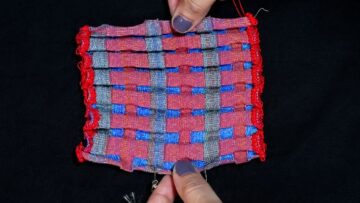
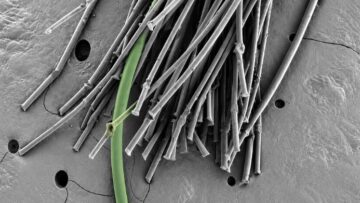
 Spinners and knitters are relentlessly innovating new yarn blends, colours, textures and performance properties like water and stain repellent yarns using nanotechnology, the engineering of functional systems at the molecular level is expected to further foster brand new blends of high-performance and multifunctional textiles.There already is a very high demand for functional yarns in the international market leading to inventions like Naturetex Plasma (Plasma delivers fibres with the same strength and the same or better pilling performance as conventionally processed yarns, along with improved ability to absorb moisture), H2DRY (This process gives wool new performance, making it elastic, easy to care for, anti-creasing and breathable), AFC Night Glowing Yarn (Night Glowing Yarn is a luminous yarn that automatically glows in the dark after absorbing light for 10 minutes), Colour-Changing Yarn (Thermochromic yarn changes its colour with the rise and decline of the temperature. This kind of colour variation uses the difference of temperature to control the change of colour), offering sweater manufacturers newer avenues of value-additions and growth.