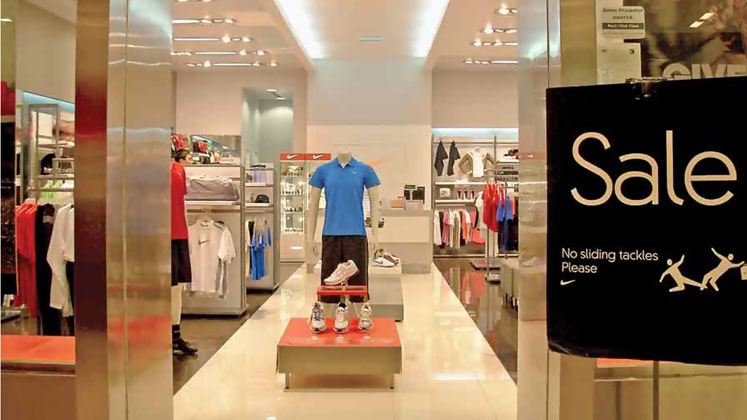
As the grim economy changed the purchasing habits of the pressured middle class, the apparel industry has been hit hard at all levels, from manufacturers, buyers to retailers. The only segment that has flourished is the discount retailers with almost all discounters registering profits during the slowdown. Responding, many other retailers have also taken a ‘discounter’ route, trying to pass through a very competitive environment to attract customers and ease off their inventories, as the economy continues to falter…
The thumb rule in the last few years has been that the more the economy has sputtered; the better has been the performance of retailers having sales and discounts. With most of the international brands such as French Connection, FCUK, Regal, Guess, Puma, Fila along with other domestic apparel retailers in UK and US announcing their end of season’s sale almost three weeks in advance, the consumers have returned to the outlets to shop. Nearly three-quarters of stores on high street had sales or promotional advertisements in their shop windows as an attempt to lure the passing crowd to enter the stores. Though retailers are not very pleased to sell their stocks at such high discount rates but, the early sales and discounts are helping them get relief from the high inventories they have accumulated.

A research conducted by PwC, showcased that discount figures this year for retailers in UK’s high streets were around 73 per cent, up from 70 per cent last year. It was around 40 per cent in year 2009. Not only the discounts, but promotional and marketing activities of the retailers have increased as well, the average price discounts being advertised this year are about 47 per cent, up from the 45 per cent efforts of 2010 and 2011. Slashing down the prices of apparel also became a necessity for the brick-n-mortar stores, as along with the competition from the neighbours, the boom in the e-retailing added to their woes.
In recent times, with most of the best domestic and international brands available on various e-platforms at discounted rates and special offers, consumers have turned to e-shopping as a convenient option, than stepping out of their homes to make purchases. And so, the retailers are hoping to cash in on the consumer response they are getting due to early sales. Shops are also being forced to “savagely” cut prices of unsold summer stock to cash in something from them before the season ends, and to avoid a crash when new autumn-winter ranges come in. Nine out of ten clothing chains were on ‘sale’ last month, offering average discounts of 55 per cent, the highest ever price cuts for July.
A steady stream of weak economic reports, stubbornly high unemployment and a volatile stock market has hurt the shoppers’ morale to an extent that they are on a wait and watch mode. In such circumstances, heavy discounting and promotions at department stores has helped pull in cash-strapped consumers and push up the retail sales. The retail volumes increased 1.4 per cent in May, following a revised drop of 2.4 per cent in April. With the increase in the retail volumes, the prices have further plummeted as discount chains such as Matalan and Primark and supermarkets including Tesco force similar cuts from competitors.
In the early discount season Macy’s reported a 1.2 per cent increase in sales, below expectations of 1.9 per cent and Target’s 2.1 per cent gain came in just below analysts’ projections. Mid-tier department store chain Kohl’s Corp reported a 4.2 per cent decline, as overly cautious inventory management led to a merchandise shortage and the retailer failed to capitalize on sales declines at competitor JCPenney. Still, Macy’s, Target and Kohl’s maintained their quarterly profit outlooks.
The retail outlets with discounts have managed to keep themselves occupied. The previous year saw the impact of markdown sales in retail figures, where full price retail sales suffered about US $ 370 million dollars, discounted labels figures were up about US $ 279.5 million dollars. Remarkably, shoppers who switched from full price to discounted clothes increased spending from US $ 28 million dollars in February 2011 to US $ 362 million in August 2011.
What to manufacture…
The low consumer response is not only affecting the retailers, but the manufacturers as well. In recent past, when the customers stopped responding to the traditional sales seasons and offers, retailers cut down on inventories or stock days, or the average number of days, the product remained on the shelves before being sold by 15-20 per cent to free the capital investment. Besides this, to reduce their inventory levels, they became more cautious about placing new orders, having a direct effect on the manufacturers.
The shift in shopper perceptions of value has helped the demand for budget goods and further desire for premium brands at a discount prices. Whilst consumers sought value in their purchases, the desire to own a style with added value has not faded away. And so, commercial pieces with some style element and added value are the few pieces that are still being picked up by the buyers and the consumers. Also working well are the layered garments that gives the consumers satisfaction to possess more than they bargained for. The best way to make it through right now is to keep in mind, two things while manufacturing clothes, to keep it cheap and trendy.