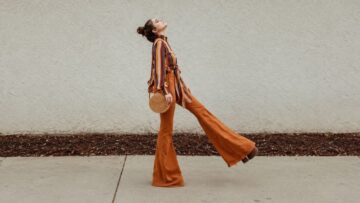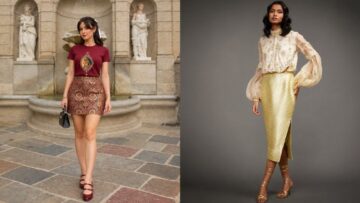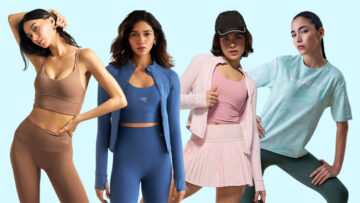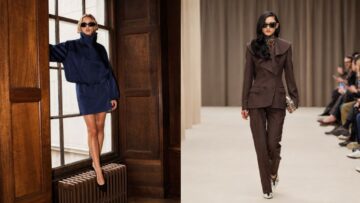
The iconic capri pants from the late 1990s and early 2000s have steadily re-entered the fashion conversation over the past several seasons with what began as a nostalgia led revival evolving into a broader movement centred around proportion, versatility, and the growing consumer appetite for alternative silhouettes.
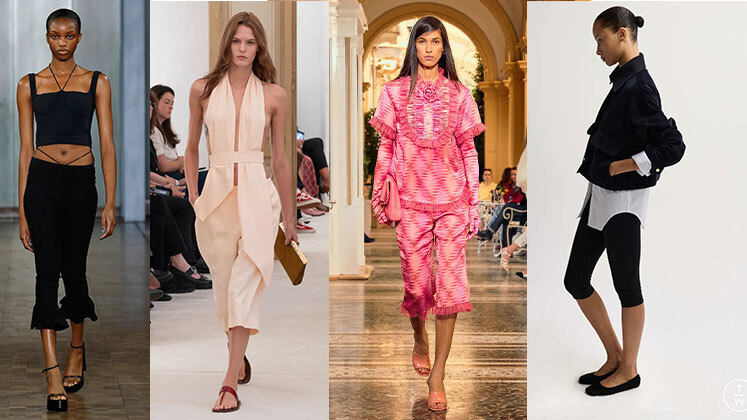
In 2026, the category is no longer defined by a single shape. Instead, capris are developing across two distinct yet complementary directions: sleek, body-contouring styles inspired by leggings and activewear, alongside softer, more voluminous interpretations that prioritise movement and ease. This reflects a wider shift within the industry, where drape, fluidity, shape, and styling flexibility are increasingly influencing purchasing decisions.
As per data shared by Heuritech, Capri Leggings witnessed a +126% increase in visibility among women in the EU and a +70% increase in the US during April compared to the previous year. The silhouette is forecasted to grow by a further +41% in the EU and +30% in the US over the next 12 months. For brands and designers looking to ace the trend, the most compelling opportunity lies in expanding beyond the traditional fitted interpretation of the silhouette. While streamlined black capris continue to resonate as a modern wardrobe essential, emerging runway and streetstyle influences point towards fuller silhouettes, sculptural shapes, gathered hems, and cropped volumes that introduce a more fashion forward perspective.
Material innovation is also critical with stretch performance fabrics and technical jerseys offering an athleisureled approach, while crisp poplins, lightweight tailoring fabrics, fluid crepes, and washed cottons elevate the silhouette into contemporary ready-to-wear. The cropped length provides a versatile foundation for experimentation, allowing brands to play with proportion without dramatically altering wearability.
To successfully capitalise on the trend, collection planning should focus on offering multiple silhouette options rather than a single hero style. Pairing fitted capris with oversized shirting, sculptural outerwear, or relaxed tailoring creates a balanced silhouette, while volume-driven versions work particularly well with compact tops and streamlined layers. With consumers actively seeking alternatives to both denim and traditional trousers, capri pants are emerging as a strategic category capable of delivering freshness, versatility, and commercial longevity across a range of product segments.