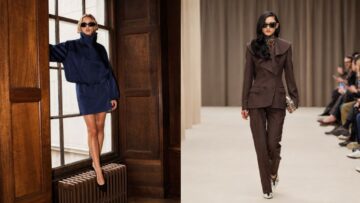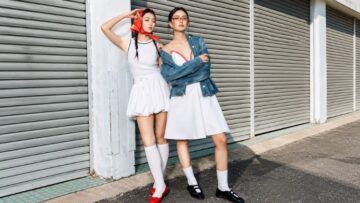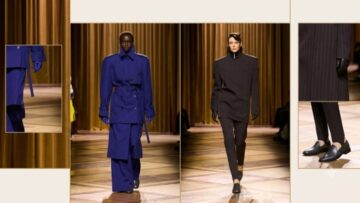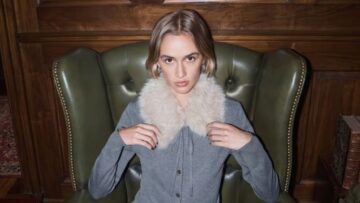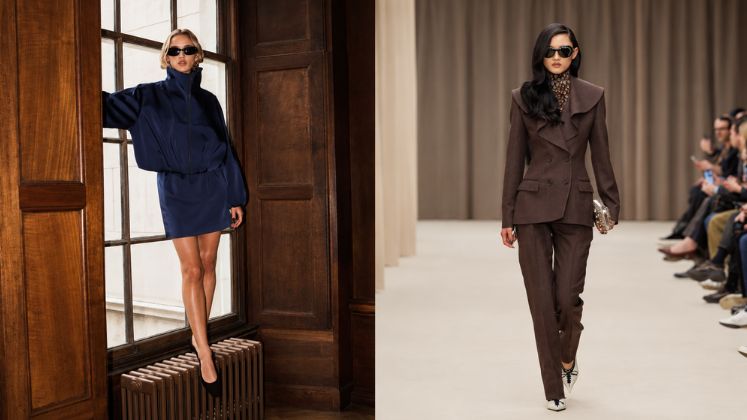
Coordinated separates are having a moment this season, offering a shortcut to polish without sacrificing versatility. From Chanel’s tweed-suit legacy to Madewell’s easy knit sets, the matching pair has moved from occasion-wear to everyday staple, reflecting a broader shift toward considered, mix-and-match dressing.
On the runway, the trend has been building for several seasons. Proenza Schouler and Victoria Beckham have both leaned into tonal separates, like cropped jackets paired with matching trousers or skirts, signalling that coordinated dressing now reads as modern rather than formal. Stella McCartney’s tailored two-piece sets have similarly reinforced the idea that a matching outfit can feel relaxed when cut in fluid, unstructured silhouettes. Meanwhile, sportswear-inflected labels like Sporty & Rich have popularised the matching tracksuit as a lifestyle uniform, extending the trend beyond formalwear into loungewear and street style.
Indian retail and D2C players are mirroring this shift, each carving a distinct niche within the format. Biba has built out a dedicated co-ord vertical spanning printed fusion sets, embroidered party-wear pairings, and relaxed cotton silhouettes with bold geometric prints and abstract patterns on relaxed fusion cuts have given the format a fashion-forward quality that works across casual and semi-formal occasions without any restyling, while structured embroidered tops paired with coordinating pants have started replacing heavily embellished salwar suits at evening functions among younger shoppers. Suta has taken a softer, everyday approach with its Rozana line, a breezy collection of lightweight cotton kurta sets crafted for day-long comfort, positioned as wardrobe staples rather than occasion pieces. Label DC has scaled its offering considerably, with an edit of over 115 co-ord styles spanning indo-western, kaftan, and dhoti-set silhouettes designed for the modern Indian woman who wants polish without the styling struggle.
The format is also gaining ground in menswear. Jimmy Luxury has folded co-ord sets into its denim and cargo-led offering, pitching them as the go-to choice for casual outings, vacations, airport dressing, and weekend brunches; a clean, low-effort look paired easily with sneakers or loafers. Freakins, a denim-first D2C label targeting millennial and Gen Z shoppers, has similarly folded co-ord sets into a portfolio built around jeans, jackets, and shorts, blending contemporary silhouettes with everyday wearability.
Traditional Indian labels like Ritu Kumar and Anita Dongre continue to anchor the trend in festive dressing through matching sets in traditional textiles but the shift underway is the format’s migration into western silhouettes, workwear, and daily rotation, with brands using a single print or fabric story across a jacket, trouser, and skirt to extend cost-per-wear appeal.
For Indian brands and retailers, matching sets present a low-friction entry point into capsule-wardrobe merchandising; a concept that resonates with urban consumers balancing work and festive dressing needs. As co-ord sets straddle both western and ethnic categories, they give manufacturers an efficient way to extend a single print or fabric story across multiple SKUs, improving margins on production runs while offering consumers styling flexibility. With Biba deepening its ethnic-fusion play, D2C labels like Suta and Label DC scaling volume in womenswear, and Jimmy Luxury and Freakins pushing the format into menswear, the co-ord set looks set to expand further into occasion-wear-meets-daywear categories ahead of the festive and wedding season.