The proposed National Textile Policy in India, which is likely to come into force in April, is expected to benefit the state of West Bengal as special incentives are likely to be announced for the eastern states.
“We expect to place the new policy in the Budget session (of the Parliament), and it will be a long-term policy for 10 years,” Minister of State for Textiles Santosh Kumar Gangwar said at the National Jute Board event in Kolkata. The Centre is expected to provide special incentives for the manufacturing units that are to be set up in the Northeast, Bihar, Jharkhand and West Bengal, officials have said.
The textile industry employs 35 million people, and aims to double the number by 2022. The government expects that with this new policy exports will also increase to over $300 billion annually over the next decade
The government is focusing on training youths in different skills to meet this target.
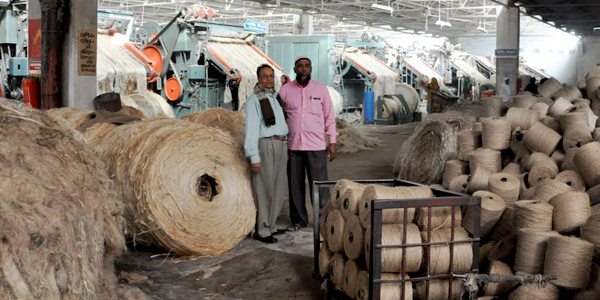
Speaking on the need for jute diversification, Gangwar said it is possible in several product lines at launch of three Common Facility centres for jute at National Jute Manufactures Corporation mills at Howrah, Alaxendra and Kinnison at a cost of Rs 6.40 crore and provide direct employment to over 5,000 people.
Gangwar also said that two more centres will come up at Jalpaiguri and Sunderbans, with an investment of Rs 2 crore being sanctioned for each centre. With one each at Assam and Bihar, the total jute CFCs count will be seven.
Gangwar also launched a new Jute Raw Material Bank (JRMB) Scheme, under which each JRMB will be supported by over Rs 15 lakhs annually to help provide jute raw materials at reasonable price and in required quantity to the artisans, crafts person and weavers.
“At these new skilling centres and CFC centres, our collective effort will be to return jute to its rightful place as a glory of the state. We will implement reforms and policy measures to put jute production back on the map,” said Jute Commissioner Subrata Gupta.