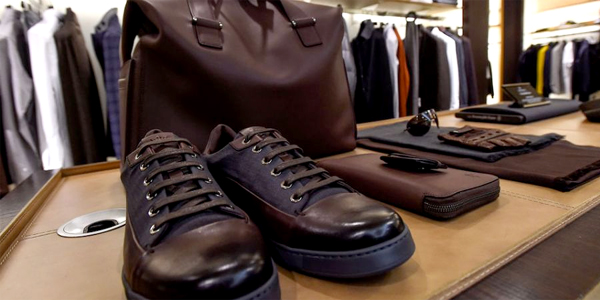
The textile and leather sector have reason to cheer, after the government recently revised the cash incentive scheme for the current fiscal 2015-2016, raising the rate of incentive for textile products and leather goods exported to the Eurozone area from the existing 4 per cent to 6 per cent and 12.50 per cent to 15 per cent respectively.
Also Read – EU delegation satisfied with RMG sector reforms, stresses on labour rights
Bangladesh Bank recently issued a number of circulars in this regard. According to one of these circulars, the government has reportedly increased the rate of cash incentive for textile products exported to eurozone from the existing four to six per cent, which further underlined that exporters who have already received the cash incentive at the existing rate will also be allowed for additional benefit, for which they will have to apply within 30 days of issuance of the circular.
It may be mentioned here that the sector gets the cash incentive as an alternative to the duty bonds and duty drawbacks facility.
Also Read – EU-Bangladesh council to boost bilateral trade: Tofail Ahmed
It may be mentioned here that EU is one of Bangladesh’s main trading partner, accounting for around 12 per cent of Bangladesh’s total trade. In 2012, Bangladesh was EU’s 35th largest trading partner in goods. EU-imports from Bangladesh are dominated by clothing, accounting for around 90 per cent of EU’s total imports from Bangladesh.
From 2008 to 2012, EU imports from Bangladesh increased from €5,464 million to €9,212 million (+69 per cent), which is more than half of Bangladesh’s total exports.
As a Least Developed Country (LDC), Bangladesh benefits from the most favourable regime available under EU’s Generalized Scheme of Preferences (GSP), namely the Everything but Arms (EBA) arrangement. EBA grants the 48 Least Developed Countries – including Bangladesh – duty free quota, free access to the EU for exports of all products, except arms and ammunition.