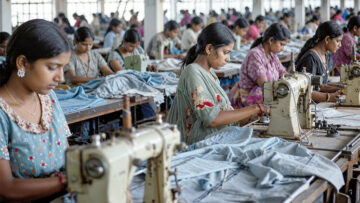
Orders from the United States and Europe for apparel manufacturers in Tirupur declined by 15% in March compared with the same period last year, as buyers in these markets struggled to clear existing inventory amid subdued consumer demand and persistent inflationary concerns, according to industry executives.
At the same time, demand from West Asia has come to a halt following the outbreak of the Iran conflict, further exacerbating pressures on India’s leading textile export hub. The conflict has disrupted a critical maritime trade corridor, leading to a sharp increase in oil prices, freight rates, and insurance premiums, thereby fuelling global inflation.
Although a recently announced two-week ceasefire between the United States and Iran, along with Tehran’s decision to reopen the Strait of Hormuz, may offer some temporary relief, exporters remain uncertain about the durability of these measures and the timeline for trade flows to normalise.
This downturn comes at a time when manufacturers are already grappling with rising input costs. KM Subramanian, President of the Tiruppur Exporters Association, stated that raw material costs had risen by approximately 15%, while buyers remained unwilling to absorb higher prices due to concerns over potential fuel and energy shortages in their domestic markets, which could dampen consumer spending on apparel.
He further noted that buyers from the United States and Europe were not only holding back on new orders but were also reluctant to take delivery of garments under existing contracts. According to him, buyers were aggressively negotiating to lower prices, while demand from Gulf countries had effectively come to a standstill due to the ongoing conflict.
Mohan Ramaswamy, Founder and Chief Executive of Rubix Data Science, observed that textile hubs such as Tiruppur were witnessing order deferments and escalating logistics costs, as buyers in the Gulf region adopted a more cautious stance in response to geopolitical uncertainties.





 Bharat Tex Special Report 2026