Among the different textile manufacturing processes, wet processing, which includes dyeing, printing and finishing – gives value addition to the product. Wet processing is a chemical intensive process and uses variety of chemicals from simple substances to complex auxiliaries, many of which are hazardous to human beings and the environment. There are chances of existence of residual chemicals on the finished textiles after wet processing that have been proven to cause cancer, allergies, genetic disorders, etc. Responding to the need to manage chemical use in a controlled way, many regulations have been enacted, and SGS is looking to support the textile and leather industry, including the entire supply chain in this area, through implementation of Chemical Management System (CMS) in the factory. Dr. K A Vijayakumar, Manager – Sustainability – Consumer and Retail, SGS India underlines the importance of CMS and route to successful implementation.

The background…
To safeguard the consumer and the environment from hazardous chemicals emitted/discharged from finished products in textiles regulations like “REACH – Registration, Evaluation, Authorisation and restriction of CHemicals (EC 1907/2006)”, have been put in place. Also, many of the brands have restricted the presence of hazardous chemicals on their products by implementing Restricted Substances List (RSL). Reports by Greenpeace – The Dirty Laundry and Dirty Laundry Reloaded, highlight the role played by textiles and apparel industry in causing water pollution. The NGO has also initiated a campaign called Detox, which is supported by many brands.
SGS has developed a copyrighted 4C model, which is a practical tool that suppliers in the apparel industry can use to implement a chemical management system. The 4C model has four sections: Commitment; Competence; Critical Point Control; and Comprehensive System. The establishment of comprehensive system is the top tier of 4C model.
In November 2011, a group of six major apparel and footwear brands and retailers decided to take up the challenge and issued the “Joint Roadmap towards Zero Discharge of Hazardous Chemicals”, a commitment and roadmap aiming at reducing the environmental impact of the textile industry, based on a list of 11 priority chemical groups to be phased out by 2020. In June 2014, The ZDHC Joint Roadmap Group has published the “Manufacturers Restricted Substance List (MRSL)”, a document that identifies the chemical substances banned from intentional use in facilities that process textile materials in apparel and footwear. With so much focus on the topic, it has now become a mandatory requirement for the manufacturers to avoid the usage of hazardous chemicals during production. This can be successfully implemented by introducing Chemical Management System (CMS) in the factory.
Advantages of CMS…
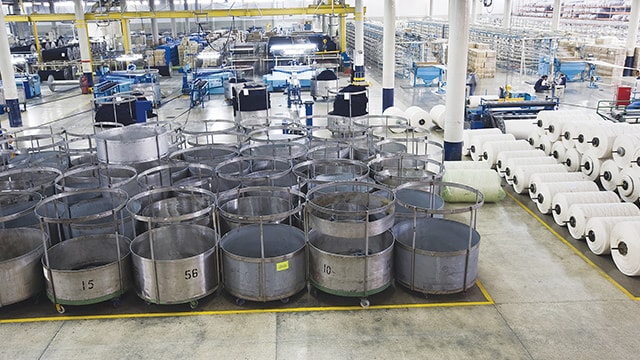
Poor management of chemicals in the manufacturing unit may end up with accidents, property damage and environmental pollution. Implementation of CMS will help the industry to avoid excessive/replicative purchase of chemicals, introduce cost savings, through more effective work practices such as correct storage, handling, use and disposal procedures. Managing chemicals will also help the industry to identify the hazardous chemicals easily from their chemical inventory and reduce chemical loading on to the Effluent Treatment Plant or ETP. Reducing duplication and optimizing exact dosage of use, choosing chemicals with lower inherent COD (Chemical Oxygen Demand) and BOD (Bio-chemical Oxygen Demand) values and reducing non-productive outputs that ‘go down the drain’ can ensure lower loads on ETP and thereby manageable effluent treatment costs.
Continuous improvement is an important element of any comprehensive programme and a comprehensive chemical management system can improve efficiency and reduce the error rate regarding hazardous chemicals. The company can refer to, or adopt, various international standards, codes of conduct, and industrial best practices to improve and perfect their system.
Chemical Management is important for the industry to understand input chemicals so as to meet the stringent requirements of effluent, air and sludge discharges outlined in the License to Operate. Following all regulations through Chemical Management provides a competitive advantage over peers, as buyers want to deal with facilities that can conform to their Chemical Restriction requirements and who comply with all regulatory norms.
Execution of CMS…
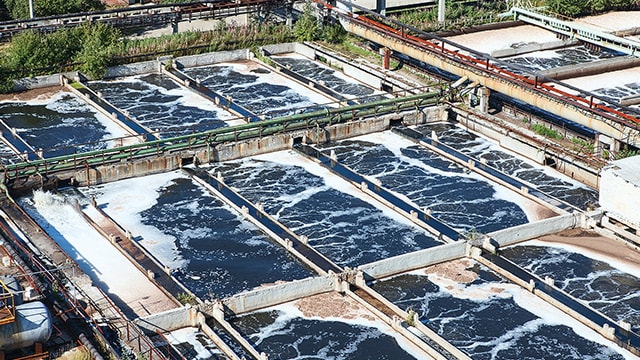
Even before starting a chemical management system, it is critical that the factory management makes a commitment for the implementation by reviewing procurement and supplier practices, identification and documentation of chemicals and assess the regulatory compliance requirements for chemicals used and discharged from the factory. One of the key elements of CMS is the Chemical Management Team, members of which need to belong to various departments in the factory – The Environmental, Health and Safety (EHS) Department, The Effluent Treatment Plant or (ETP) Department, The Purchasing Department, The Product Quality Department and The Operations or Production Department.
Small- and medium sized companies across the apparel supply chain still lack the awareness and ability to manage chemicals effectively.
While the EHS Manager is the pivotal member of the Chemical Management Team and should oversee the entire chemical management system, the ETP Manager should provide insight and understanding of the impacts on effluents from chemicals used in the manufacturing processes. The Purchasing Department should ensure that only those chemicals and raw materials which are in compliance are purchased by the factory and that all documents related to the purchased chemicals are in place. Further, the Product Quality Department should ensure that the chemicals used in the final product meet the chemical requirements of brands, regulations, etc. along with other performance parameters, and finally the Operations Department must check that the chemicals used in production are applied as per the recommendations of the chemical supplier in terms of dosage and application conditions.
After a Chemical Risk Assessment of the inventory and review of procurement practices and regulatory assessment, performance goals, action plans should then be initiated keeping in mind the following:
• Organizational structure to manage chemicals, documentation and record keeping and development and control of systems.
• Training of internal and external stakeholders on chemical management work practices and emergency procedures.
These performance goals should be monitored and measured through audits and/or wastewater testing. Change Management and Corrective Actions to review these performance goals and action plans should be taken based on the monitoring measures and audits. As a team, the chemical management system has to be implemented in the factory. The personnel who are involving in the CMS implementation are to be trained thoroughly. ZDHC is conducting different modes of training programmes on CMS in textile and footwear industries. The good practices in the implementation of CMS are as below:
• Chemical Inventory is important to list out each chemical used in the factory, whether it is directly used in the making of the final product or as a miscellaneous chemical, such as ETP, laboratory, utility or sanitary chemicals.
• Carry out a Risk Assessment of the chemicals listed in the inventory by identifying the hazards, determining the exposure and calculating the risk to human health and the environment.
• Plan out and implement risk control measures or precautions required for storage, handling and containment of the identified hazardous chemicals.
• The hazards have to be communicated to all the personnel from store to finishing.• Implementation of Personal Protective Equipment (PPE) and safe use procedures for workers handling chemicals in the facility.
• Planning for emergency response to chemical spillages and accidents 7. Incorporate systems for screening of chemicals for compliance and required documentation in the Purchasing Practices.
• Develop a waste disposal and management system, including classification and segregation of hazardous waste.
Chemical Management System can be implemented in the factory in order to safeguard our environment as well as present and future generations from the hazardous chemicals. Training on CMS is very crucial for the successful implementation of CMS in the factory. Industry also can utilise GIZ practical Chemical Management Toolkit which will be very useful for the implementation of CMS and training to the staffs. The chemical management system can be monitored in a frequent interval by audit system with reference to Higg Index by Sustainable Apparel Coalition (SAC) or equivalent. Management review meetings have to be conducted to study the effective implementations of CMS.






 Bharat Tex Special Report 2026