 When it comes to transparency in reporting their social and environmental standards, companies like H&M has literally led a campaign in their attempts to display their good faith. So did Levi Strauss & Co, and Inditex (Zara).
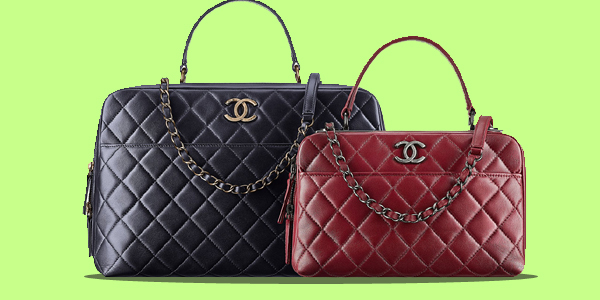
But that is not the case with luxury fashion brands like Chanel, Hermes and Prada, according to a new index ranking the world’s biggest fashion labels.
Called the Fashion Transparency Index, this project was a survey of 40 major luxury and fashion brands carried out jointly by UK-based not-for-profit Fashion Revolution and research co-operative Ethical Consumer. These brands included sportswear, luxury and the high street sectors, all of which have an annual turnover of at least £36 million.
According to Fashion Revolution, transparency is the first step to transforming the apparel industry, which it intends on pursuing for the next five years.
“We believe this simple question (who made the clothes) gets people thinking differently about what they wear,” declares their website fashionrevolution.org. “We need to know that as consumers, our questions, our voices, our shopping habits can have the power to help change things for the better. With more consumers encouraging brands to answer ‘who made my clothes?’, we believe Fashion Revolution has the power to push the industry to be more transparent.
“The transparency index is essentially giving a broad stroke approach to looking at how transparent these top 40 companies surveyed are,” said Melinda Tually, Australia and New Zealand coordinator for Fashion Revolution, adding, “Keeping your head in the sand is no longer an option for brands.”
All 40 companies were asked to fill out a questionnaire about their policies, activities and communications. However, only 10 companies obliged. The rest were rated on publicly available information and annual reports. Those which had published the most about their supply chain practices were likely to get higher scores. They were ranked as per their transparency on policy and commitment, tracking and traceability, audits and remediation, engagement and collaboration, and governance.
While Levi Strauss & Co (77 per cent), Inditex (Zara) (76 per cent) and H&M (76 per cent) ranked on top in the index, for making “significant efforts in given areas and making some or most of their information publicly available,” luxury fashion houses Chanel (10 per cent), Hermes (17 per cent) and Prada (21 per cent) were among the lowest ranking brands, found to be “making little effort towards being transparent about their supply chain practices…with little to no evidence that the company has more than a Code of Conduct in place”. Nike, Adidas, Victoria’s Secret and Gucci were ranked somewhere in the middle, being among those brands “making some efforts…[but with] a long way to go towards supply chain transparency”.
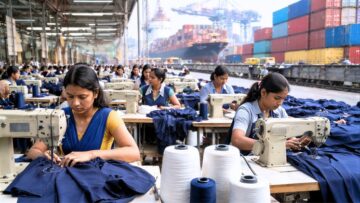
The global garment industry, which is worth over $1 trillion, employs 60-75 million workers, which has, since 2000, grown by around 40 million.
The Index’s release coincided with the Fashion Revolution Week (April 18 – 24) as well as the 3rd anniversary of the Rana Plaza garment factory collapse in Bangladesh that killed as many as 1,130 people and left over 2,500 injured.
“Transparency means companies know who make their products, from who stitched them right through to who dyed the fabric and who farmed the cotton,” according to the index. Incidents like the Dhaka building collapse have made it imperative for brands to be transparent about each level of their supply chain.