Kontoor Brands, American clothing company with a portfolio led by two of the world’s most iconic consumer brands, Wrangler® and Lee®, has announced first set of global sustainability goals and shared its inaugural report on sustainability impacts.
With this, the company aims to transform the industry by taking a holistic approach to apparel and denim production.
The company’s global sustainable strategy focuses on three major pillars with specific measurable goals, aligned with the United Nations Sustainable Development Goals, to track progress and ensure accountability.
Planet: Wrangler® and Lee® have always been committed towards environmental sustainability and compliance. One of their steps in the process is Indigood foam dye that eliminates the water usage in the denim dyeing process. The company has introduced this transformational process in the market and is further developing technologies that reduce water usage in the denim production process. Besides, the company has set certain goals including saving 10 billion litres of water by 2025 and establishing a science-based climate target by 2022.
Product: The company focuses on sustainable cotton sourcing practices by prioritising regenerative agriculture principles that are proved to drive three times the amount of carbon into soil over conventional practices. It has also made investments in farmer training programmes for promoting the principles through the use of cover crops, complex rotation and conservation tillage.
It also has certain future commitments to source 100 per cent sustainable raw materials which include forest-derived and animal-derived material by 2023, cotton by 2025 and synthetics by 2030.
People: It outlines specific goals and details action plans like working with factories that strictly support worker well-being or community development initiative by 2025.
Furthermore, apart from these new goals, Kontoor released its first sustainability report that jots downs the global impacts during 2019. Through this, the company has taken a holistic approach to stakeholder engagement and materiality assessment, leveraging a digital listening tool in addition to engaging in one-on-one interviews, roundtable discussions and other forums in an effort to ensure multiple perspectives from diverse stakeholders.

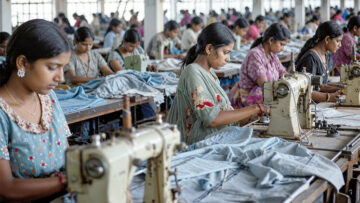




 Bharat Tex Special Report 2026