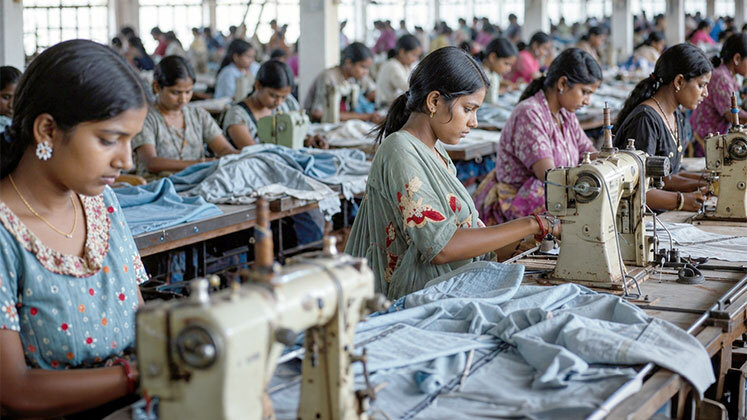
Despite ongoing global uncertainties and a shifting geopolitical landscape, Tirupur’s garment manufacturers remain upbeat about the future. Industry players say recent developments, including the tariff reset announced by the Trump administration, have helped steady sentiment, but their confidence goes beyond short-term policy changes.
Tirupur is also being reshaped by diversification across markets, products, and business models, with companies expanding capacity, entering new geographies, shifting to MMF, and adapting to smaller, more fragmented orders. Tirupur’s strong global presence reinforces this confidence. The cluster exports 35% of its production to leading apparel brands in the EU, another 35% to the US, and about 10% to the Middle East and Canada. In the last financial year, Tirupur achieved exports worth Rs 44,747 crore (US $4.75 billion), accounting for over 60% of India’s total knitwear exports.
At the same time, the domestic market is playing an increasingly important role. Tirupur’s knitwear sales in India stand at around Rs 27,000 crore (US $2.84 billion) and have been growing steadily in recent years. A recent visit by Apparel Resources to the cluster, involving interactions with a diverse set of manufacturers, indicates a shared optimism across both domestic and export markets.
Expansion and capacity building
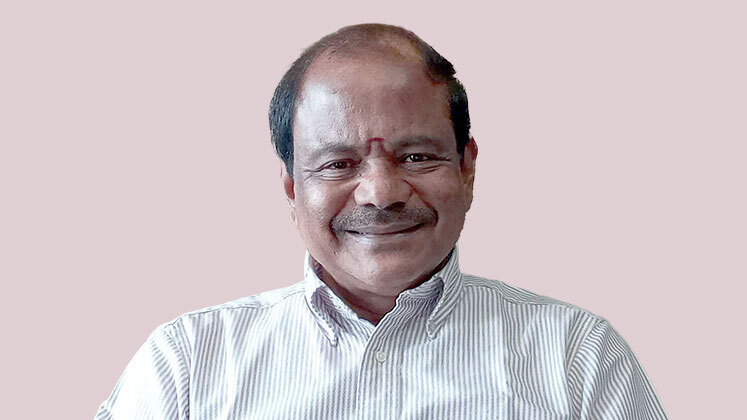
“The current geopolitical uncertainties are temporary and likely to stabilise. While the Middle East conflict may cause short-term logistical delays, the impact is manageable compared to the pandemic. At the same time, India’s rising income levels are driving a shift from saving to consumption, supporting overall industry growth,” said G. Gopalakrishnan, Chairman, Royal Classic Mills.
Building on this positive outlook, the company is investing ₹120 crore (US $12.65 million) in spinning expansion, ₹90 crore (US $9.49 million) in processing modernisation, and ₹50 crore (US $5.27 million) in garmenting, with completion expected by 2026–27. With an annual turnover of ₹700 crore (US $73.84 million), it caters to both domestic and export markets and is targeting 15–20% annual growth.
Royal Classic Mills operates two woven garment units producing shirts and trousers, and two units for knitted T-shirts. Its client portfolio includes brands such as GAP, Next, Old Navy, Walmart, Jockey, Fred Meyer, Nautica, U.S. Polo Assn., and C&A, among others. In 2000, they launched their own brand, Classic Polo, which is now available in around 170 retail stores.
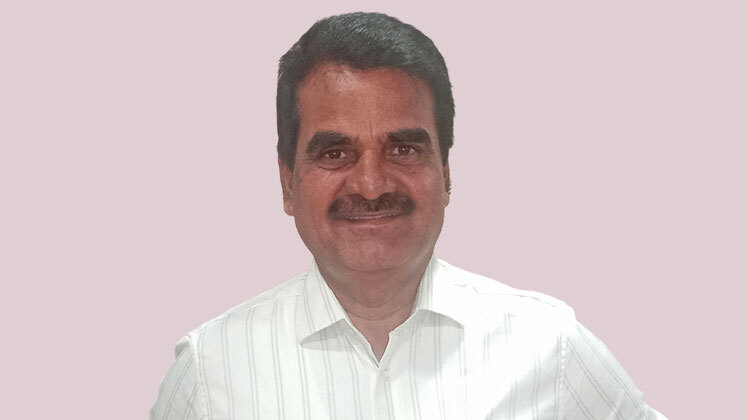
Echoing this outlook, VM Navamani, MD, Cossmo Tex, is planning expansion and remains optimistic about the domestic market. “We are constructing a new factory with 400 machines, which will be completed within six months, adding another 3–4 lakh pieces per month capacity. Currently, domestic business is about 20%, and we are planning to increase it to 35–40% in the next 2–3 years because export markets are mostly volatile. By balancing domestic and export, we can reduce risk,” he said.
Cossmo Tex operates around 800 machines across five factories, with a monthly capacity of 1.5 million pieces and annual turnover of about US $15 million. Focused on knitted garments, the company is also shifting from 100% cotton to blended and polyester-based fabrics to stay competitive globally.
For some, expansion is not just domestic but also global. Swift Merchandise, for instance, has recently entered Sri Lanka through a joint venture with Star Garments Group, under the entity SIP Star Apparel Pvt. Ltd. The ₹20 crore (US $2.11 million) investment is structured equally between both partners. The unit, an existing facility with around 800 employees, is now focused on babywear production.
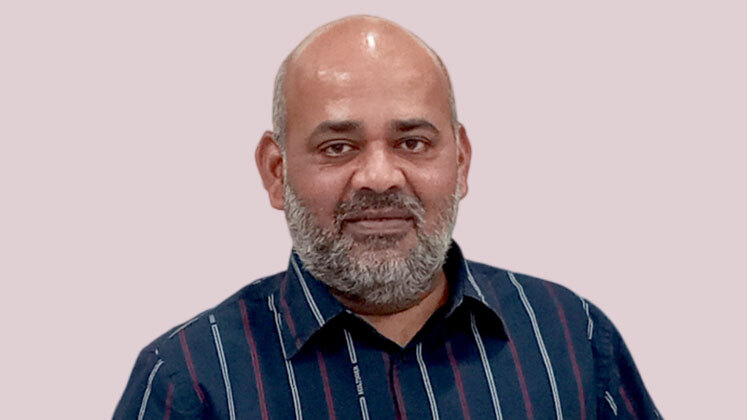
Explaining the rationale behind this move, P. Gandhi, MD, Swift Merchandise, said “The Sri Lanka move was partly driven by recent tariff issues, but we had been exploring international expansion for over a year. Sri Lanka made sense due to proximity and logistics, especially since raw materials are sourced from India. In this joint venture, they handle production while we manage raw materials and marketing.” The company has a capacity of around 3 million pieces per month and a turnover of about ₹300 crore (US $31.64 million). Exports account for nearly 90% of its business, 60% to the US and 35% to the UK, with clients including Gerber, Next, PUMA, Boden, Nautica, GAS, Superdry, FILA, and UCB, among others.
Product diversification and fabric shift
Meanwhile, some manufacturers like Toram Creators are expanding into new categories to drive growth.
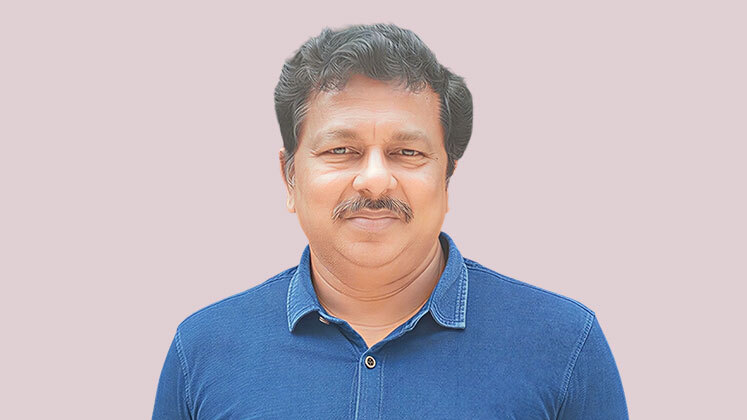
“Going forward, our focus is on scaling bonded products like athleisure, bras, and panties, a category we entered recently. We are increasingly working with new-age fabrics such as nylon, polyester, modal, and bamboo. Cotton bonding is particularly complex, but we are among the early players in India and were one of the first to import such machines from China and Europe,” said Ravin J, MD, Toram Creators.
With growth in mind, Toram Creators, which has a production capacity of about 1 million pieces per month, is adding an additional 100,000 pieces of bonded product capacity. Innerwear remains its core category, contributing around 50% of the business, which is evenly split between domestic and export markets The company operates two factories in Tirupur and Madurai, serving both domestic and international markets. Its client base includes Max and Tata in India, and global brands such as GAP, Walmart, Levi’s, Wrangler, and Lee.

Looking ahead, Manish Gupta, MD, Hannu Knitters (ZU Clothing), said, “Going forward, our focus is clear—strengthening our domestic presence, expanding into new products like seamless T-shirts, and continuing innovation in fabrics and prints, while adapting to the shift toward blended and MMF.” The company operates around 150 machines and follows a balanced 50-50 export-domestic model, catering to wholesalers and retail networks. It focuses primarily on men’s T-shirts, around 90% round necks.
Changing demand patterns
Beyond expansion, the garment industry is no longer defined by scale alone, but by a shift to smaller orders and fragmented demand.
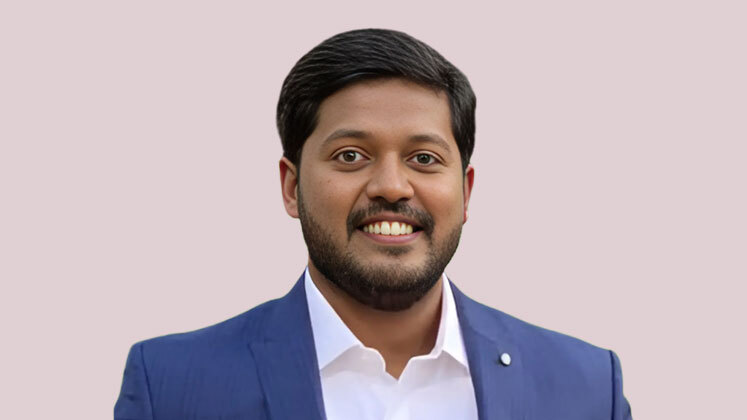
For Ashwin Kumar, Managing Partner, NASA Impex, this shift is structural rather than temporary.
“Our buyers are mainly small European retailers placing 300–500 pieces per style. Orders of around 100 pieces tend to double costs—from US $2 to US $4 per piece—so 500 pieces is our preferred minimum, though we do accept 250–300 pieces for existing customers. Fabric sourcing is managed by combining orders to meet minimum dyeing quantities and avoid additional sampling costs. Around 80% of the fabric remains common, while the remaining 20% may vary,” he said.
NASA Impex specialises in knitted kidswear for children from newborn to 14 years, while also having the capability to produce menswear and other apparel as needed. The company operates with a facility offering multiple wash options such as silicon, stone, enzyme, and biowash through a nominated washing unit in Tirupur, along with 100% needle detection and compliance with international standards such as WRAP, SEDEX audits, and ISO 14001:2015 certification.
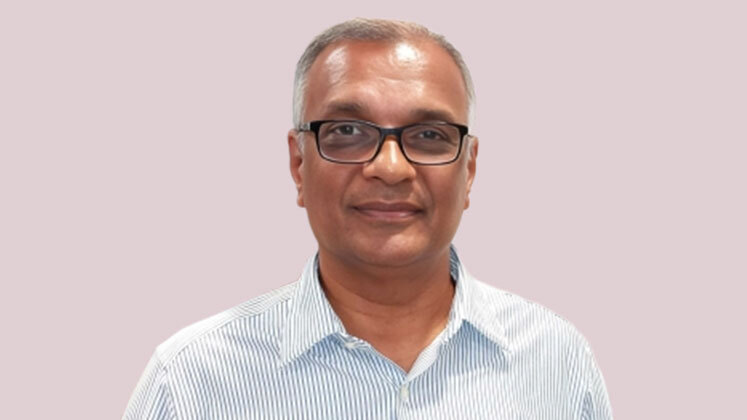
A similar trend is visible at Dorai Fashion Wear. S. Ramesh, MD, Dorai Fashion Wear, emphasised, “Our MOQ typically ranges between 1,500 to 2,000 pieces, though it can go lower depending on styles. With multiple styles, volumes tend to balance out. We also stock fabrics in advance based on seasonal planning, which helps reduce lead times and respond faster.” Ramesh said the company operates around 250 machines, focusing primarily on kidswears. Dorai Fashion Wear produces about 10,000 pieces per day, with a turnover of around US $4.2 million, and counts premium retailers such as Nordstrom, Michael Kors, and DKNY among its buyers.
The company’s business is currently split evenly between the US and EU markets.
Middle East Market Risks
While most manufacturers remain optimistic about the market, those heavily reliant on the Middle East are more cautious amid current uncertainties.
Suresh Padmanaban, MD, Inspire Clothing, said, “Since our major market is the UAE—which serves as a hub for the Middle East and a transit point for neighboring countries—the impact of the current geopolitical conflicts is more visible. We expect some stability to return in a month”.
Specialized in kidswear, the company has established a strong presence in the UAE through wholesalers, retailers, and its own licensed wholesale outlets, allowing for greater margin control.
Manufacturing is managed through an agile outsourcing network of 10–15 partner factories, supported by additional larger units, allowing for ensured scalable capacity. Moving forward, the company is transitioning from white-label manufacturing to establishing its own brand and retail footprint in the UAE, while also exploring opportunities within the Indian market.
Similar concerns are being echoed by manufacturers in neighbouring clusters such as Erode.

“We are also facing payment delays, especially with buyers in Israel, due to the war situation.
Goods are stuck, and payments are delayed until conditions improve. Similar issues are also seen in Dubai and Saudi markets. However, I believe this is a short-term issue. Buyers from the UK and EU are already looking for new suppliers in India, especially after FTAs. This will benefit Indian exporters”, said Karthik Shan, CEO, The Synerg, a reputable Clothing Manufacturer in Tirupur. The Synerg produces knitted garments such as T-shirts and hoodies for men, women, and children. Karthik highlighted that the current turnover is about ₹25 crore (US $2.65 million), and they expect it to reach around ₹40–45 crore (US $4.25 million – US $4.78 million).
At the same time, manufacturers in Erode are continuing to invest in expansion and diversification.
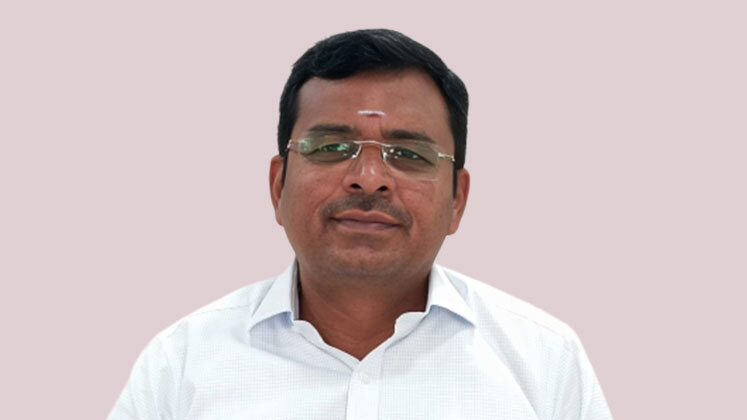
Raa. R. Muthukumar, Director, Blue Fashion, highlighted, “We are also diversifying our product range. Earlier, we were focused only on shirts, but now we produce trousers, jackets, knitwear, and uniforms. We also aim to expand from 600 machines to around 1,000 machines, with an investment of ₹10–20 crore (US $1.06 million – US $2.12 million), possibly within a year. We are also gradually moving from job work to FOB (free on board) business. In the last six months, we have started FOB work with Techno Sport, and we plan to scale this further.”
Its clients include strong domestic brands such as Ramraj Cotton, Techno Sport, Uathayam, Viking and Ariser.
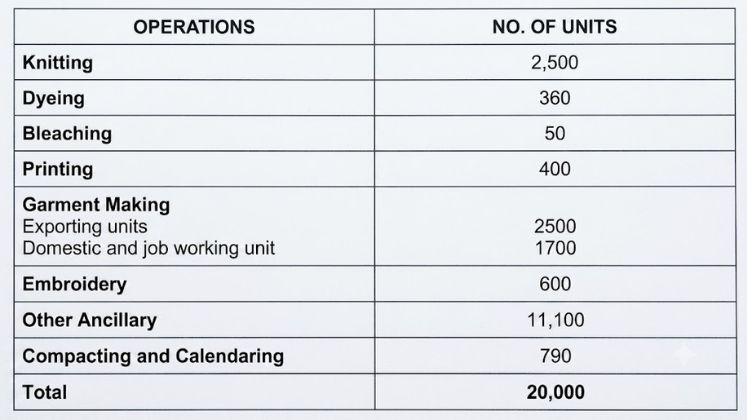
TIRUPUR BY THE NUMBERS
(With exclusive inputs from Dheeraj Tagra)