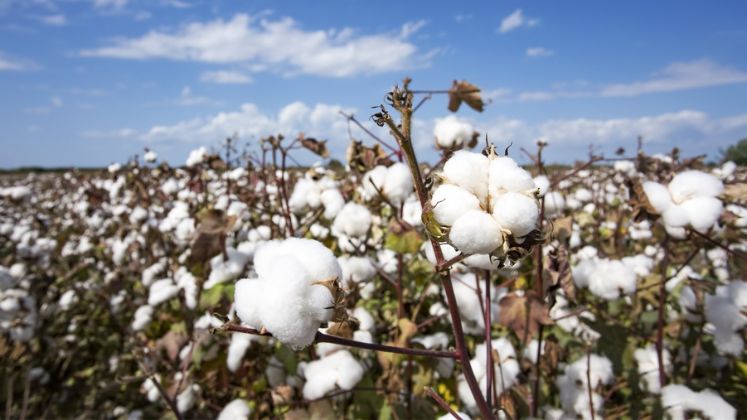
The non-profit reports that 22 per cent of global cotton production was Better Cotton in the 2021-2022 season.
Alan McClay, CEO of Better Cotton, explains Better Cotton contributed 22 per cent of the world’s cotton production in 22 nations last year, reaching 2.8 million farmers through its activities, including more than 2.2 million licenced Better Cotton producers.
Uzbekistan, the world’s sixth-largest producer of cotton, joined the list of nations adopting a Better Cotton Programme in January of this year (2023), having been declared free of forced labour in March of 2022. McClay called it a “positive change” for the country.
According to Better Cotton, the most recent revision of its Principles and Criteria (P&C) will be at the centre of its activities in 2022 and will be crucial in assisting the organisation and its partners in achieving the five Impact Targets listed in its 2030 Strategy.
These goals also seek to empower women in agriculture, improve soil health, limit pesticide use, reduce greenhouse gas emissions, and support the livelihoods of smallholders.
McClay also notes that “regenerative agriculture” is at the core of Better Cotton’s sustainable practises.
In October of last year, Better Cotton worked with cross-sector partners, ISEAL, and the International Social and Environmental Accreditation and Labelling Alliance (ISEAL) to develop the Delta Framework, a set of metrics to gauge sustainability in the cotton and coffee commodities sectors.
McClay clarifies The impact reporting mechanism that Better Cotton has since introduced, according to him, “better evidences trends over time in Better Cotton farming.”
After updating its Chain of Custody model in 2022, it is getting ready to introduce its traceability solution in November 2023.