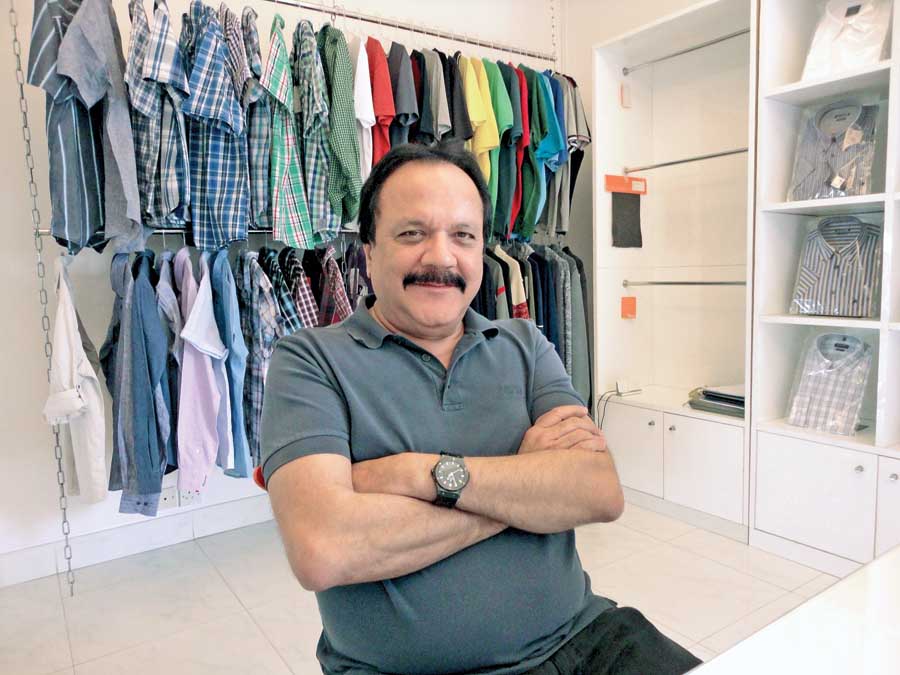
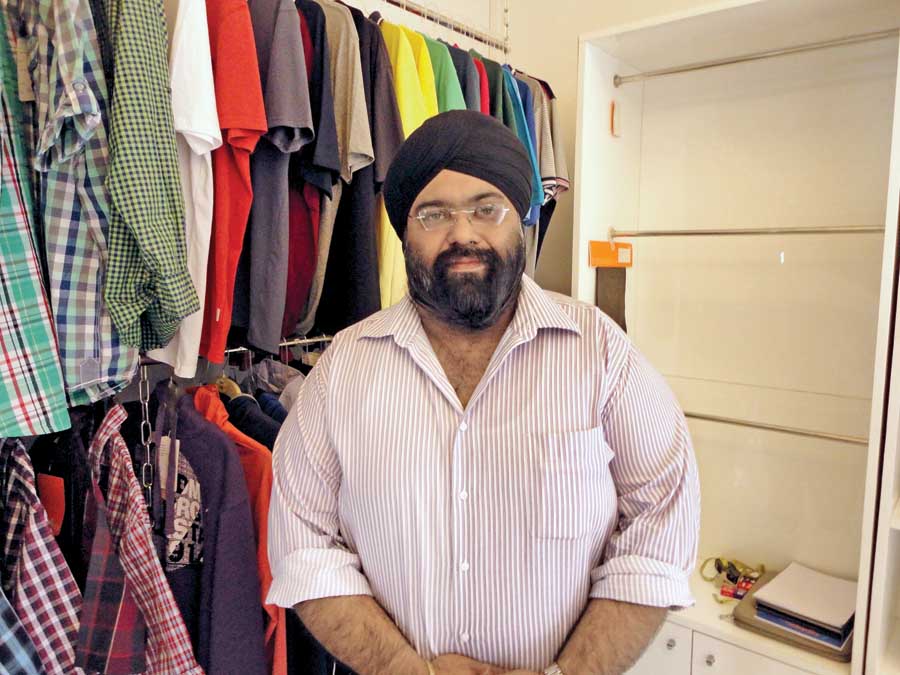
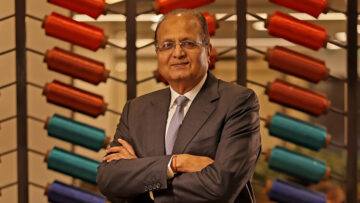
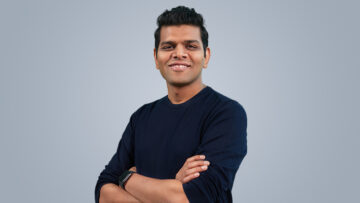
In a freewheeling interaction with Team AO Bangladesh, Abby Jamal, MD and Jagdeep Singh Sareen, VP Sales & Marketing, ZXY who has been with Jamal since 2002, share their strategy and future growth directions…
Credited to be the first buyer to introduce and make polo T-shirts in Bangladesh, Jamal recalls with amusement the astonishment on people’s faces on seeing a T-shirt with a collar. Today, the buying office is known to constantly introduce new product categories. “We are considered as pioneers in Bangladesh and have brought products like sportswear, work wear, corporate wear and lingerie to the industry. We were also among the first buying offices to open their own sampling lab. Yet, we are a relatively small operation, growing 20-25 per cent annually, as we want to work with relatively smaller players for niche products,” says Jamal.
In the search to be broad based in terms of products, the company has two offices in India, one at Noida on the outskirts of Delhi, which is the sourcing hub for products like blouses and fleece flat knits, and one office in Tirupur for circular knits. Besides thse two the company also has an office in Lahore, one factory in China and marketing offices in Canada, the US, Italy and Germany. “We are looking at other markets like Myanmar and South Africa as it is duty free to the US,” says Sareen. The company ships out around 20-25 lakh pieces every month from Bangladesh, while from India, the Tirupur office sources only around 150-200 thousand pieces. The Delhi office was setup in December and is currently doing very small business.
Earlier the perception of Bangladesh was basic 5 pocket jeans and T-shirts, but not anymore. “You will be surprised at the product range offered by Bangladesh today, initially there was absolutely nothing on the technical side to support different products, but now the second generations has come in and new product lines have been added,” says Jamal.
Lingerie which was never a Bangladesh product is now being introduced in the market. Sports jackets with two-three layers and bonded membrane jackets are also being made in the country. Shoes too have started selling and being made out of Bangladesh. “By allowing duty-free access to garments which are made from imported fabrics since the 1st of January this year, the EU has opened doors for bigger business,” says Sareen. It has also helped that investment from many Chinese companies has come in over the last two years.
[bleft]Introduced products like sportswear, work wear, corporate wear and lingerie to the industry and were among the first buying offices to open their own sampling lab and growing 20-25 per cent annually.[/bleft]
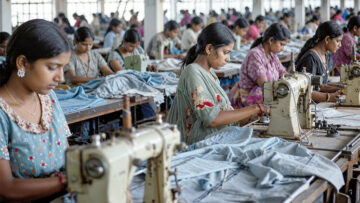
The buying office is truly global, where out of the 280 people working for the company, 45 are expats from India, Sri Lanka, Philippines, UK and Germany. “We are quite a cosmopolitan company. The focus is on quality and we have 150 people just monitoring factories to push production quality,” says Sareen. He adds that the strength of Bangladesh is no doubt cheap labour and buyers are taking full advantage of this strength. “The minimum labour cost here is US $ 50, whereas in India it is almost around US $ 120-130. Everybody wants to come here and with China getting very expensive; business from China is also coming into the country. Some business of China is also going to India because a few buyers don’t want a ‘Made in Bangladesh’ tag, but the major products have come to Bangladesh,” opines Sareen.
[bleft]We are quite a cosmopolitan company. The focus is on quality and we have 150 people just monitoring factories to push production quality.” – Jagdeep Singh Sareen, VP Sales & Marketing, ZXY[/bleft]
With huge volumes being a norm, companies like Levis, Tommy and H&M are buying in large quantities. “These bulk buyers go to a factory and if they like it, they book it for 2 years kicking out the buyers who are already there, which is a big problem. So it is very important here to have a very good personal relation with the owners, because there are more buyers here than suppliers. It is a supplier’s market,” avers Jamal.
The company has fixed 18-19 factories as dedicated suppliers from around the 90-odd factories that they work with. “We have taken up their 40 per cent space and with the owner there is an agreement that they will not produce anything there. So if we cannot book that space we will pay for that anyway. We are working with factories with which we have 7-8 years relationship, which does matter a lot,” says Sareen.
[bleft]We are considered as pioneers in Bangladesh and have brought products like sportswear, work wear, corporate wear and lingerie to the industry.” – Abby Jamal, MD, ZXY[/bleft]
Linked with customers online through ERP, ZXY has customers coming in throughout the year. The buying office has design studio where10 designers and graphic designers support their customers with design inputs. “We are proposing designs to customers like Kappahl. The yoga line of CK, which is being sold in the US, is actually designed here in our company. They were running that line in China in basics polyesters and wanted to shift it. Our design team made a full collection including the bags and everything and they liked it very much. Since CK doesn’t buy anything directly, as they have licence holders, we are producing for them through G3. We source both for menswear, women’s wear, and kids wear as well. We have done a lot of licence products also,” informs Jamal.
[bleft]Over 85 customers around the world, sourcing about US $ 120 million worth of goods from Bangladesh, ZXY buying office is expanding its operations to offer international buyers a wide variety of products. [/bleft]
Jamal feels that the two real problems in Bangladesh are infrastructure and energy. “If the Government can solve these two problems there will be a lot of investments in Bangladesh. I know for fact that the Aditya Birla Group of India did want to open factories and offices here, but the energy crisis is stopping them from coming. Even Arvind Mills backed out because of these issues,” says Jamal.
Though labour is Bangladesh is cheap, with productivity quite high products have duty-free excess to Europe, Jamal feels that because the deliveries are bad and communication is poor due to variety of reasons, it is not an easy manufacturing centre to control. “You cannot remote control Bangladesh, you have to be on ground zero especially as the middle management is absolutely missing, yet it is still better than India today because of the price competitiveness,” concludes Jamal.



 Bharat Tex Special Report 2026