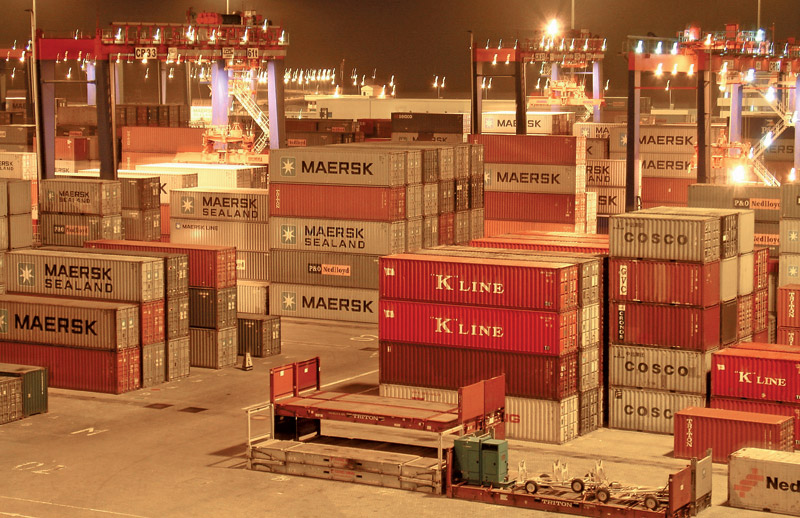
 All eyes are on 2021, the year when Bangladesh will celebrate the golden jubilee of its independence and the year earmarked to achieve a target of US $ 50 billion export earnings from garment. The figure, though appears overwhelming, is not impossible to reach! Going by earnings of around US $ 1200 way back in 1978, the country emerged as the second largest exporter of RMG globally, second only to China. It made RMG export of US $ 26 billion in 2015 making an average year-on-year growth of 13.05 per cent between 1996 and 2015 which helped Bangladesh account for 5 per cent share in the US $ 450 billion global garment market and well-positioned to reach the magical mark of US $ 50 billion.
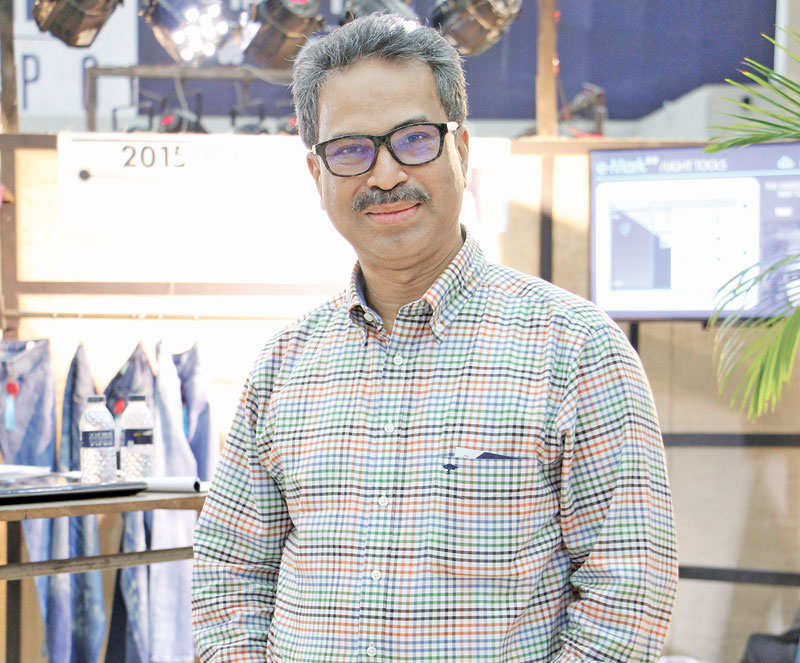
“We need to do 13 per cent every year and in the last 3 months we have achieved 10.6 per cent, so we are closer to it. I still strongly believe that we will be able to achieve the target as a lot of investment is happening, we are upgrading our value-added garments; we have gone for diversification of markets and products. There are good factories coming up. Though the last two years were difficult for us but we have got our confidence back. Positivity is there and we are working hard,” underlined Faruque Hassan, Senior VP of BGMEA and Managing Director of Giant Apparels Ltd.
The tragic Tazreen Fashions fire on November 24, 2012 and Rana Plaza building collapse on April 24, 2013, had indeed made serious dents on the country’s image. If the Tazreen incident witnessed growth rate dropping from 29 per cent of 2011 to mere 3 per cent in 2012, the impact of the Rana Plaza accident manifested itself in lower growth rate of 5 per cent in 2014. This is what perhaps prompted McKinsey’s global survey of leading apparel producers in 2015, predicting 7-9 per cent annual growth for the sector over the next five years.
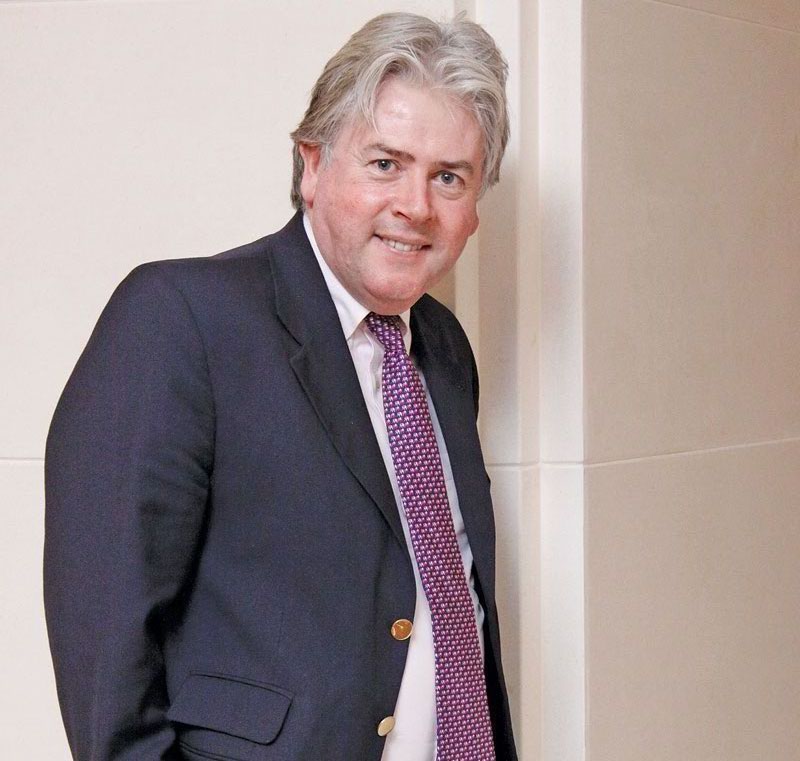
Known for resilience and inherent fighting spirit, the sector not only bounced back with grit and determination but was also able to regain its lost glory and image by setting an example of safety reforms with able support from buyers’ forums, the Government and other stakeholders. “The things working in favour are the entrepreneurial spirit of the Bangladeshi companies looking to become an alternative to China and the availability of labour, but few improvements like infrastructure and also the work done by Alliance and the Accord should be strengthened and carried forward,” says Paul Forman, the current Chief Executive Officer of Coats plc. Nonetheless the positive environment and the changing scenarios are providing further scope for the country to move towards its set target.
In order to reach the target, the industry needs to achieve 13 per cent growth every year. It also has to attract substantial investments, upgrade to more value-added offerings, diversify markets and products and come up with good factories. The things that are working in its favour are the entrepreneurial spirit of the Bangladeshi companies looking to become an alternative to China and the availability of labour.
The sense of positivity as underlined by Paul and Hassan, as well as the prospects that the future holds for the sector as an able ally to China (under the China Plus One concept that is building up strongly), has led a good number of manufacturers to come up with sustainable garmenting units to impress the growing tribe of eco-minded international retailers while also grabbing more work orders and increase the market share. Today, there are 26 LEED-certified green garment factories operating in Bangladesh out of which five are platinum-rated green factories, and of these two are the highest rated green factories in the whole world.

“…There have been challenges but a lot of good things have also happened. A lot of young talented hardworking graduates are joining the textiles and apparel business as a serious career option, as compared to 5 years back which is improving the crop of professionals in the industry,” observes Syed Ishtiaq Alam, the young and dynamic Director of Ananta Group, who has recently added a LEED Gold-certified factory to the list of garmenting units. And as buyers continue to pour in and consider Bangladesh as a de facto option not only for products which Bangladesh is known for, but also for buying new products, Syed is certain that Vision 2021 is well within the reach. “It is only a matter of how we get there,” Syed underlines.
Out of the existing 26 LEED-certified green garment factories, five are platinum-rated green factories, and of these two are the highest rated green factories in the whole world.
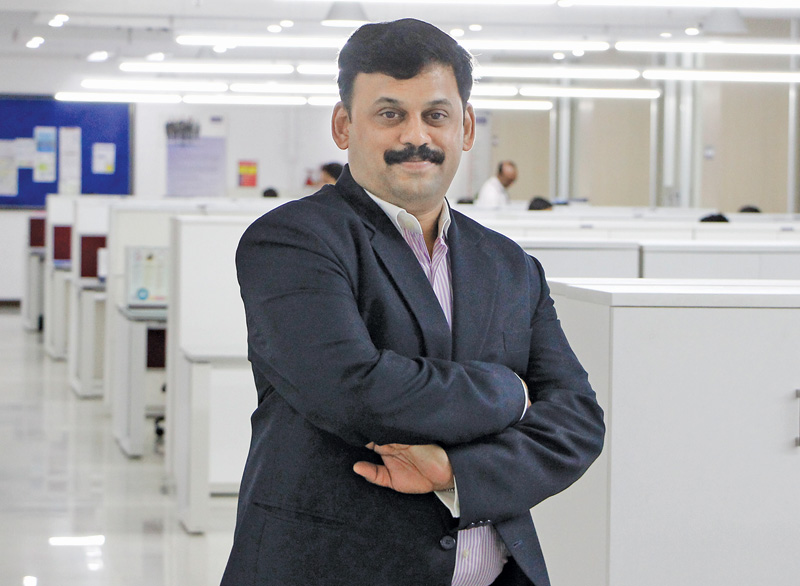
Syed’s sentiments find resonance in Dr. Karthik ND, Country Managing Director, Intertek Bangladesh, who maintains that the proactive attitude of the business leaders in terms of bringing new avenues in the form of export destinations, shows and product categories, and establishing Bangladesh’s USP by moving towards a higher value production chain are just a few indicators of the growth in store, which he feels would only drive the industry closer to the US $ 50 billion apparel export target.
McKinsey’s global survey of leading apparel producers in 2015 predicted 7-9 per cent annual growth for Bangladesh over the next five years.
So, at a time when Bangladesh seems well-poised to work its way towards the goal, comes the double whammy in form of Brexit and the Dhaka terror attack! Like many other countries, economists and analysts in Dhaka are apprehensive of adverse impact of UK’s exit from the EU, among which are losing duty benefits on Bangladesh’s exports, decline in remittance inflow and volatility in the foreign exchange market… “It seems that our export to Bangladesh’s big market – the UK – will be under pressure. We seek Government support so that we can maintain smooth export to the region,” maintains BGMEA Vice President (Finance) and Managing Director of Evergreen Sweaters Ltd., Mohammed Nasir, to a news agency. In response, the Government has reportedly decided to form a committee to fix the next course of action; after all UK is the third largest garment importer from Bangladesh. Add to it is Bangladesh’s inability to win back the trade benefit from USA, which it withdrew in the aftermath of the Rana Plaza incident, which could have been of some help to keep the growth momentum going.
The country exported RMG worth US $ 26 billion in 2015.
Hardly had the industry been able to fathom the implications of Brexit, came terror calling at the Holey Artisan Bakery located in the upscale diplomatic enclave of Gulshan 2 in Dhaka that claimed at least 20 lives, including nine Italians who were involved with the garment sector, and soon followed by Sholakia Eidgah attack in Kishorganj on the occasion of Eid, resulting in three more deaths. The country, where isolated but continuing cases of targeted killings had already put its internal security scenario under the scanner, never expected something like this. The mindless carnages brought back the world’s attention to Dhaka again. Smarting under embargo imposed on direct air shipment by UK, Australia and Germany on security grounds, the muffled voices of buyers’ resentment is getting audible once more. Fast Retailing Co, the Japanese owner of the Uniqlo casualwear brand, has already suspended all but critical travel to Bangladesh and has asked its staff to stay indoors, while six countries – Australia, Canada, Germany, Spain, the UK and the US – have reportedly instructed their citizens, currently residing in Bangladesh, to stay vigilant. Any further worsening of the existing scenario may very well prompt them to issue advisories against travelling to Bangladesh.
The apparel sector made an average year-on-year growth of 13.05 per cent, between 1996 and 2015.
“Bangladesh has never seen such a horrific incident… It is a strong slap to our image. It will put pressure on our business, but we cannot say to what extent at the moment,” reportedly maintained BGMEA President Md Siddiqur Rahman, who is also the Chairman of Sterling Group. The present scenario brings back the memories of 2015 when after a foreigner’s killing many overseas companies had pared back travel to the country and asked for meetings to be held overseas. Industry analysts have suggested many clothing brands may now consider shifting out of Bangladesh to less unsettled countries such as Cambodia, Vietnam, Sri Lanka and the likes. There are also fears that major retailers could rethink their sourcing plans after the latest attack.
Bangladesh’s share in the US $ 450 billion global garment market is 5 per cent.
The silver lining, however, is that Bangladesh industry has smartly put into action to move to other developing destinations to mitigate the loss of business back home. A case in point is the leading Bangladeshi garment manufacturer and exporter DBL Group which, encouraged by the duty benefits enjoyed by certain African nations to the US markets, is reportedly planning to set up a US $ 100 million integrated textile and garment factory in the Tigray region of Ethiopia that would go into production by February next year. “We are going to Ethiopia as this African nation enjoys zero-duty benefits from the United States on exports. The benefits will continue for a long time as Ethiopia is a member of the Least Developed Countries (LDCs),” stated a senior official of DBL Group, adding, “We aim to export to the US and European, African and Middle-Eastern countries from Ethiopia.”
After the Tazreen Fashions fire incident, growth rate dropped from 29 per cent (in 2011) to a mere 3 per cent (in 2012).
Already challenged by energy crisis, lack of skilled human resources, higher cost of production, high bank interest rates and poor infrastructure, the two recent developments are sure to test the country’s famed ‘resilience’, a factor, which eventually might prove to be the key to achieve the US $ 50 billion target!