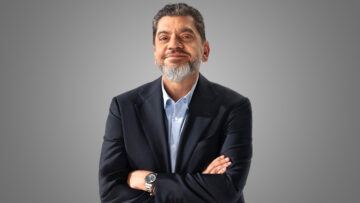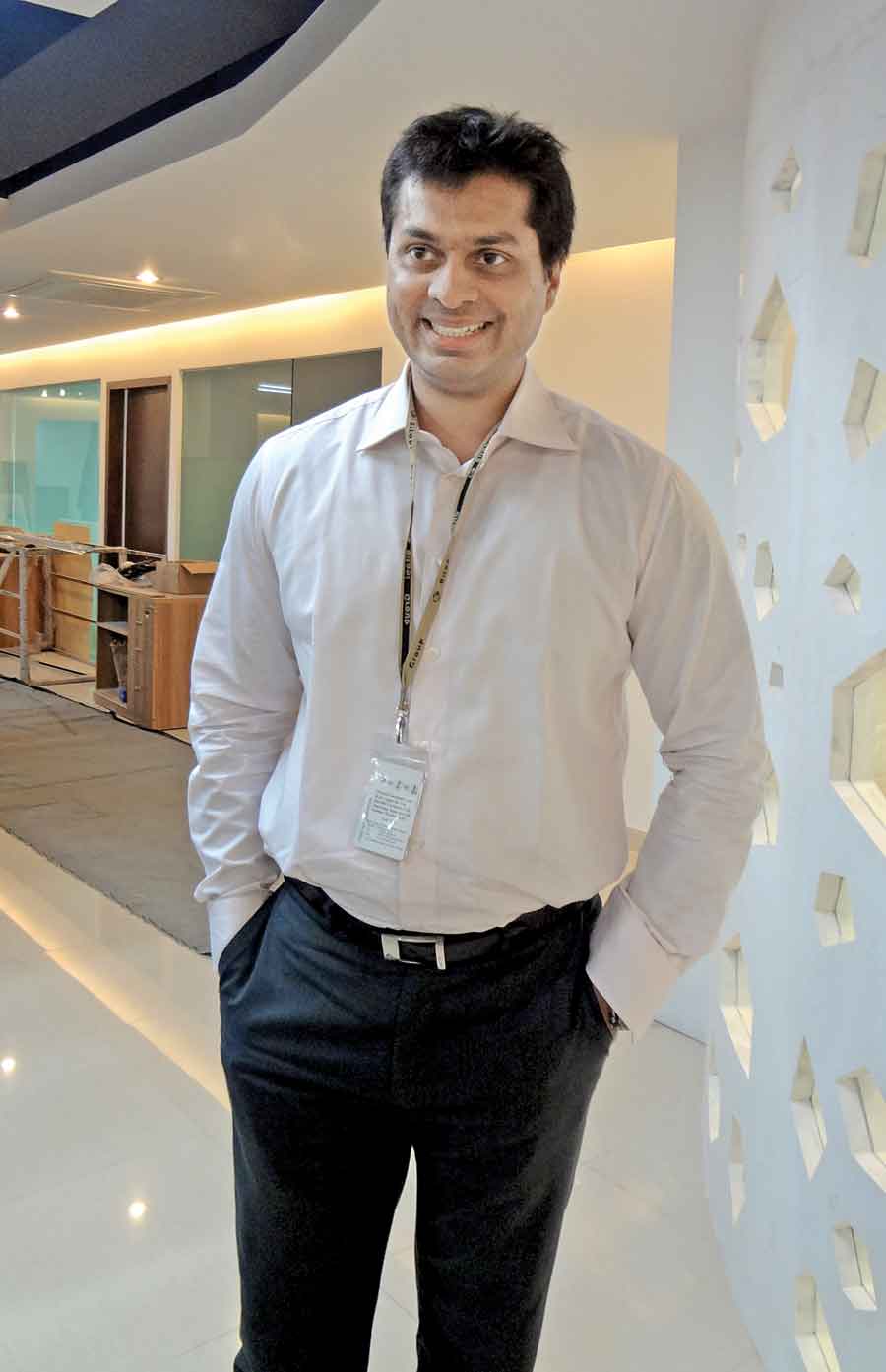
Manufacturing casual bottoms for buyers like H&M, GAP, s.Oliver, United Colours of Benetton, Kappahl, C&A, Sisley and Zara, Misami Garments, a part of Bitopi Group, has acquired a place for itself distinct from other manufacturers of the same product category. Spearheading the company, the dynamic brother-duo Mishal Ali, Deputy Managing Director and Miran Ali, Managing Director, have taken the company which their father started way back in 1984 to a level sought-after by many.
Specializing in casual bottoms for men, women and kids, the company has three manufacturing facilities, the biggest one being Tarasima Apparels, about 60 km from Dhaka city. “Washing is the competitive edge that we have which has helped us in acquiring a niche for ourselves. We do garment dyes, pigment dyes, cold dyes, acid wash, hand brushing and curing. That’s not all, we also work with European and Turkish chemical companies for development, they also visit us and train our people for brief periods of times as and when required,” said Mishal Ali.
After establishing a niche for itself in casual bottoms, Misami is now eyeing suit manufacturing as a product for expansion. “We would probably start by next year with an initial capacity of 6000 pieces per day from 6 suit and trouser sewing lines. As of now we have started a single line of formal pants for C&A, with technicians from the brand which in a way is a prelude to the suit factory,” shared Mishal. The company is already equipped and efficient in manufacturing casual bottoms that it had to utilize its new machines and equipment bought for manufacturing formal trousers to produce casual bottoms reiterating its stand that ‘quality pays’. This expansion is in addition to the recently (September 2012) setup of 8 lines for casual trousers and one line for formal trousers. “In addition to the 26 sewing lines for casual trousers by May this year, we plan to add 3 more lines again for casual trousers, for which I have already opened LCs,” added Mishal.
[bleft]Presently, standing at a decent turnover of US $ 67 million, the year 2012 was the year of change for the company as besides venturing into new product categories and expanding sewing capacities for the existing product line, the company is also in the phase of relocations and consolidations, for achieving the US $ 100 million mark.
Washing is the competitive edge we have, which has helped us in acquiring a niche for ourselves. We do garment dyes, pigment dyes, cold dyes, acid wash, hand brushing and curing. That’s not all, we also work with European and Turkish chemical companies for development, they also visit us and train our people for brief periods of time as and when required.” [/bleft]
Year 2012 was the year of change for the company as, besides venturing into new product categories and expanding sewing capacities for the existing product line, the company was also in the phase of relocations and consolidations. The present factory now serves as the company’s head office with majority of the capabilities being shifted to nearby Tarasima Apparels. “Presently this factory is running only 10 sewing lines, majorly for H&M and the cutting, finishing and washing departments have been centralized in Tarasima Apparels… With 9 spreaders, we are also trying out our first automatic cutter,” shared Mishal.
During the same period the company strengthened its middle management to handle the influx of business in a better manner and the merchandising capacities were ramped up. Moreover, the factories in Bangladesh are run by the middle management who aren’t educated enough. The people do not value the new systems and techniques. “We are focussed on the middle management and have actually aligned them towards our future goals,” averred Mishal. He further endorsed that the fact that Bangladesh has achieved everything as of now, majorly due to low labour wages, but to remain competitive in the times to come, the working efficiencies need to be improved.
“That was the reason behind all the training programs that we have been conducting for more than two years now; to produce more you need better managers,” added Mishal, who claimed operators and management training programs are the strength of the company. The top management of the company, unlike other apparel manufacturers in the country, have a deep understanding of their manufacturing facilities and are actually involved with the company’s manufacturing operations in a very innate manner. “My operators don’t go on strikes, as I know them by name and take care of their smallest needs,” shared Mishal talking about the bond he shares with his employees.
Presently, standing at a decent turnover of US $ 67 million, Misami is gearing itself up to touch US $ 100 million in 2013, and has also built the infrastructure to reach the number. “2012 was the year of transition for the company due to which we were not able to achieve our targets, but what we did last year was necessary for a sustained growth path and that had helped us in the longer run. If all goes as planned in 2013, I will further increase my sewing lines and washing capacities,” concluded Mishal.