Diminishing profit margins in basic products have pushed many small- and medium-sized garment manufacturers to the brink, but the gritty and the resourceful have managed to find in niche just what they were looking for to not only survive and sustain, rather prosper! Chittagong-based Mars Apparels with two factories – Mars Apparels Ltd. and Mars Sportswear Ltd., is one such name which has been built on its inherent strength in knits, creating a niche for itself in activewear and ladies’ intimatewear, product categories that are high-up in global demand list, and also commanding better price points.
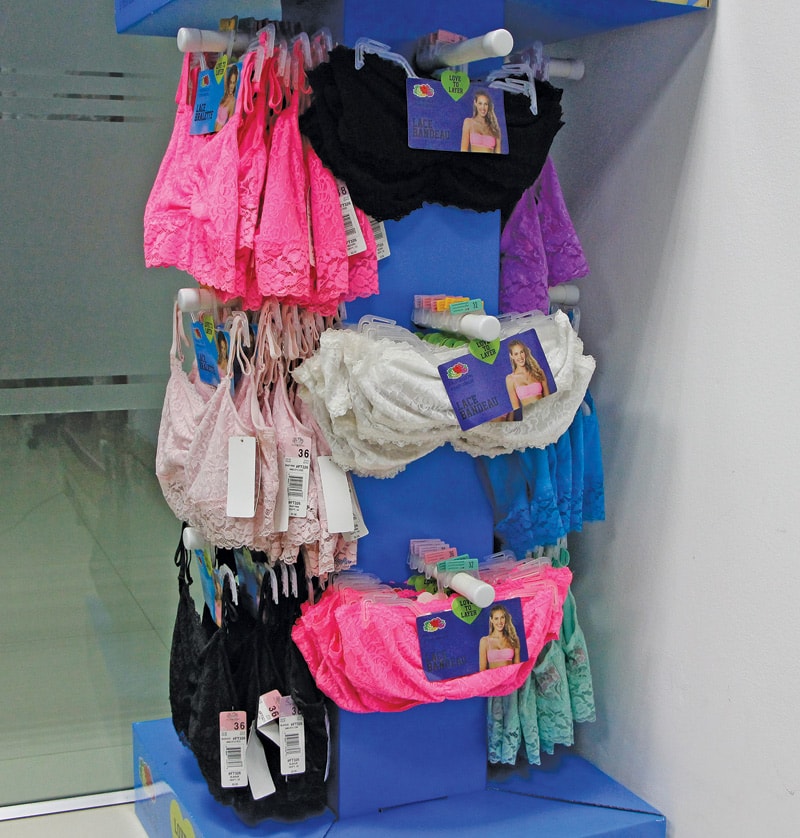
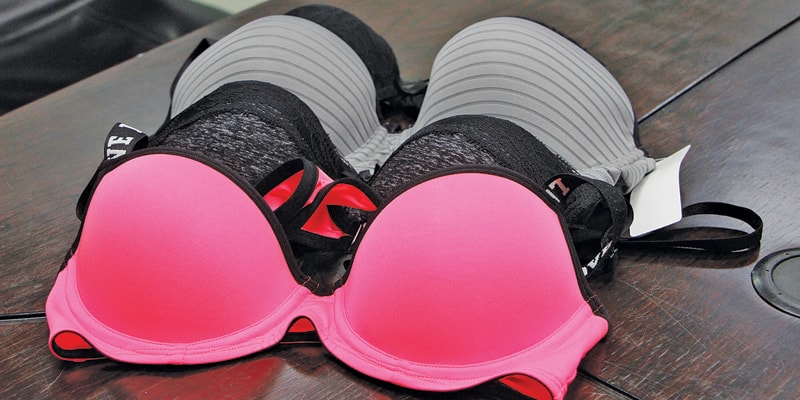
Established in 1994 with around 150 employees manufacturing various kinds of knit products from a small factory, Mars Apparels Limited today has grown into a sprawling 85,000 sq. feet unit, employing over 1,000 workers and a production capacity of 12 million pieces per year, while its sister concern, Mars Sportswear Limited is spread over 72,000 sq. feet with production capacity of 15 million pieces a year. Together, these two units manufacture host of products in intimate and activewear (constructed bras, tank tops, yoga tights, maternity bras, sports bras, sheer fabric panties, capris, exercise tights, etc.) to cater to names like Fruit of the Loom, Dollar General, H&M, Walmart, Smart & Sexy, Bestform and many more.
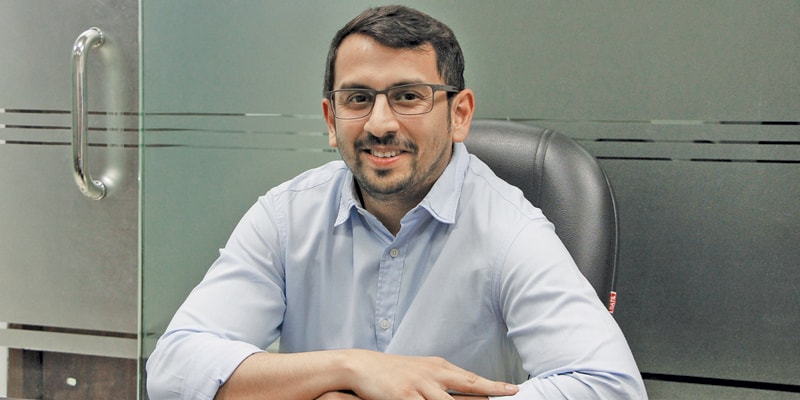
“In 2005, we completely changed the product line as we were unable to compete with the big factories who could work on really small margins owing to bigger volumes. We decided to do something where we could add some value like the critical products, which also fetch better margins,” explains Shaker Ahmed – Deputy Managing Director (Mars Apparels Ltd. & Mars Sportswear Ltd.), a second-generation entrepreneur who joined the business of garment manufacturing started by his father Mohsin Ahmed – Managing Director (Mars Apparels Ltd. and Mars Sportswear Ltd.), after completing his Masters in Finance from the US.
Having established feasible and cost-effective sourcing channels in overseas destinations for raw materials, Mars made an early head-start in active and intimatewear to save the challenge of managing competent manpower, capable of handling such products. But it found a solution to the issue soon. “We hired some Sri Lankans, around five of them, to train and guide the local workers,” underlines Shaker. Initially the company dedicated two lines for the training purpose only.
Retention, the biggest challenge
Notwithstanding Bangladesh’s cheap and abundant manpower, holding on to trained people is a big challenge. “Training the new recruits is a long-drawn and tedious process, full of trials and errors. Despite the painstaking efforts, we can hardly retain 10 out of say 40 at the end,” bemoans Shaker. Paying the workers (most of who are multi-skilled and capable of handling more than one machine and process) higher as compared to factories making run-of-the-mill products, is just one motivational aspect to keep them engaged. Showing them the growth path is perhaps the most important one. Efficiency- and performance-based promotion is one such step. “Sampling is a very critical aspect in our business and all our sample makers are from the sewing floor, who get paid much higher than the regular workers,” explains Shaker. Taking a step further, Shaker has given an opportunity to the proficient ones to turn trainers and teach the fresh recruits. “The growth path for workers may not be as well defined as in management but the skilled and dedicated ones can definitely touch great heights…,” asserts Shaker.
Growing competition…, boon or bane?
The healthy profit margins in active and intimatewear have motivated scores of others to start manufacturing the product range, lately. But that’s not something which bothers Shaker. “Honestly, I welcome more people to take up active and intimatewear. This would not only help popularise the country’s competencies in such kind of critical products but also attract names like Adidas, Nike and Lululemon, etc., to actively look at Bangladesh as a sourcing destination,” maintains Shaker. But what about undercutting amongst competitors, which apparently is quite prevalent in the Bangladesh garment industry?
“Yes, that’s true… Unfortunately the Bangladeshi entrepreneurs seem to have only one set of skill to negotiate, and that’s price. So all they do is keep reducing the price to get an order,” agrees Shaker underlining that underselling or underbidding in product categories like activewear and lingerie is not as easy as in regular products while stressing on business maturity and professionalism to flourish in the business of garment manufacturing.
 Professionalism, the missing link!
“In Bangladesh it is still the old style of running the show – family-owned businesses, automatic succession and no professional management,” explains Shaker, adding that the increasing number of CEOs in the industry should not be construed as a sign of professionalism. “They are more of operational CEOs, who in my view are akin to GM Production; both the power and authority are still very much with the owners,” Shaker says. Despite Shaker’s best efforts, Mars has still not been able to get the right kind of people in middle-management, which the Deputy Director of the company attributes to RMG sector’s image of – ‘not for the educated’ – which eventually prompts the promising management students to opt for other sectors at the cost of RMG, despite being the country’s biggest foreign currency earner. “In general, the middle-management in Bangladesh garment industry is weak and it is even weaker in Chittagong…,” signs off Shaker.