 Indochine Textiles (BD) Ltd., with its headquarters in China opened its Bangladesh office in 2007 and in just 6 years established itself to source US $ 70 million worth of garments per annum in which 80% constitutes women’s wear. With 75% of the total revenue through sourcing for Newlook, UK, the buying office is also sourcing garments for Target, Australia, s Oliver, Germany and for some of its own retail ventures from India, Cambodia and Vietnam. Team Apparel Online Bangladesh recently met Ravin Shah, Office Manager, Bangladesh Office who is also the man behind opening the Dhaka office. Ravin shared his experience on how the sourcing has evolved in these six years…
Ravin admits to a sea change in the RMG sector, some good and some bad, over the decade that he has been in Bangladesh. Recalling that factories were hesitant of doing value-added business six years back and how he had to really push them for any kind of value addition, demanded by the changing consumer preferences at the retail end, to now when they have realized the importance of adapting to value-added garments with prints, embroideries, fashion finishes as the core area.
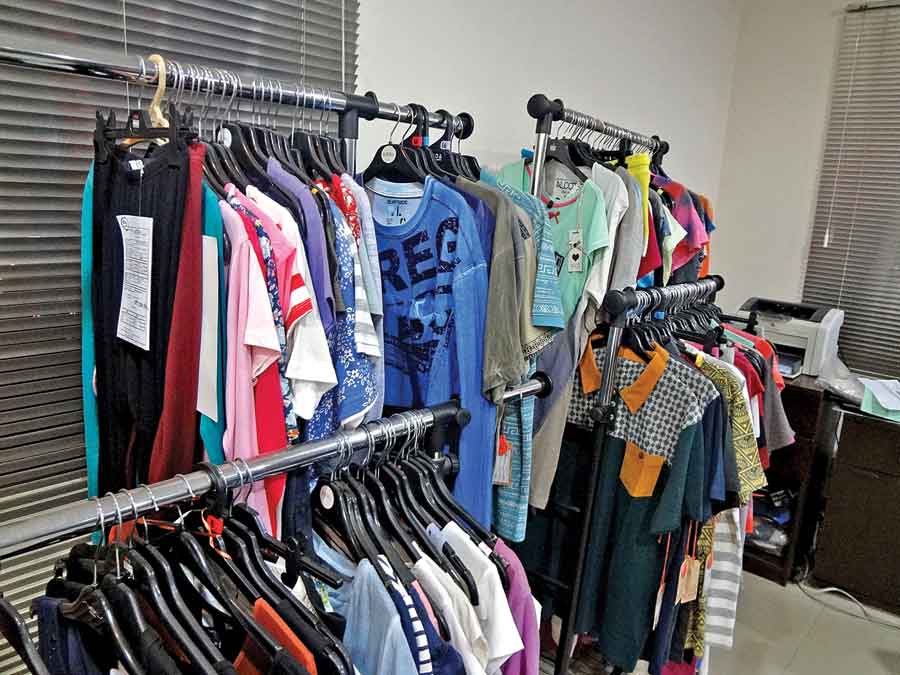
“Bangladesh is still basic volume business for us and only 40% of that would include garments with different types of washes and tie&dye, from a minimum style trial order of 300 pieces to over 3,00,000 pieces, wherein even 4,000 to 5,000 pieces per style is also acceptable,” avers Ravin who prior to joining Indochine worked with s Oliver, Bangladesh office for almost 4 years.
In Bangladesh, most of the big and established factories have their capacities booked well in advance; according to Ravin for these factories the working style has not changed, but the second rung companies, which do not have firm bookings are now looking at grabbing new business and for that they have become more flexible and are willing to take smaller, value-added orders.
It is a well documented fact that most factories are technologically well equipped, but the problem comes in at the execution and handling of the shop floor because people are still not experienced and educated enough to react quickly to situations. According to Ravin, systems have improved in the last 10 years, but more efforts towards training and education is required. “Be ready to do more styles, lesser quantities and be more flexible, only then the business will grow with Indochine,” says Ravin.
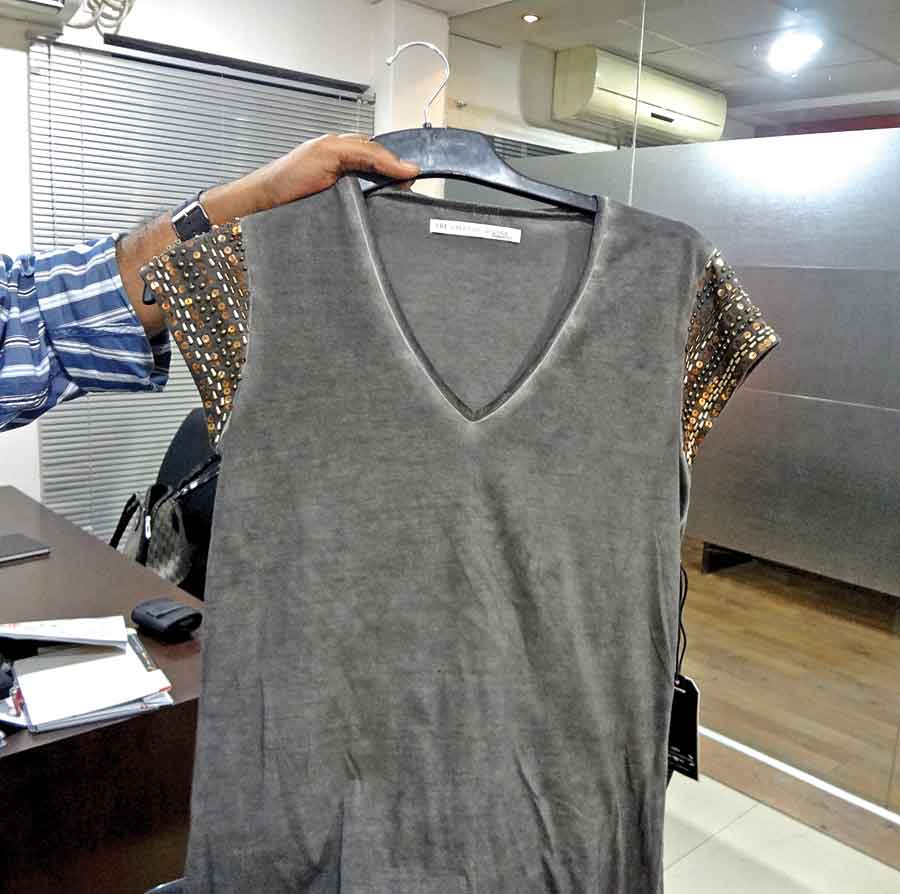
“In Bangladesh we do not do much of handwork, but we do add studs, fancy printing like photo prints and discharge prints, fancy washes, laces, machine embroidery… anything which can be done mechanically. Volumes are still on basics from Bangladesh and that is the strength of the country; however since last three to four years the factories have started doing fashion elements in the garments.”
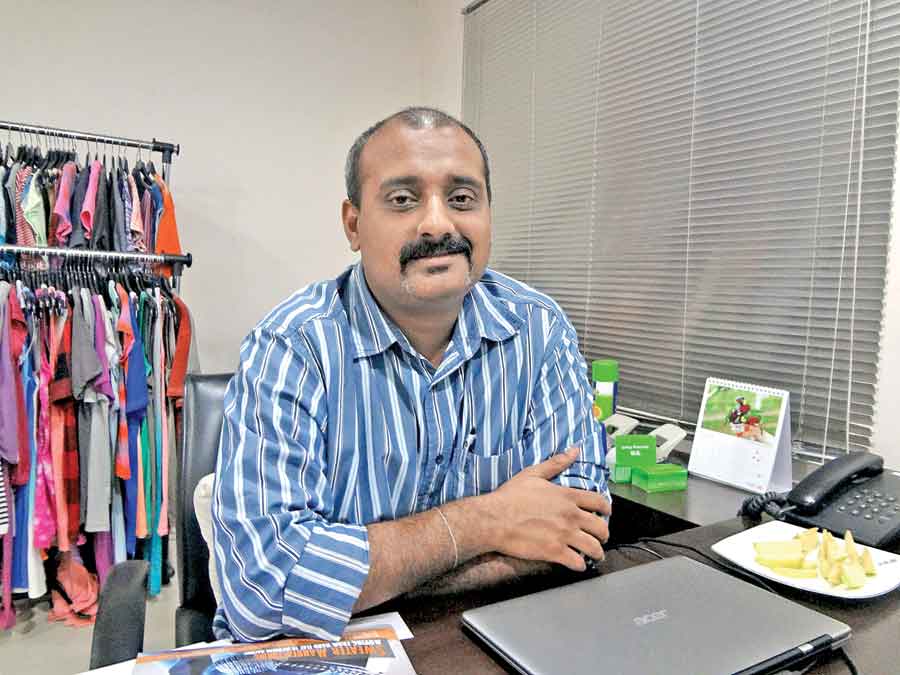
Ravin Shah, Office Manager, Bangladesh Office
While the fashion business is on the increase, there are only a few world-class washing houses to support the business that too with the bigger manufacturing setups. The oldest and biggest is Unique Washing, Gazipur while Babylon Wash is another good plant giving world class washes; having its own garmenting unit too. A very state-of-the-art washing plant that has come up recently is Fa-hami Wash, in Tangahi, further down Gazipur. Ravin is hopeful that in the coming years the issue will be resolved since many more companies are planning to setup washing units.
The other factor which is determining Bangladesh’s value-added approach, is China, which has become expensive for buyers, in fact orders which were earlier placed in China are now being diverted to Bangladesh. Indochine is moving strategically, shifting its fashion styles to Bangladesh and very basic styles to Cambodia. The shift to Bangladesh is mostly in outwear, fashion denim and value-added T-shirts. “We are getting the same quality and designs here in Bangladesh what we were deriving out of China,” informs Ravin.
Indochine is now looking to add more products in the Bangladesh basket like outerwear, which are currently strong in China, Cambodia and Vietnam. It is also planning to spread out the product basket more judiciously, working equally in Cambodia and Bangladesh for basics, as the basic business in Bangladesh will support deeper association with the fashion business, which Indochine is slowly shifting from China. “Though it is difficult to project how much growth this realignment will bring to us, I am hoping to see reasonable growth this year,” concludes Ravin.