Green seems to have become the new slogan of the Bangladesh apparel industry! Amidst growing tribe of eco-friendly global retailers, more and more entrepreneurs are going for green buildings to ensure stability and business growth.
With at least 14 garment factories already receiving LEED certification, and 50 more in the queue to acquire the same by having cleared selection criteria already, more than 150 factories are expected to obtain the coveted accreditation by the end of 2016.
LEED or Leadership in Energy & Environmental Design is a green building certification programme that recognises best-in-class building strategies and practices, and to receive its endorsement, building projects need to satisfy various pre-requisites and earn points accordingly to achieve different levels of certifications from the United States Green Building Council (USGBC).
Apart from the much-needed image makeover, especially in the aftermath of a string of accidents which have put a question mark on the safety scenario of the RMG manufacturing units, benefits of green buildings are several, which include reduction of energy consumption by more than 24% and water consumption by 50%. Particularly when Bangladeshi garment manufacturers have started dabbling in high-end products, green initiative could prove to be a potent confidence booster, as LEED certification is an obvious indicator of good compliance and environmentally safe procedures. Keeping this in mind, Bando Designs Limited, Brandix Casualwear, Sparrow Apparels and Plummy Fashion Limited (PFL), all have decided to take the green route. While Bando is setting up a green facility and aspiring for a Gold certification, Brandix Casualwear already has a LEED-certified Platinum-rated facility; Sparrow Apparels is a Higg Index 2-certified apparel manufacturing unit, and PFL the first LEED-certified Platinum knitwear manufacturing unit.
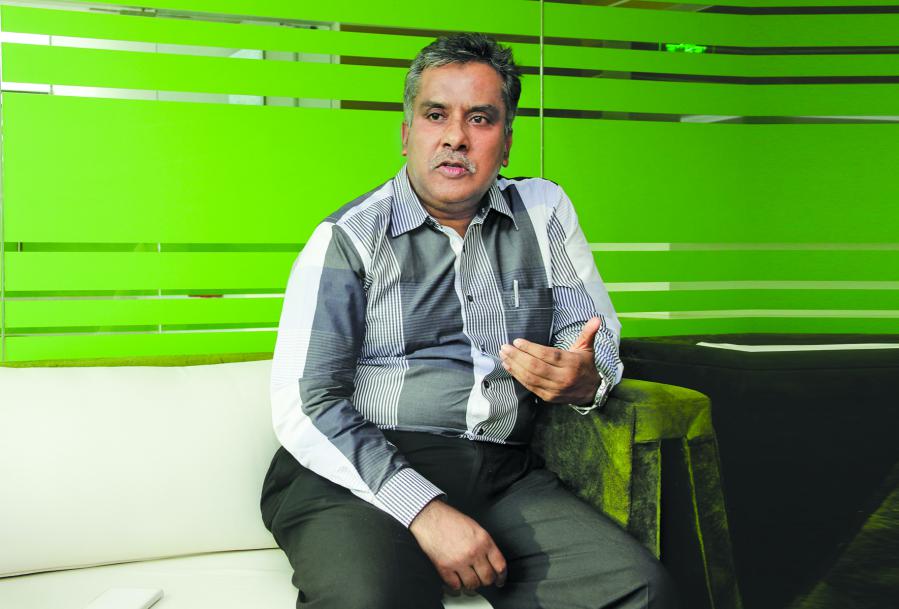
“There is no doubt that a Green Certification makes us one among the preferred suppliers, but our going for green is more to do with our concerns for efficient and economical production, and the concern for the society,” says Asela Fernando, Executive Director of Bando Design, and similar views were expressed by all others.
“We’ve already started planning for our upcoming green factory which will house 1,800 sewing machines and 30 sewing lines. Our target is to get Gold certification,” observes Asela, adding, “The green facility will have interventions like rain water harvesting and sky lights that will not only help reduce running costs, but also minimize impact on the environment.” To be established at an investment of US $ 15 million, Bando’s green facility will be spread over an area of 6 sprawling acres of land.
Equipped with 1,400 sewing machines and spread over 256,000 square feet, the singlestorey manufacturing unit of Brandix Casualwear – the Bangladesh arm of the Lankan conglomerate Brandix Group – besides being a Platinum-rated green factory, has also been awarded the M&S Eco Factory Attribute in 2012, making it the first factory in Bangladesh to achieve this milestone. Brandix Casualwear’s Comillabased factory attained an astounding 93% score in the audits conducted by M&S for this certification, which the company was able to achieve by reducing its energy consumption by 27%, carbon footprints by 60% and water consumption by 45%, along with recycling 95% of all its solid wastes. All the waste water generated by the plant is treated in an ETP, which boasts of chemical as well as biological water treatment mechanisms and has a total capacity of 960 cubic metres per day. The treated water is subsequently used for landscaping and flushing. This along with low-flow toilet fixtures and self-closing taps, have reduced the overall water consumption by 50%. Also, by using over 100 skylights and LED task lights for each machine along with the highly-efficient T5 tube lights and Evaporative Cooling Systems, Brandix has been able to reduce total energy consumption by 45%. The manufacturing unit, which employs 3,000 associates, has also been approved by Gap Inc. and H&M in addition to its compliance with Marks & Spencer’s Environmental and Chemical Policy (ECP) standards and best practices.
“The pioneering effort of setting up the first eco-factory in Bangladesh demonstrates that an intelligent focus on energy, lighting, insulation, water and waste management can bring in a saving of about 20 to 40% in energy cost. Brandix Bangladesh has shown that intelligent factories can be set up in any part of the world,” observes Najeeb Sayed, Head of Region for M&S South Asia Sourcing Offices.
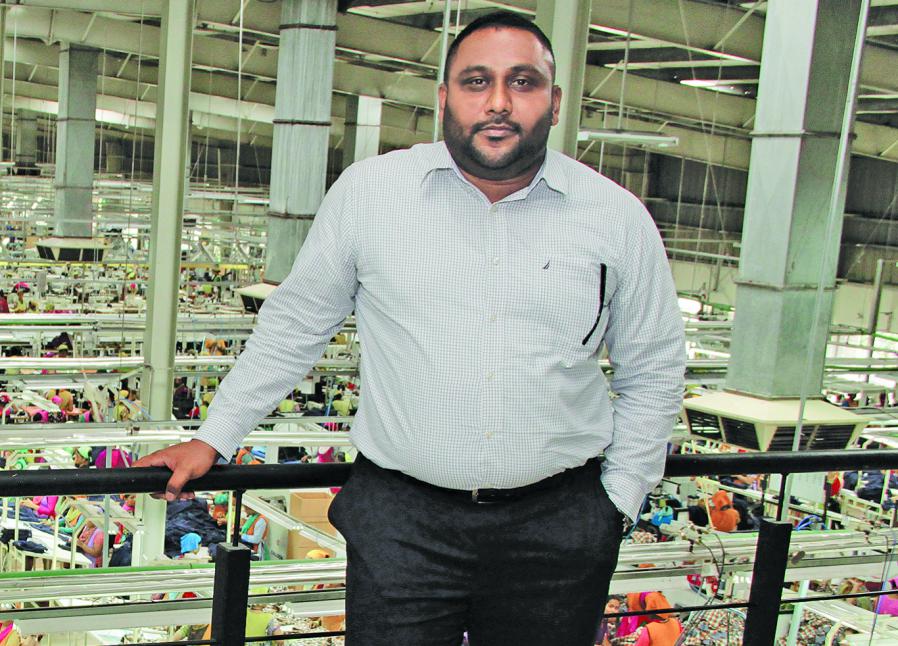
Situated at Narayanganj and spread over six acres of lush greenery, and landscaped gardens, the 600 plus-machinestrong Plummy Fashion Limited with 85 points is planning to add 7-8 more points to its kitty which will make PFL the highest point-earned green facility, cutting across sectors and geographical locations. Built at a cost of US $ 20 million, PFL’s complex with four two-storey building complexes along with two single-storey chemical and fabric stores is equipped with state-of-the-art energy saving equipment and materials like roofing materials with Solar Reflecting Index (SRI) of 79, hardscape with light coloured paving blocks to reduce heat island effect, CFCfree refrigerants for chillers and evaporative cooling system (which uses 50% less power than the conventional ones), sewing machines equipped with servo motors (that require 50% less energy than the conventional sewing machines), LED tubes of 1,000 lux, 44 signature series prismatic dome skylights for ambient lighting during the day (ensuring additional 30% energy saving), 65 KW-capacity solar power plant (one of the largest solar energy plant in Bangladesh) to meet at least 13% of the unit’s total power requirement, water closets and faucets with restricted flow rate of 1.5 litre per minute (to reduce water usage by up to 60%), rainwater harvesting and landscaping with locally adaptable plant species to ensure demand for irrigation water is reduced by up to 60% to 80%.
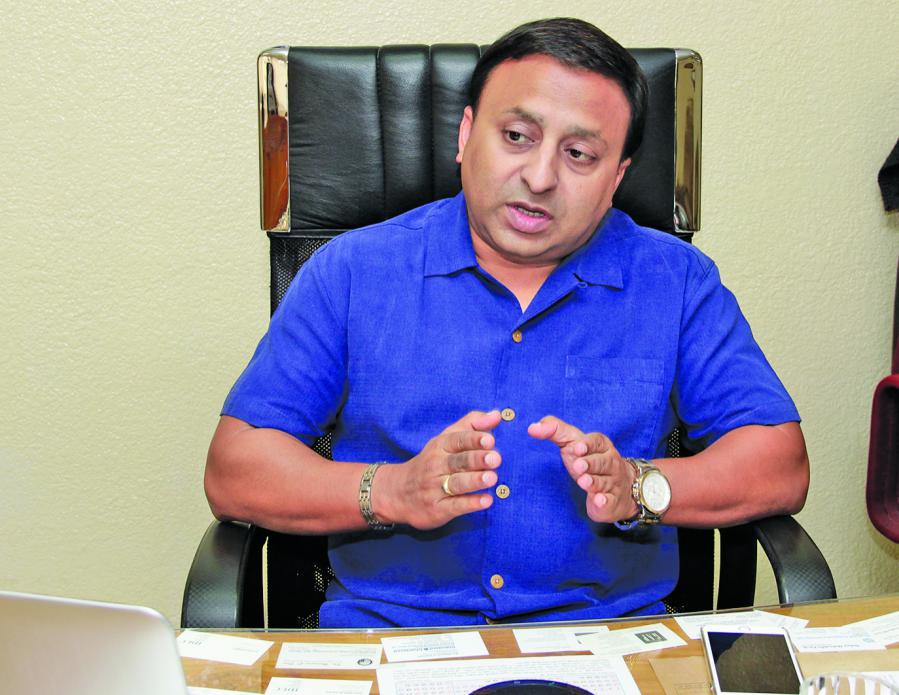
“This green effort of mine is a small endeavour to encourage others to come up with such facilities that would help change Bangladesh apparel industry’s image,” maintains Fazlul Hoque, PFL’s Managing Director, who has introduced the novel concept of lifestyle centre for his workers housing a day care centre for children, a large dining hall, spacious prayer hall, worldclass training centre, etc., and is almost a zero carbon emission building designed under the USGBC guidelines.
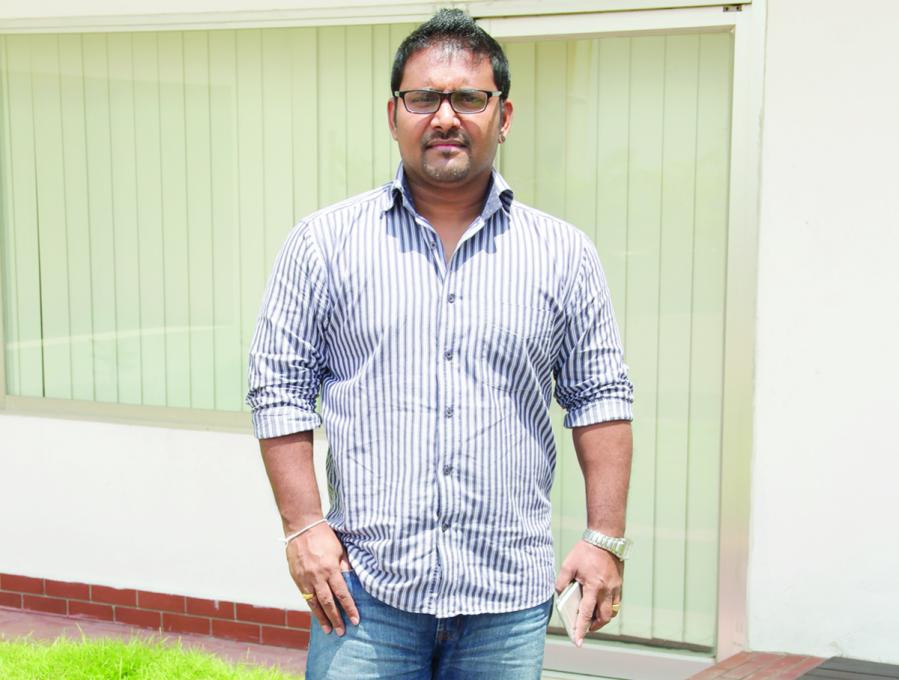
Producing 700,000 bottoms, 500,000 shirts and 200,000 ladies tops per month, the 2,300 sewing machine-strong Sparrow Apparels is currently a Higg Index 2-certified factory (launched in 2012 and developed by the Sustainable Apparel Coalition, a non-profit organization, Higg Index is an apparel and footwear industry self-assessment standard for assessing environmental and social sustainability throughout the supply chain) which has vowed to reduce its energy consumption and emission of greenhouse gases by 32% before the end of 2015, without disturbing its expansions that would take place during the period. Sparrow has pledged to save US $ 118,313 and reduce CO2 emissions by 1300 kg, by investing US $ 310,000 in various interventions to achieve the target. “By becoming a Higg Index-certified factory we have understood all our energy requirements and its related impact on the environment. As such we are not only monitoring the impact but also trying to reduce it to the best of our abilities,” maintains Shovon Islam (Shawn), Managing Director of Sparrow Apparels adding, “We have to record the environmental impact, recognise areas of immediate reduction as far as water and energy consumption is concerned, and invest on machines that consume lesser power and water.”
Replacing the bellying washing machines with front-loading washing machines that spray water instead of filling the tank with water completely, using energy-efficient servo motors for sewing machines, installation of heat recovery systems, steam traps on iron, changing the wiring system to reduce loss of electricity, using gas-fired boiler with water softening plant, installing solar panels to satisfy 12% of the factory’s energy consumption and replacing all lighting fixtures with LED and T5 lights, are some of the initiatives taken up under the Higg Index by Sparrow Apparels.




 Bharat Tex Special Report 2026