 Among the core programmes that most leading brands and retailers run are bottoms, which include a wide variety of products from casual bermudas to high-end formal trousers. In 2012, the US imported 250 million dozen bottoms worth US $ 17.5 billion, second only to T-shirts, of which Bangladesh accounted for around 32 million dozens, while India exported only 4 million dozens. The difference in the export volumes speaks loudly of the strength of Bangladesh in the bottom category, yet many exporters in India are finding value in the category manufacturing for high-end brands which are looking for classic stitching and are willing to pay the extra cent, views Team Apparel Online in its analytical mood.
As in most other categories, India does not and cannot compete in the volume market in bottoms, with cost of production being too high as against other low-cost countries for mass retailers to justify sourcing. Right from the cost of fabric to the labour cost, the difference is too huge for buyers to overlook. On top of that India lacks scales to give bulk volumes in lower-end products.
It is ironical that while India has the backward linkage for bottoms with most of the fabric used in the category being available in the country, the growth of the segment has been very slow and Bangladesh, mostly dependent on imported fabrics, remains far more competitive. No doubt, India has many mills which manufacture greige fabrics suitable for bottoms, but only the bigger mills are equipped with in-house dyeing and finishing facilities to match finished fabric standards set by the buyers. In case of smaller mills, the finishing processes are generally outsourced which leads to increased lead time, cost and inconsistencies in quality. While the import regulations on imported fabrics are stringent and long drawn out, it is a deterrent for Indian manufacturers from using Chinese fabric even if it is cheaper than fabrics from Indian mills. Also the quantities demanded by the buyer do not justify getting into the long and tedious import documentation procedure.
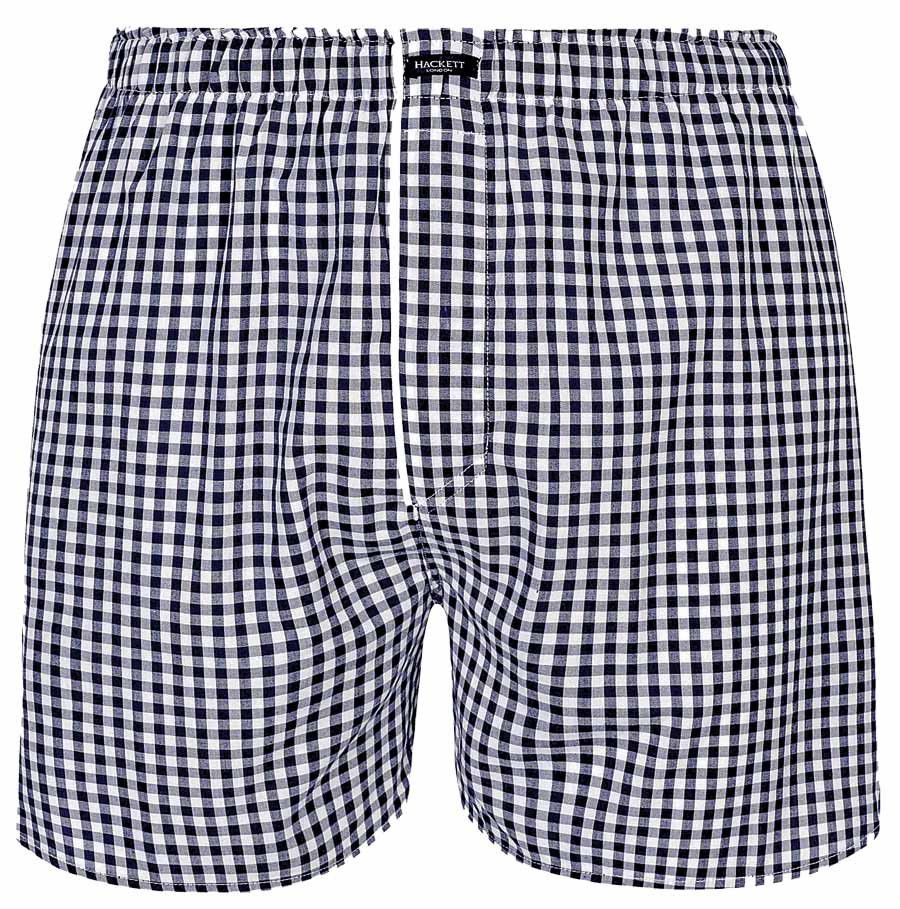
Low-value casual shorts/boxers
All kinds of basic yarn dyed shorts, madras shorts, surfer shorts, sleeping pyjamas and boxers comes under this category. In the early 90s cotton made madras check shorts and powerloom fabric casual shorts were a rage in the global market and a lot of shipping was done from India. 100% cotton and its blend with 5% spandex, polyester, plain weave, ranging from gsm 200-250, yarn dyed fabrics were generally used to construct these low-value casual shorts. Even today, mills like JCT, Alok, Sintex, and Ashima manufacture 40s poplin, 100% cotton, 120×80, 56” width and yarn dyed fabric suited to this category, but the prices have increased substantially from US $ 0.90 to 1.15 per metre to anywhere between US $ 2 to 2.50 per metre, and along with increased labour cost, the total cost of a pair of shorts is now between US $ 4 to 4.5 – US $ 5 to 5.25. In the meanwhile, the buyers facing competitive retail conditions have instead of increasing prices have actually lowered the brackets from US $ 5.25 to 5.5 – US $ 3.75 to 4.25, making Indian manufacturers lose business to cheaper destinations like Bangladesh. One of the prominent buyers that was earlier doing good volumes from India, but has now shifted its entire boxer sourcing to Bangladesh and China, is American Eagle, as these centres are manufacturing at US $ 3.9 per piece.
But all is not lost and Indian exporters in an effort to retain value are now focusing on high-end brands in the category like shorts, though in the early 90’s before the Bangladesh juggernaut rolled, the companies were known for manufacturing boxers for the international market. Today the companies still manufacture boxer shorts but for many high-end international brands such as Abercrombie & Fitch, Marks & Spencer, Debenhams and few more, but the lower-end of the market is no longer with them. Besides Matrix Clothing the largest player, other manufacturers from India in this category include names such as Gokaldas Images, Gokaldas Export and Shahi.
With changing trends, a great demand can be seen for polyester “Dazzle shorts”, available in various colours. These shorts are made of 100% Nylon warp knitted tricot fabrics which produces a shiny appearance. This fabric has always been the speciality of Taiwan. India JCT is the only mill manufacturing this type of fabric at US $ 1.6 per kg, but again the price is not sharp enough.
Middle market casual bottoms including jeans
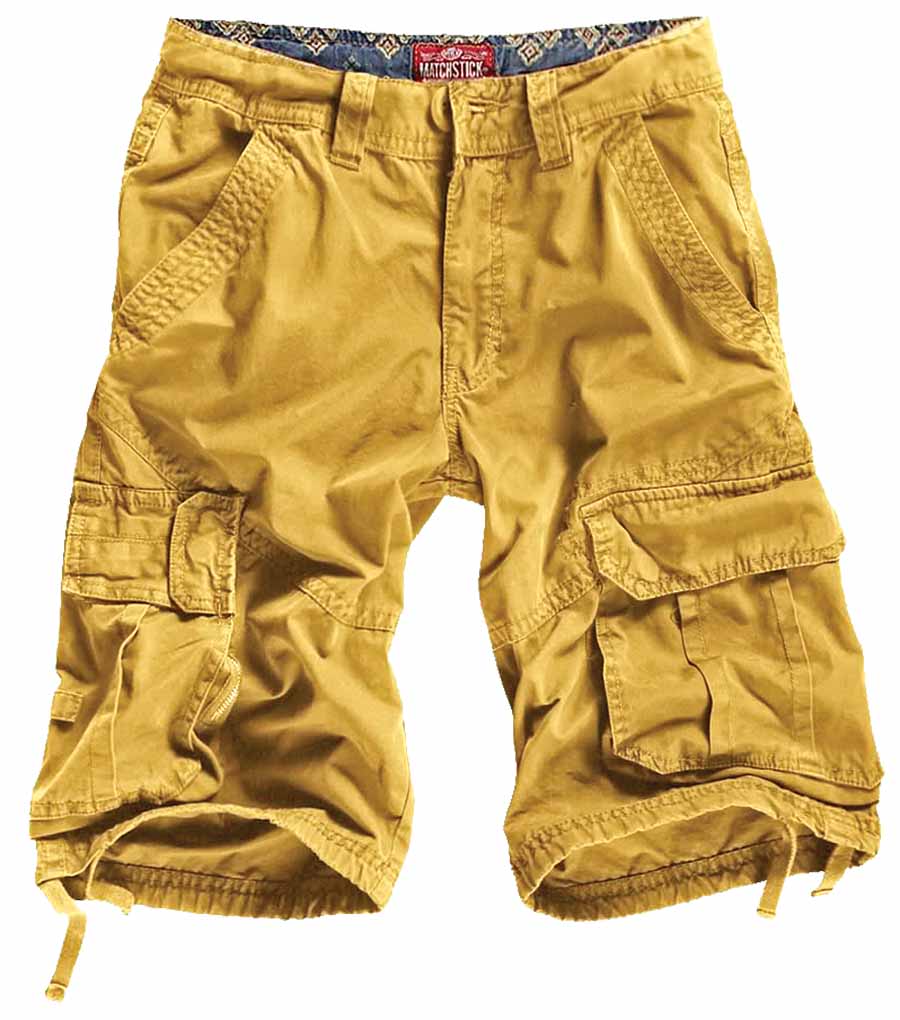
India has never been competitive in good casual bottoms which are chino shorts and pants in twill and canvases with different types of washes. This is due to two major reasons – higher priced local fabric and absence of scales as demanded in casual bottoms. The fabric used in this category is basically twill and canvas, both of which are un-competitively priced in India and are available in internationally acceptable quality with only few companies like Arvind, Ashima, BRFL, Vardhman and Nahar. The 100% cotton 16×12 peach twill 250-270 gsm, solid dyed fabric is priced at US $ 2 to 2.5 per metre compared to US $ 1.6 to 2 per metre of similar fabric from China. Price for similar fabric with heavy counts used in making heavy weight cargo shorts can go up to US $ 3.30 per metre in India. Canvas 100% cotton fabric with 20×20, 20×10 and 20×16 weave is priced between US $ 2.30 to 2.90 per metre, depending on the type of weave.
Other than price, problems in fabric also include too many shade lots in the bulk and uneven length in a roll, making it very difficult to work with such mills. Arvind Mill’s standard quote is 60 days after lab dip approval for yarn dyed fabric and JCT asks for 40-45 days for solid dyed fabrics, leading to increase in lead times. On the other end, China does lab print within 7 days and it takes approximately 12 days for approval and within 30 days the bulk fabric is ready for delivery in rolls, which are to exact measurement. Another area where India needs to gear up to meet the world fashion demands, is the various types of construction available in twill and canvas fabrics, which are currently very limited.
 Being a staple on the shelves of international retailers, casual bottoms like cargo shorts and pants are required in large quantities, but even the largest export houses in India such as Gokaldas Exports, Gokaldas Images, Ambattur, Shahi lack economies of scale and infrastructure to handle mass orders. In mid 90s, Gokaldas Images, Shahi, Leela Lace, Koromandal Garments in Chennai and Texport in Mumbai used to sew casual bottoms from the fabric sourced from China only. But later, few of them closed down operations, while a few other companies moved to doing upmarket shorts and pants for brands like Ralph Lauren and Abercrombie & Fitch.
In the current scenario, a factory in India would charge US $ 8 to 9 for a 20×16 twill cargo short with 4 bellow pockets, enzyme washed double needle stitching, whereas the buyer is not ready to pay more than US $ 6.25.
Similarly, for a plain cargo shorts with no pockets, Bangladesh would charge US $ 16 to 18 for a dozen, whereas in India it is US $ 36 a dozen, almost double.
To counter balance the cost of manufacturing, many Indian exporters are targeting high-value buyers from Europe and US market. Companies like Bombay Rayon and Gokaldas Images are working for brands like Ralph Lauren, Abercrombie and Brooks Brother. The bottoms are generally retailed at more than US $ 80 and are smaller in quantities, so they can afford the Indian FOBs.
Four Creations is an export house based in Bangalore, manufacturing upmarket denim and non-denim bottoms for premium American brands such as Diesel and Nautica. To impart the latest effects and washes on the bottoms such as water repellent finish, enzyme wash, laser effect and many more, the company has its own laundry and washing unit equipped with up-to-date machineries. The garments are retailed at a range between US $ 100 to 200, thus can afford a high FOB of US $ 10 to 15 per garment.
Casual jeans…
One category in which Bangladesh has really prospered is denim jeans. With huge vertical setups and large capacity manufacturing units, denim has emerged as a key product for the country that’s enjoying a 28% share in the men’s market and 19% share in the women’s jeans market in Europe. The country today has 9 vertically integrated denim units, which includes Partex, Beximco, Hameem, Opex, Royal Denim, Sha Sha, Bengal Denim and Mahmud Group, which combined together, produce approximately 150 million metres per annum, catering mostly to volume and basic merchandise buyers like Walmart, GAP and H&M, but now also are in a position to service M&S, C&A, Zara, Next, Lindex, Nautica, Tommy Hilfiger, Wrangler and Lee.
Despite having a strong denim fabric base, India has not developed into a complete denim chain for the international market and the reason being lack of investment in setting up factories with huge manufacturing capacities which can satisfy global denim jeans demand. The cost of manufacturing a basic 5 pocket washed pair of denim in India is approximately US $ 2 to 2.9, almost double the price of Bangladesh at US $ 1.25 to 1.4, the reason for the price difference being higher labour cost and stringent environmental rules in India to setup ETPs, which leads to an added cost at the washing stage. On final costing, a pair of jeans that works out to US $ 5 to 7 in Bangladesh would cost over US $ 10 to a buyer sourcing from India. Catering to premium and high-end market, only a few companies in India such as Gokaldas Images, 4 Creations, LT Karle, Shahi Exports, FFI, Prateek Apparel, Orient Craft, Pearl Global, Alrkyan and Raymond have dedicated lines for jeans manufacturing.
Formal bottom wear
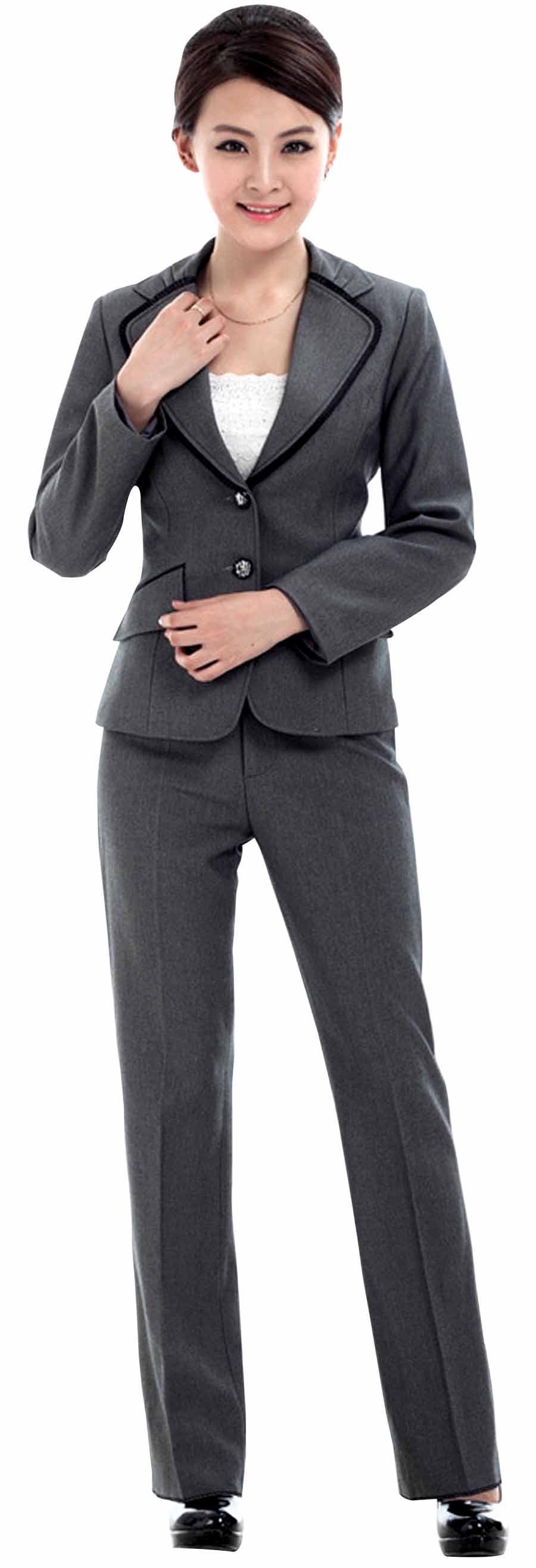 The third category of bottoms is formal wear, which is like dress made trousers worn with blazers and suits. The fabric mainly used is Modern TC (Cotton Rayon blends) fabric and wool polyester blends. Available in 65% cotton and 35% polyester or 70-30 composition, 4/1 satin weave, the TC fabric is available at US $ 1.8 to 2.4 in India. Also, Polyviscose fabric is generally seen in dress pants. Polyester (35%) and viscose (65%), 230×230, fibre dyed fabric is available at US $ 2.50 per metre and can go up to US $ 3.80 per metre for higher counts such as 250×250. Similarly, for poly (85%) wool (15%) fabric, as the wool percentage is increased pricing can go from US $ 3.5 per metre to even US $ 11.50 per metre. Companies like Reliance, Rajasthan Spinning, Arvind, Raymond and OCM do a lot of materials for the classic range of trousers but the prices are not competitive enough as compared to China. These fabrics are double dyed fabrics and thus cumbersome to do in small quantities. China on the other hand is equipped with greater capacities and infrastructure to carry out such processes with ease, hence gives lower lead times and better quality.
Only a couple of factories such as Gokaldas Images, Silver Crest, Raymond and Siyaram have state-of-the-art manufacturing units, which are very good, with CMT cost up to US $ 3.80 per piece. For manufacturing formal pants, a certain minimum number of machines are required to make the factory work efficiently as there are around 57 operations involved in the manufacturing of a basic trouser. Few factories running with just 200 machines were forced to shut down because they all failed to achieve productivity and economies of scale.
In Bangladesh, the units dedicated for formal trouser sewing are not so many in numbers and generally booked for a year in advance and hence doesn’t meet the world trouser’s demand. Some of the companies that are now enhancing capacities are New Age Group, Ananta, FCI and East West Industrial Group.


 Bharat Tex Special Report 2026