In the last few years, experiential activities have become a hot-bed for all levels of spending. But fact is, the travel retail business model came to life only because of this phenomenon. Yet, many argue that this new millennial preference for vacationing over material buys is also the reason behind retail’s downfall.
However, an interesting outcome of the tourism industry’s growth is also the advent of new and exotic retail destinations. Offering huge potential to a plethora of different retailers, shopping is slowing becoming one of the main aspects that people consider before deciding where to go on a holiday.
A recent report published by Allied Market Research discovered that the travel retail market was valued at US $ 69.5 billion in 2016, and is projected to reach US $ 125.1 billion by 2023, growing at a CAGR of 8.9 per cent from 2017 to 2023. The report further reveals that in terms of shoppers, after Middle East, China is the leading shareholder from the Asia-Pacific region followed by US and Russia. Whereas in terms of markets, Europe currently leads the game due to its strong luxury product offering.
For retailers, travel-retail is a massive opportunity as not only is it easier to entice someone already in a mood to explore, to walk into a store, but to also meet people in their happiest and most relaxed state of mind. Touristic retail spots also have the de-facto experiential advantage, thanks to being surrounded by a shrine of new activities and cultural newness that realtors often try to recreate in shopping malls.
CRACKING THE TOURISM CODE
Tourism retail is forecasted for exponential growth but has its own challenges as well. For example, in order to go open a shop, you need to understand the psyche of the touristic visitation of that city – are your ‘tourist shoppers’ travelling with an intent to shop, or are they indulging themselves as they discover the locale?
A little research goes a long way! – knowing your shopper is integral to this model of retail and brands must create heavily curated assortments to stock in their destination flagships, otherwise it will be massive failure. “The global travel market is a fascinating, ever-changing crossroads of humanity for legions of people on the move. Many of them are from key emergent markets, and consistently high spenders in shopping terms. The Chinese are the most obvious examples but there are many others from Russians to Indonesians to Nigerians and so on,” says Martin Moodie, a travel retail industry expert and founder of The Moodie Report.
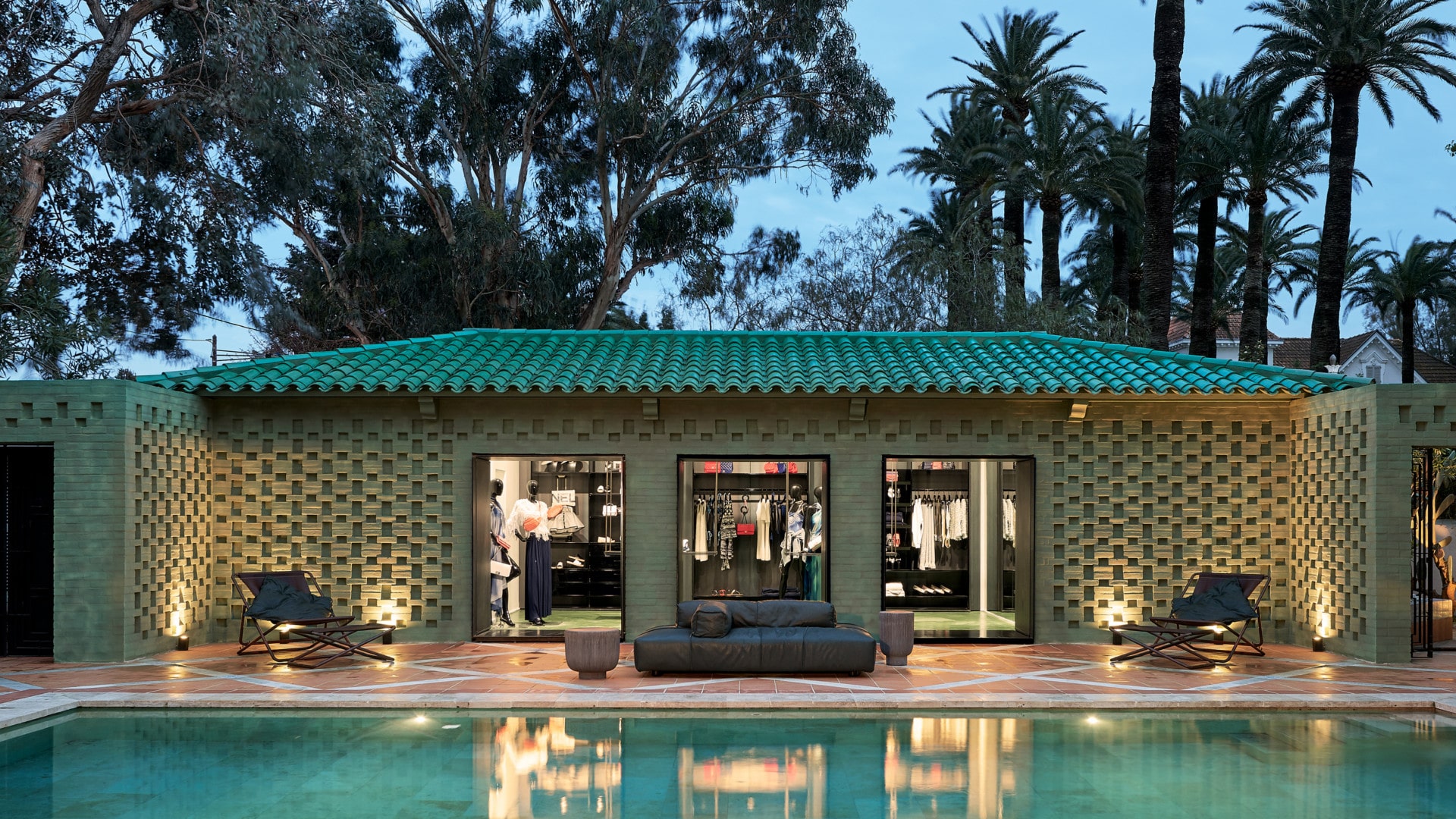
To illustrate, take young Australian label Zimmermann that just opened a boutique in the little islandic town of St. Tropez, joining the likes of Gucci, Miu Miu, and Phillip Plein. Nicky Zimmermann, founder of the buzzy new high-end brand explained the location choice saying, “A lot of the south American girls, they’re in our Miami store in Bal Harbour and then they’re in Saint Tropez on holiday and there’s a real connectivity; the city where they shop and then with they holiday.”
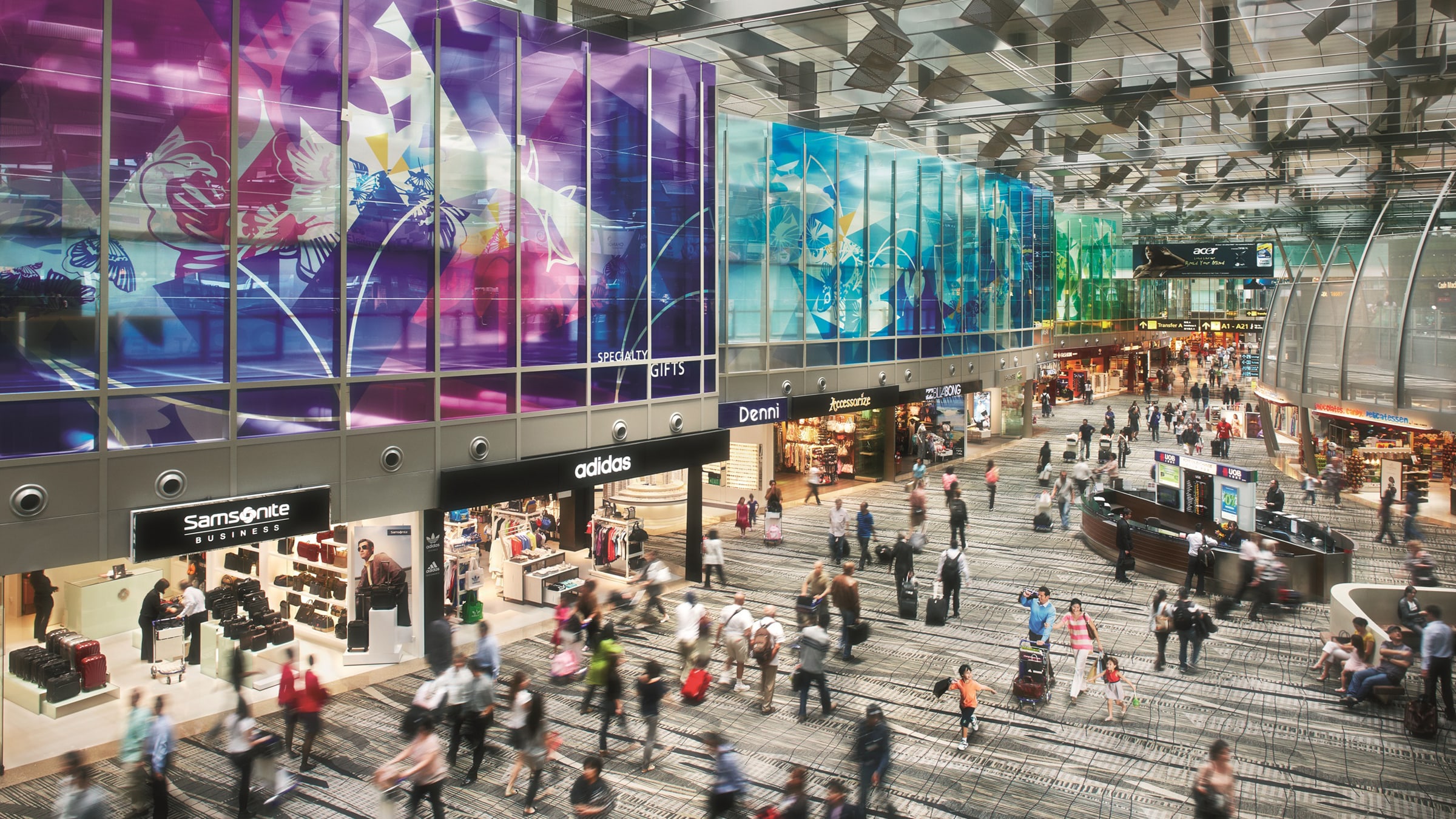
From Prada’s travelling pop-up that debuted in Macau before moving onto other far flung cities to Chanel and Dior announcing a temporary shop in Mykonos, Greece earlier this month – luxury brands have always known where to catch their shopper in the best mood! This is why certain international airports with heavy transit visitors such as Dubai, Sydney, Heathrow, Hong Kong, Singapore (Changi), Incheon, and even Helsinki (with its East-meets-West placement) are home to some of the best luxury spaces in the world.
THE ASIAN TRAVEL RETAIL OPPORTUNITY
Zooming closer home, the situation only gets better as 3 Asian nations come out in the top 5 countries with the highest number of overseas travellers, according to projections of the International Air Transport Association.

Surprising no one, IATA’s research says China is set to outpace US in these numbers, while India and Indonesia follow closely behind. With the total passenger count set to reach 8 billion by 2020, the travel retail boom is no joke.
There are two main threads to this opportunity – one is of course the Chinese travellers who are infamous for big budget spending and the second are millennials who are easiest to target through this elevated experience of retail.
A recent report from Agility Research reveals that travel is booming, but the shopping patterns of many of these tourists largely stay limited to Asia. The most shopper-favoured cities in Agility Research’s report came out to be Hong Kong, Tokyo, and Osaka, with Japan in general being the favourite for affluent, spendthrift Asians.
Figures from Statista also corroborate the same voice as 28 per cent of the travel retail sales worldwide were centred in the Asia-Pacific region in 2016. In addition to this, APAC occupied more than 1/3rd of the market share in 2017, growing at a CAGR of over 11% in the period, according to a report on ResearchandMarkets.com.
Amrita Banta, MD, Agility Research says, “Luxury shopping has seen a steep rise in Japan [perhaps due to declining value of the Yen]; however, luxury brands need to appeal to the travellers as a whole so they connect with them and can be a preferred choice at home and abroad.” The report further advises brands to offer personalised experiences, especially for Chinese shoppers with services like Chinese speaking staff, ability to communicate on WeChat and so on.
Surprise, surprise! A little more unexpected opportunity is Maldives which is said to be top most planned-for-the-future travel destination for the Chinese and is already popular within the Indian subcontinent, according to several sources. Since the popularity of Maldives is not attached to its shop-ability allure but rather as an exotic place to visit, this will be a key place for luxury brands to expand either through pop-ups or shop-in-shop concepts in the coming years.
DON’T WAIT FOR THEM TO COME
Though it is very clear that passenger count is on the rise and will continue, brands must not expect visiting tourists to naturally stray into their shop. Travel retail fills a big gap in physical retail that the digital giants like the Amazon and ASOS of the world still cannot, and that is the offer of human engagement, feeling, and multi-sensory experiences.
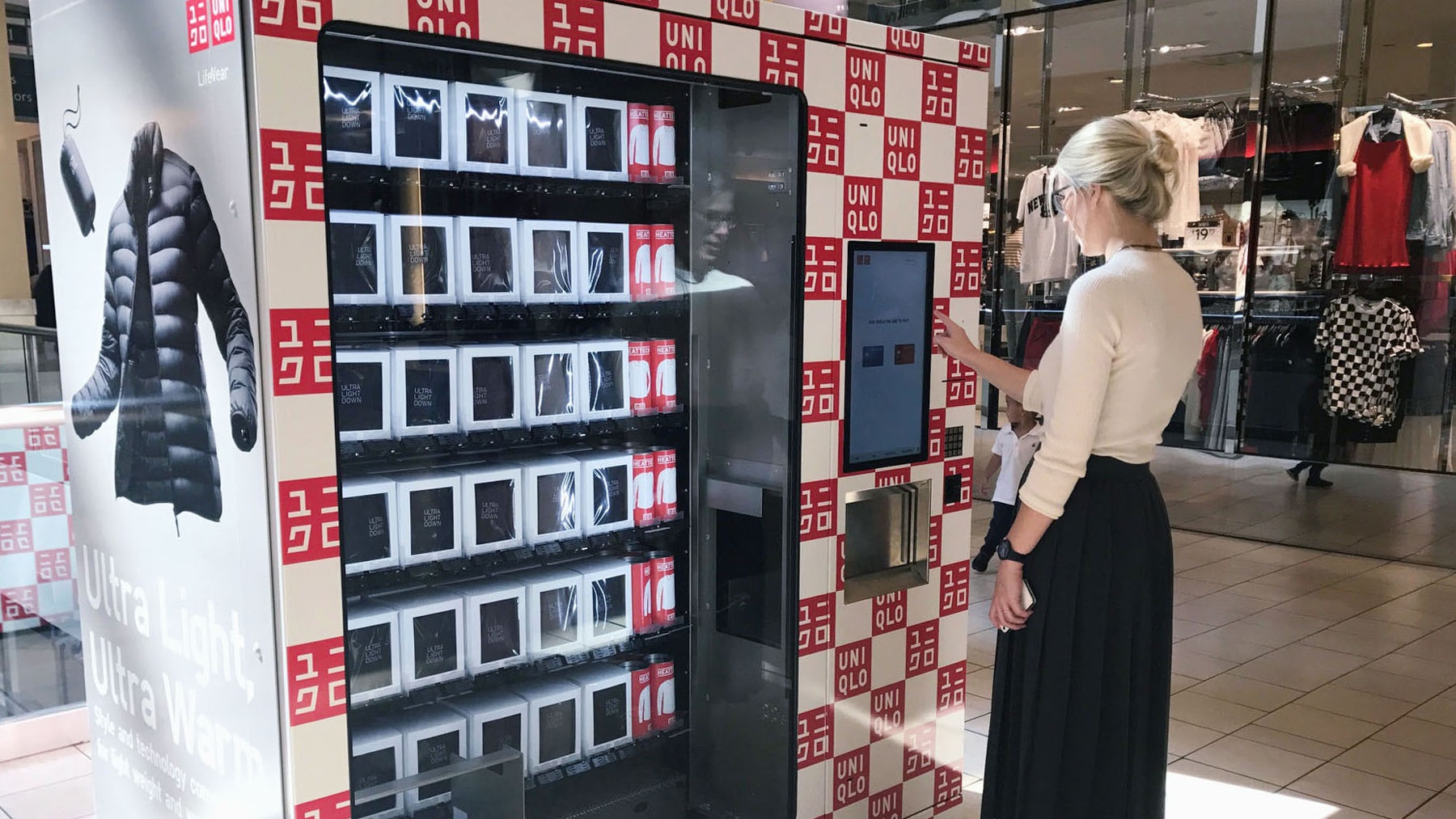
However, in order to truly capture prospective consumers and maintain a long-standing relationship, brands need to go a step further. Especially in the case of digitally-native millennials and its younger cohort Gen Z, it is important to integrate technology into the system and create a valuable affiliation that she/he takes back home.
Personalisation is one such value addition that works for both- gifting and personal use and can be a great attraction for every guest. Consider- simple, quick to implement options like engraving, embossing, calligraphy, size alterations, or simply clever personal stylists that enable fast decision making.
Implementation of technology is a must and this can mean anything from creating a social media hype to things like smart mirrors and the use of iBeacons. Isabelle Fourmentin, CEO, JCDecaux (Paris Airport), a transport-focussed advertising firm, explains, “We’re working on hardware that gives brands the opportunity to engage with potential customers in their own language. So, based on the relevant departure time, a brand can create a specially-tailored conversations with a target audience. For example, if there is a late-morning flight to China, the advertising language could switch to Mandarin from 10 a.m.”
Additionally, travel retail is the best place to build loyalty programmes by offering travel exclusive discounts and offers that pre-target prospective travellers going towards a certain destination. This means that airlines, airports, and retailers have to work together towards creating seamless and effective points of sale from on the land to the skies.
The main idea behind attracting a ‘tourist shopper’ is creating an experience that is hassle-free, quick, and memorable at the same time!





 Bharat Tex Special Report 2026