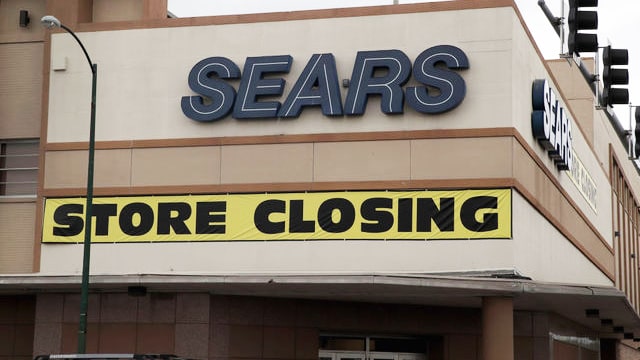
Once America’s dominant retailer, Sears has filed for bankruptcy and announced immediate closure of its 142 stores nation-wide. Unable to pay $134 million in loans that had come due, the retailer lagged behind many of its competitors as limited finance hindered investment and revamping of its stores.
With the announcement, came the resignation of the company’s CEO Edward Lampert, though he remains chairman of the board.
Meanwhile, a new office comprising of Robert A. Riecker, CFO; Leena Munjal, Chief Digital Officer, Customer Experience and Integrated Retail; and Gregory Ladley, President of Apparel and Footwear, will oversee the day-to-day operations.
Sears aims to go for a restructuring process. While the company tried to go with a comprehensive out-of-court resolution, it failed to do so “outside the framework of a Chapter 11 process”.
Lampert said, “Over the last several years, we have worked hard to transform our business and unlock the value of our assets. The Chapter 11 process will give Holdings the flexibility to strengthen its balance sheet, enabling the company to accelerate its strategic transformation, continue right sizing its operating model and return to profitability.”
The court allowed Sears to use the so-called new-money portion of its bankruptcy financing towards keeping stores open, paying employees and other standard measures.
The company currently operates in 687 locations and employs around 68,000 people. The bankruptcy filing comes 131 years after Richard Sears moved his business to Chicago. Chapter 11 seems as a last effort to save the American icon ruling the market for over a century.
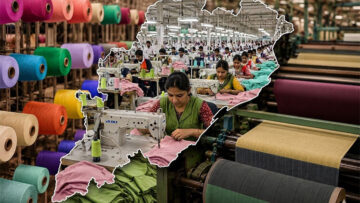
With this, the retail apocalypse that started in 2010 doesn’t seem to be slow down any time soon. The recent proceedings will prove to be a huge loss for Indian exporters, whose payments can be delayed or put on hold, following the development. Also, overall sourcing will also be impacted.