Wherever there is a conversation about the worst hit markets in the world due to this crisis, the apparel industry seems to beat out others by considerable margins. Analysts at GlobalData have even gone as far as to estimate a drop of 15 per cent or close to US $ 300 billion in the global apparel market. The news is worse for mature markets like that of Hong Kong, US and Europe which might not be able to get back on their feet till 2022.
After all, the number of issues plaguing this industry right now seems to be endless. From lack of liquidity, consumers’ inability to purchase due to unemployment and reduced incomes, halted supply chains, having to furlough and lay-off employees, setting up new norms of social distancing as stores re-open and transitioning to a more digital model of business to negotiating exorbitant rents with mall owners, there seem to be countless hurdles to tackle before being able to rise back to the top.
Also Read: Fashion retail industry strategises to move from survival to revival post COVID-19
However, the news is not as grim for all apparel purveyors. As the considerations for a ‘new normal’ set in, consumers are shifting preferences to buy what they deem necessary instead of splurging on outfits meant for the outdoor world. There are some categories that, despite the overall downfall of the fashion world, seem to be thriving as COVID-19 keeps us locked in our homes.
Athleisure leading the way
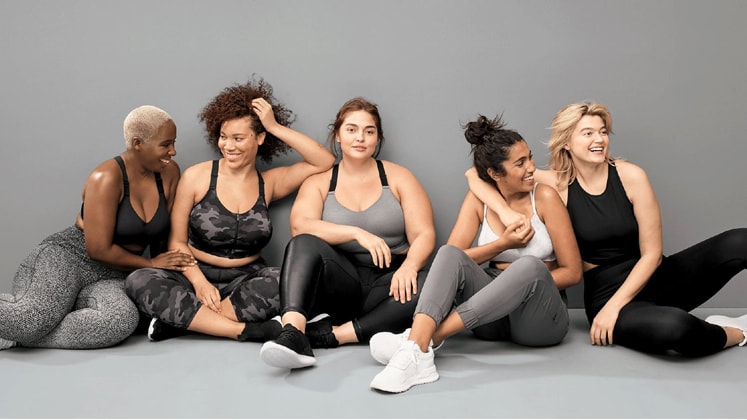
The first category at the forefront is an easy guess – athleisure, active and lounge wear. Editorial product recommendation site Wirecutter, owned by The New York Times Company, has seen a surge in site visits, searches and purchases since coronavirus forced a vast majority of people in the US into their homes. Although apparel is down overall, comfortable apparel as such is a hit on the website.
Athleisure looks have emerged as the uniform of choice for the housebound and activewear brands are benefiting, with increased e-commerce sales helping to partially avoid the economic devastation much of the fashion industry is experiencing during the coronavirus pandemic. Sell-through rates of tracksuits are up 36 per cent this year through March, compared with the same period in 2019, according to UK retail analytics firm Edited, while activewear was up 40 per cent in the US and 97 per cent in the UK year-on-year during the first week of April.
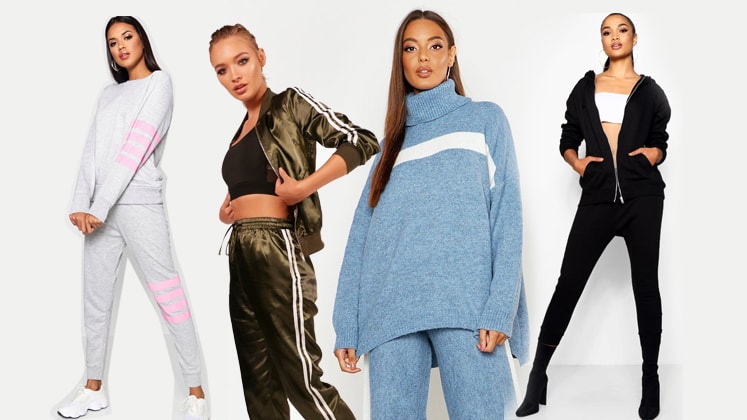
More and more people are getting tired of the oversized tees and ill-fit pyjamas, trading them for more fashion forward comfort. What’s more is that if the sweatshirts and tights are trendy enough, people don’t mind filming TikTok videos or attending important Zoom meetings in them. Boohoo, a Manchester based fashion brand, has been clocking higher sales than last year owing to its homewear categories including tops, hoodies, joggers and tracksuits. According to Yahoo finance, the brand’s sales saw improvement y-o-y in April and its shares rose 5.5 per cent as of 20 April. Their tops in particular have been a hit with consumers as the smart designs are a perfect amalgamation of comfort and chic.
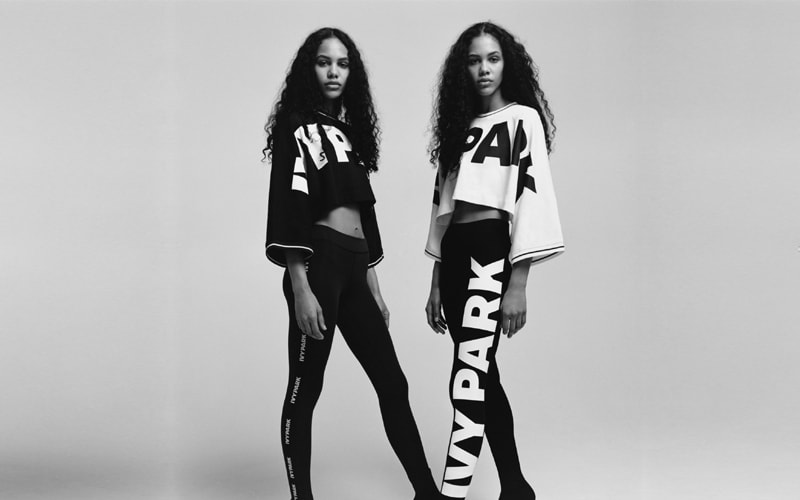
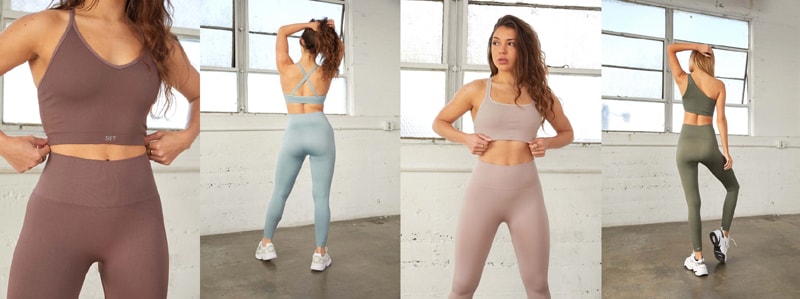
Zalando, Europe’s biggest online fashion retailer, said it had seen strong demand for activewear, leisurewear and nightwear, as well as yoga clothes and accessories, running and training outfits. Another brand not only seeing growth, but also exponential increase in business and consumer base is the small-scale activewear brand SETactive. Now on its way to meet its goal of tripling sales to US $ 3 million by May-end, the brand has also sold 75 per cent of its latest drop within a 4-week period – four times the sales figures of any other drop in the past.
Even big players in this category are not lagging behind as much as their fast fashion peers. Despite the outbreak in China, one of the key markets for Nike, its sales increased 7 per cent in the last quarter. The company said it would use what it learned in the country to navigate challenges in Europe and the US, including an increased focus on digital and customer engagement.

Activewear was already on the path for growth higher than that of other categories before the pandemic hit, but its survival in the face of adversity has renewed interest in entrepreneurs. Slyletica, a brand management agency that aids entrepreneurs in launching their brands, has seen a 200 per cent increase in interest in the field of activewear. In comparison to an average of 200 inquiries per week about the category, it has now risen to 500.
Other categories pivoted for success
While comfort seems to be on everybody’s mind, there are other categories and innovations also dodging slumping apparel sales. A report involving research analysts from various esteemed organisations like BCG, SAC and Higgs Co. predicts for a more sustainable future for fashion post the flat-lining of the outbreak. Sustainability is bound to become a basic expectation across the industry. As discussed earlier in an Apparel Resources article, since fashion and beauty are items considered “close to the body”, a health crisis as such has elevated consumer expectations of the trust they place in a brand. During and after the lockdowns, consumer spending has and will have decreased considerably, leading to more conscious purchases.
“We are doing better this month than we did during Christmas,” Cora Hilts, Founder and CEO, Reve en Vert, a platform selling luxury fashion focused on sustainability, told Bloomberg. “People are shopping more online and have more time to make conscious decisions.”
Also Read: Can omnichannel retailing be a potential solution to combat COVID-19 crisis?
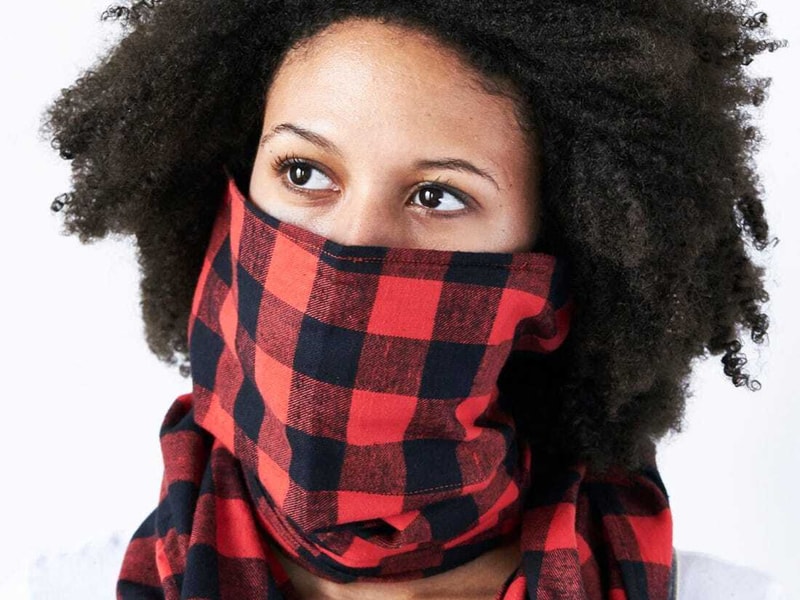
Apart from sustainability, innovations have also been catching the eye of the consumer. Scough, a bandana and scarf maker, is one of the brands that is thriving in the crisis. Their products have high-grade active carbon filters built in, which is similar to an N95 mask but in 100 per cent cotton. The company has been receiving 100 times higher order quantities since January. They have been making masks for 6 years, mainly for people working in places with bad air quality and for those whose doctors suggested they should wear masks while in public. But as that now includes virtually everybody, demand has understandably skyrocketed.
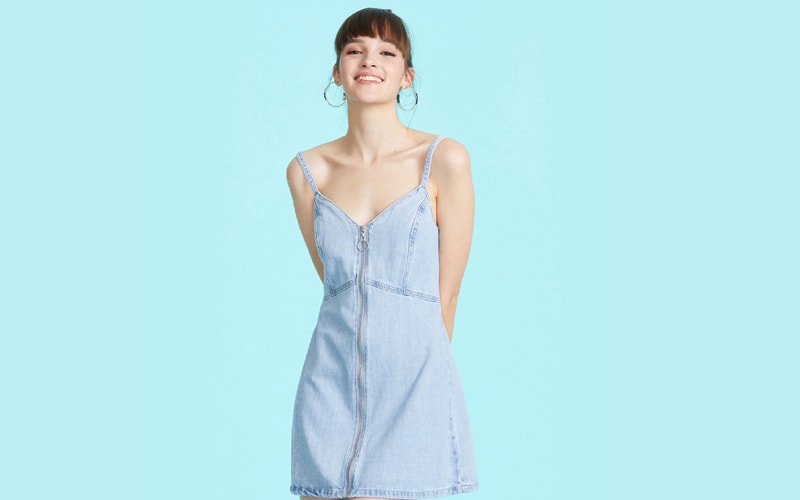
Women staying at home have also increased the purchase of lingerie, sports bras and nightwear. International lingerie and homewear label 6ixty8ight has seen sales double in its homewear category made up of nightwear and loungewear. The brand’s modal pyjamas, sleep shirts and its Supersoft collection of lingerie, among others, are turning out to be the bestsellers at this time.
What lies ahead?
Many companies have had to put their plans to scale up on a back burner while overworking their current factories as demand overwhelms them. And, while the presence of such demand is a positive note at a time like this, there are only so many tracksuits and pyjamas consumers want to buy for staying at home. Brands have to come up with innovations and marketing tactics to keep the momentum going.
Adjusting to the new normal could mean the end of fast fashion in the coming times. Retailers should push capsule wardrobes focusing on a ‘buy less, buy better’ approach. Post-virus, consumers will seek out brands that they align with morally more than ever before, with an emphasis placed on conscious products. Eco-friendly loungewear seems to be a fail-safe way to invest.
As businesses are in overdrive to produce masks, non-medical face masks have risen up as a permanent accessory. Already a mainstay item in Asian countries worn to protect others, face masks as a fashion statement is gaining momentum worldwide during the pandemic.
Changing with the times and adopting the new categories which have stood the test of this pandemic may be the only way for the fashion world to survive. We already know that coronavirus is here to stay for long but it is up to brands to learn to profit off it.
Also Read: Start-ups strategising to embrace the ‘new normal’