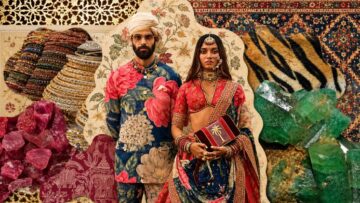
A new maximalist dressing trend, “whimsy-maxxing,” is steering consumers toward colour, print and texture over restraint. The aesthetic embraces clashing florals, stripes and checks, bright sneakers with printed dresses, oversized sunglasses and layered pieces that feel accumulated rather than carefully curated.
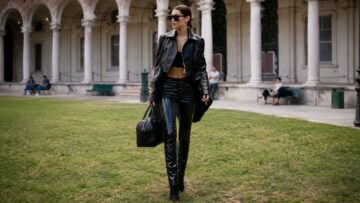
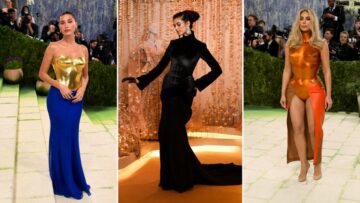
Positioned as a reaction to coastal grandma and stealth wealth, the trend rejects tonal coordination in favour of mixed prints, colour blocking and unexpected pairings. Its deliberately unpolished approach makes outfits feel pulled together spontaneously from an existing wardrobe rather than bought as coordinated looks.
For Indian apparel, the sensibility is not a foreign import so much as a return to a design language that several homegrown labels have worked in for years. Delhi-based péro, founded by Aneeth Arora in 2009, has long embraced the layered, mismatched dressing now associated with whimsy-maxxing. Its garments combine checks, gingham and hand-painted florals with patchwork, pom-poms and tassels, creating a deliberately collected, unfinished feel. Its latest collection pushed this further through hand-drawn motifs, appliqué and crayon-like embroidery. While whimsy-maxxing positions mismatched dressing as a reaction to minimalism, péro has made this aesthetic central to its identity from the outset.
House of Masaba, led by designer Masaba Gupta, offers the print-forward end of the same instinct. The label built its identity on clashing colour combinations and unconventional motifs, pairing hot pink with electric blue or placing pattern against pattern across saris, kurta sets and jackets rather than resolving them into a single dominant print. Gupta’s design language has consistently rejected tonal coordination in favour of visual density, which maps closely onto the whimsy-maxxing instruction to let clashing prints do the work a single statement piece once did.
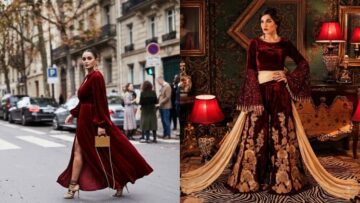
Beyond these two reference points, the broader shift toward colour-blocking and print-mixing is showing up across Indian occasion wear more generally, with tissue fabrics, vivid anarkalis and layered dupatta styling replacing the quieter, tonal silhouettes that had gained ground through 2024 and 2025.
Since Indian design has long treated colour and pattern layering as a default rather than a trend, whimsy-maxxing puts homegrown labels in a stronger position to interpret credibly than brands built around minimalism would be. For apparel players competing with international entrants on more neutral, quiet-luxury lines, the shift offers room to lean back into colour and print without it reading as a departure from brand identity.