Elemental to the label’s ideology is the timelessness of every design, vested in the beliefs of the designer, Sneha Arora, who started the label with the vision to create ‘Love Forever’ pieces of clothing. Raised in Kolkata, the city’s strong intellectual background and heritage have had a great influence on her design process and philosophy.
Design for her was like it was meant to be. She always wanted to study medicine, but as destiny had some other plans in store for her, she was made to walk the designer’s journey. Having graduated from NIFT, Kolkata, and thereafter having worked with a domestic retail giant, Arora’s eponymous label came into being in 2012. In 2013, Sneha Arora won the Grazia Young Fashion Award for the Breakthrough Label of the year. In 2014, she was selected by Not Just a Label UK as the ‘Future of Fashion’ along with four other designers globally. Her fine eye for detail and simplicity of design practice is reflected in her line of clothing.
Overcoming the challenges
“I was in a corporate cushy job for three years after graduation, but something was missing. I was not creatively satisfied and finally decided to quit the paycheque right before my appraisals so that the money did not hold me back. I started my own label with whatever savings I had from the job, which wasn’t quite a lot of course, but then worked my way through it. It’s been a challenging ride from the start. Westernwear was just getting a footing in the Indianwear-dominated designerwear market, so there was not much to follow as an example. Everything was R&D and I am happy that it worked out. I started with a one-room unit cum office with one tailor and I was my own assistant. But it was never stagnant and has only grown since. In the beginning I did not have much funds, so for the first two years, I operated a sustainable stationery and product brand in a parallel way by the name of Coppy Cat to help run the costs of the unit but soon enough we were ready to take flight and manage the brand expenses through our orders,” Sneha muses.
She finds inspiration in things around her: it could be something she reads in the newspaper today or something she has seen on her way back from work. There is always a personal connect behind each collection. “We do try to stay minimalistic and let one key element be the highlight of the garment. There is always a modern technique combined with traditional craftsmanship and that’s something I like to hold on to while making the collection. Every garment tells a story through its details and the closer you get, the more you would be intrigued,” she adds.

Reaching to a wider audience
Today, the label has clients ordering from across the world and they have also worked with international stores that house their collections. But they still want to reach a wider audience and become a global brand. Sneha mentions. “I want to be the best Dressmaker in India; currently (short-term) dresses and jackets have always been my first love and I enjoy making them the most. We are all targeting a niche market, but what sets the label apart are a few things. Firstly, it’s the use of modern techniques along with artisanal details. Secondly, our styles are classic, I still sell pieces from my first GenNext collection because my aim is to design pieces that are timeless and not in fashion for a particular season. And lastly our love for using the finest textile bases for our garments. We do not compromise on the fabric qualities; I like the garment to FEEL amazing when you wear it and not just look beautiful,” she adds.
Production with responsibility
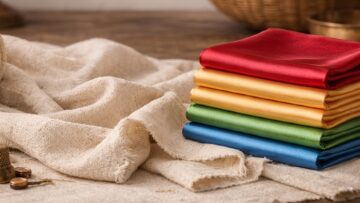
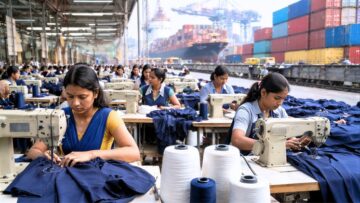
On the production front, the label does not directly work with weavers, but they have two agents who coordinate with the weavers and deliver the fabrics to them. But yes, Sneha admits that all their production is in-house, so that she can completely get involved with all the production work on an everyday basis. It’s not easy to be a female boss to an office full of predominantly male staff. “But you’ve got to do what you’ve got to do when you’re running a company. So I have figured out my way of management and dealing with their woes. Empathy is the key but also staying firm is very important. We make sure that all the processes that are in our control are fairly dealt with. We start with saucing from ethical vendors and trade fair, also trying to make payments on time so as to not affect the bottom line. Our fabrics are mill made as well as handwoven but we use only natural fibres in our fabrics. The fabrics are printed digitally involving minimal use of water. The prints are designed in-house by me and my team and we try to keep it authentic and original.”
At the factory, we provide fair wages and a comfortable work ethic. The garment passes through the hands of multiple operators before coming into being. From the cutting master to the finishing lady, all are trained to deliver to the best of their ability and what we produce reflects the values of our organisation,” Sneha further states.
Eyeing the future
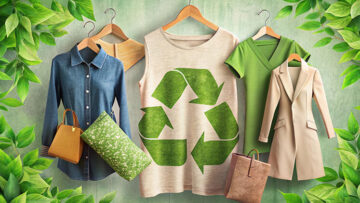
Sustainability for Sneha is a lifestyle choice and looking at the world around us, it is a choice she insists that we all must make if we want to leave a place worth living.
“There are a small set of clients who are already conscious in their consumption. But sustainability is not just buying hand-crafted products; it’s much deeper than that. It’s a lifestyle choice. And that is something you cannot convince the consumer to adopt. It has to be their prerogative. We do make clothes from sustainable materials that would last you for years and we also send in a note encouraging people to wear it multiple times, but it doesn’t end there. So first it’s our aim to become fully sustainable as an organisation and then advocate it to others. Believe me it’s easier said than done, but we are at it. The pandemic has changed everybody’s perspective. There are brands who have shut shop and others who have survived only on sales. But I guess the ones that have held forte are here to stay, and the consumer has also acknowledged the same,” Sneha explains when talking about becoming a hardcore sustainable organisation.
“We make clothes for independent women who do not need validation from an influencer or celebrity to make fashion choices. At least that’s what I like to believe. This year we complete 10 years, so there are big plans to launch a vertical of conscious products that speak our story. We would like to branch out to accessories and lifestyle as well and a few other things in pipeline, which should be revealed once they materialise,” she signs off.