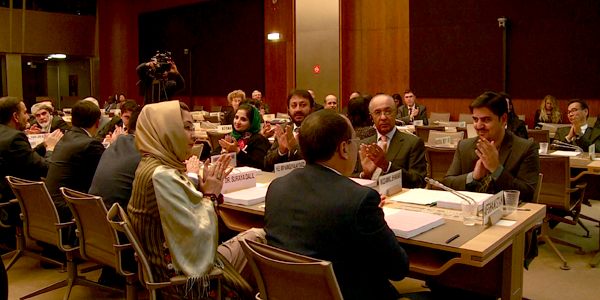
A panel of the World Trade Organization (WTO) dismissed Colombia’s argument on imposing import tariff on textile, clothes, and shoes to fight money laundering. The panel announced the decision after receiving a complaint from Colombia’s neighbouring country Panama that the tariffs, which consisted of a fixed 10 per cent and a variable component, crossed the maximum limit of 35 to 40 per cent on textiles and clothing products.
Colombia on the other hand claimed that the goods were imported at artificially low prices in order to launder money, hence making it an illicit trade. This in turn led to higher tariff than what was permitted under its WTO agreement. The panel found out that the tariff did not apply to imports from various countries, but was illegally discriminating against Panama. The Ministry of Trade and Industry, Colombia said it would appeal against the ruling. “The ruling was an unfortunate hindrance to the battle against smuggling and illicit trade and there were ‘legal and logical inconsistencies’ in the panel’s reasoning,” said Colombian Trade Minister, Cecilia Alvarez-Correa.
This was the third instance of registering a complaint against Colombia, by Panama, which brought the case to the WTO in 2013. The first case was settled by Colombia outside the court in 2006, and the second one was ruled in the favour of Panama, in 2006. Colombia has been a member of the WTO since 30 April 1995.
The World Trade Organization (WTO) deals with the global rules of trade between nations. Its main function is to ensure that trade flows as smoothly, predictably and freely as possible.




 Bharat Tex Special Report 2026