India’s sustainable fashion market has grown over the past few years, opening up new business opportunities across the industry. The market stood at US $272.51 million in 2024 and is projected to reach US $1,599.12 million by 2033, growing at a CAGR of 21.96% between 2026 and 2033.
This expansion is encouraging a growing number of emerging brands in India to look beyond conventional textiles and experiment with alternatives such as pineapple fibre, coconut leather, and other nature-based materials.
In this context, we decode seven such alternative materials that are increasingly finding their way into Indian fashion collections.
1. Hemp
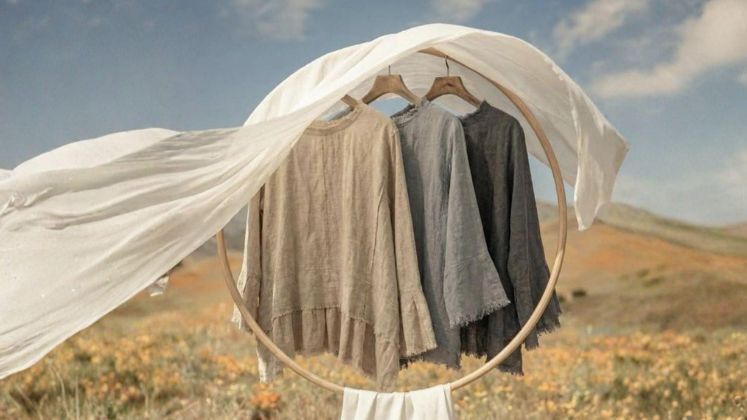
Durable, breathable, and naturally UV-resistant, hemp requires far less water than cotton and improves soil health. Other than being easily dyeable, it is also resistant to mildew and harmful microbes. Stronger than cotton, softer than canvas, hemp is durable enough to last for decades. No wonder a growing number of emerging sustainable brands like Sui, HEMIS, and The Hemp Republic are experimenting with it.
For instance, Ecentric has incorporated hemp across their western and ethnic collection. Their Men Neon Saffron Hemp Short Kurta is touted as lightweight and sweat-absorbent.
Cannabie utilizes 100% hemp across its collections, including knitwear and winter essentials.
Styles such as the Cable Knit Crop Top, Ladder Knit Backless Top, and Patterned Knit Crop Top claimed to have antimicrobial and UV properties, durability, breathability, and hypoallergenic comfort.
Whereas Reistor, a Mumbai-based women’s brand, has products like the Breezy Summer Set, which is made of 100% hemp.
B Labels by Boheco introduced their newest collection with Navy Cuban Collar Aqua Colorblock Shirt (blend) and Coral Ruffle Shirt with Jasper Pants. Resembling linen but softer to the touch and less prone to wrinkling, the fabric offers excellent breathability and moisture absorption for all-day comfort. It also becomes progressively softer with each wash, enhancing both comfort and longevity.
Similarly, Hemp Hoppers, a premium innerwear brand, has products like Nola Nude Bra and Genys Tan Brief with high moisture-wicking capabilities, high UV resistance, and temperature adaptability.
2. Bamboo

Bamboo Tribe and Cottonworld offer collections of casualwear and activewear crafted from 100% bamboo fibres, highlighting the material’s breathability and softness. Bamboology has extended its use into innerwear, with products such as the Full Coverage Bamboo Padded T-Shirt Bra and Bamboo Fabric Low Waist Underwear, leveraging bamboo’s natural antibacterial and odor-resistant properties.
Based out of Noida, Kidbea, a kidswear brand,has emerged as an early adopter of bamboo fabric with products such as the White Bamboo Camisole for Girls and the 100% Bamboo Fabric Printed T-Shirt for Boys.
Heelium, a Pune-based sustainable athleisure brand, has built its everyday essentials and activewear, like Women’s Ankle Socks and Bath Towels, around bamboo fabric.
3. Banana Fibre
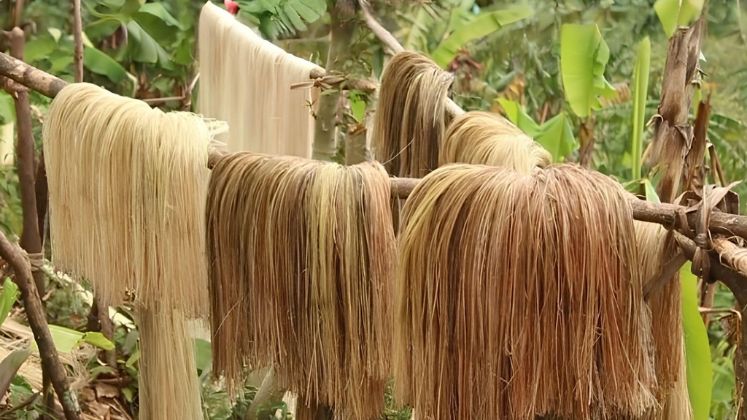
Derived from agricultural banana waste, banana fibre is a highly absorbent, fully biodegradable textile known for its sustainability and versatility. It also possesses excellent moisture-wicking properties, drawing perspiration away from the skin to enhance comfort and wearability. These very attributes make the fabric an ideal choice for brands like Evara India and HUTK, who have opted for eco-conscious fashion.
Sepia Stories, a sustainable fashion brand, offers the Alves Organic Banana Fabric White shirt, an eco-friendly and 100% GOTS-certified banana fibre shirt for men.

Ban-o-Fi™ (Banana Fibre Leather) is a proprietary material made of about 35% banana crop waste, 60% natural additives, and 5% synthetic additives, all placed on a fabric backing.
To create a durable, leather-like textile, it extracts fibres from discarded banana stems and combines them with natural additives. Indian streetwear label HUEMN collaborated with Ban-o-Fi to create a ‘leather’ jacket, crafted from a proprietary, plant-based vegan leather substitute derived entirely from upcycled banana crop waste. Similarly, Studio Beej is a sustainable Indian accessories brand that partnered with Banofi to launch an innovative collection of plant-based, eco-friendly lifestyle products like the Aspen Unisex Ban-o-Fi™ Card wallet.
Brands such as Vyakti and Rashki are utilizing banana leather as a sustainable alternative in the accessories market.
4. Ahimsa Silk

Also known as Eri, this ethical alternative allows silkworms to complete their life cycle before the silk is harvested, offering consumers a cruelty-free take on luxury.
The Ahimsa Collection, by the Delhi-based brand The Wandering Silk, pays homage to the humble silk worm. Some pieces, like Eri Peace Silk Wrap and Bandhani Matka Natural Dye Peace Silk Wrap, are dyed using exclusively natural colours, including indigo, lac, and marigold. They are skin-friendly, thermo-regulating, and anti-fungal.
The Silk Chamber, too, has helped popularize this ethical alternative through its handcrafted silk collections. Their Indian Eri Silk Saree, Lilac Eri Kasa Paat Saree, chartreuse eri kesa paat silk saree, to name a few, emphasise the beauty of eri silk combined with traditional embroidery.
Other Indian brands are also showcasing the versatility and elegance of Eri silk across a range of products. Aeshaane by Neesha Amrish offers a collection of hand-spun scarves, kaftans, and kimonos crafted from Ahimsa (peace) silk, including Eri and Tussar varieties. EriSri has expanded the application of Eri silk beyond sarees to include handwoven dhotis. Demonstrating the fibre’s suitability for detailed surface embellishment, The Loom Art incorporates intricate Kantha embroidery into its Kantha on Silk Set.
5. Pineapple Fibre

Pineapple Leaf Fibre (PALF) is valued for its high cellulose content (70–82%), which gives it exceptional strength and durability. Its ivory-white colour, natural luster, and smooth texture create a silk-like appearance, while its lightweight and breathable nature make it particularly suitable for warm-weather clothing and tropical climates. Some brands, like The Summer House and Nikalp, have used it in creating their womenswear collection, incorporating it in products like dresses and co-ord sets.
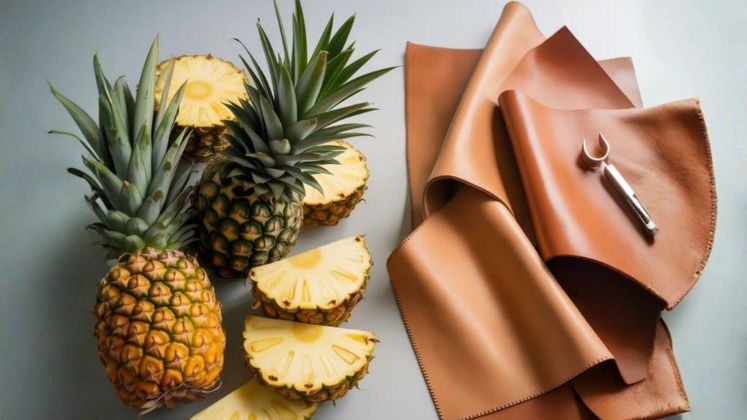
Labels such as Studio Beej and A Big Indian Story have also incorporated the material into handcrafted handbags like the Nauka Piñatex Mini Bag and Pinatex Wallet – Blue, respectively, showcasing the potential of pineapple-leaf fibre in sustainable fashion. Both products offer an eco-friendly choice without compromising on quality or design.
Mumbai-based vegan footwear label PAIO incorporates plant-based materials, including Piñatex, into its handcrafted collections.
Another alternative includes leather made from pineapple leaf fibre and Pleather, a plastic-based fabric made to look like leather, and is used by brands like Aulive in its products, like Book Sleeves in Vegan Leather.
6. Coconut-Based Materials
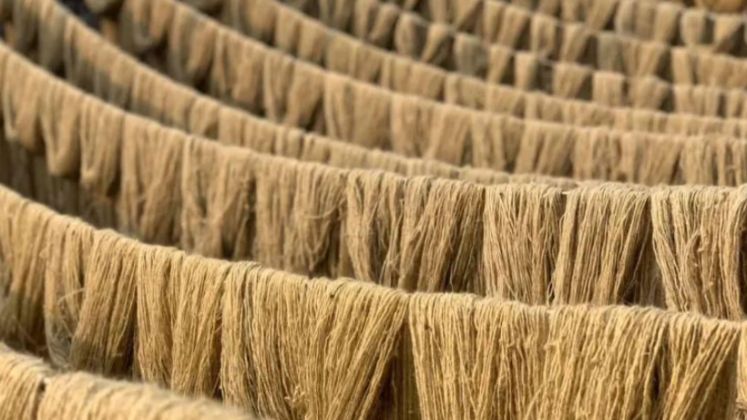
Today, the term “coconut fabric” encompasses three distinct material categories: coir fibre, coconut-charcoal textiles, and coconut-based vegan leather. Coconut-charcoal textiles incorporate activated carbon derived from coconut shells into fabrics to enhance moisture management, odor control, and thermal regulation, making them particularly popular in activewear.
Nue, a premium Indian activewear label offering high-performance bras and leggings, frequently features coconut-charcoal fabric in their collections for breathability, and their natural antimicrobial properties help during workouts.
The newest innovation is coconut-based vegan leather, a sustainable leather alternative suitable for accessories, bags, and lightweight footwear.
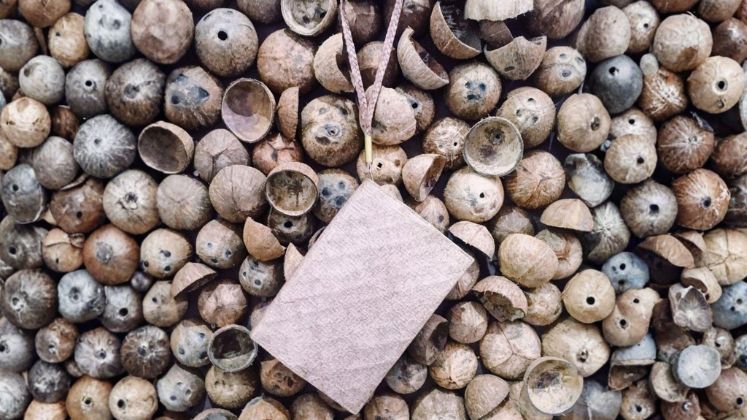
OriganiLife, an eco-conscious fashion label, uses buttons made of pure coconut shells as trimmings for their product called Blue Coconut Shell. Similar to this, A vast majority of sustainable Indian brands like Amsterlily or House of Tanvi utilize natural coconut shells for their garment buttons and detailing, supporting a zero-waste supply chain.
7. Cork
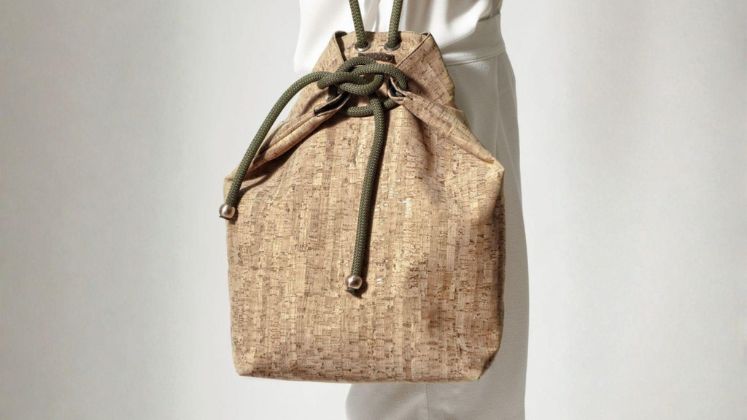
Cork fabric, also known as cork skin or cork leather, caters to diverse aesthetic preferences, and its production is particularly sustainable, as the bark can be harvested without harming the tree and naturally regenerates over time.
Beyond its sustainability benefits, cork fabric is highly durable, water-resistant, and resistant to microbial growth. Its hypoallergenic properties help reduce dust and allergen buildup, while its versatility makes it suitable for apparel, rainwear, bags, and fashion accessories.
Brands like Brown Living offer a vast collection of Cork- based accessories, their most popular being the Classy Vegan Cork Wallet. Likewise, Chennai-based Arture uses cork extensively in its handbags and other accessories.
Pune-based FOReT, a PETA-approved vegan brand, crafts handbags, wallets, and accessories using FSC-certified cork. Mumbai-based Beej incorporates cork and other plant-based materials into its range of everyday luxury accessories, including handbags, clutches, and tech sleeves. Doodlage collaborated with Studio Beej on an exclusive accessories collection featuring minimalist designs such as large totes, laptop bags, and crossbody bags crafted from cork and other eco-friendly materials. Meanwhile, Clan Earth has used cork in products such as the Dodo Cork Wallet and Kakapo Cork & Canvas Bifold Wallet.




 Bharat Tex Special Report 2026