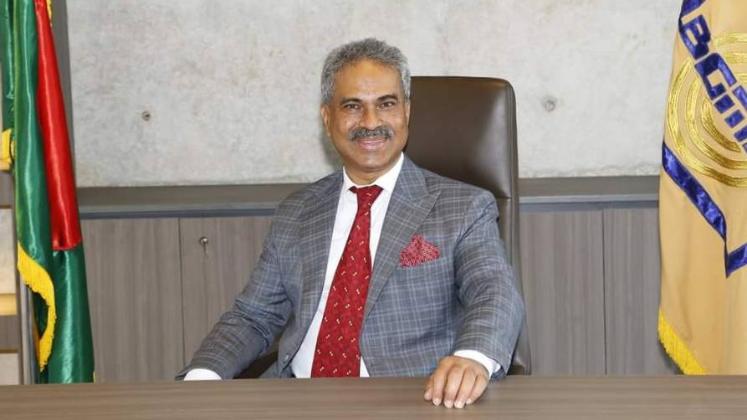
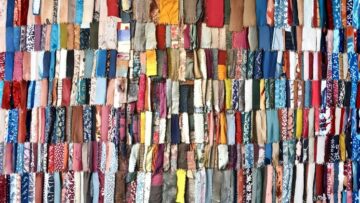
International consumers’ growing interest in local heritage fashion has led to a gradual increase in the export of local heritage fashion goods including jamdani, khadi, muslin, and mixed indigenous clothes, according to BGMEA President Faruque Hassan.
He stated this on 18th February, during the opening of the three-day event called the Bangladesh Heritage Festival 2024, during a news conference held at the BGMEA office in the capital.
About 40 local entrepreneurs are showcasing their heritage apparel products at the three-day event that the BGMEA has arranged at its Uttara office complex to draw the attention of the global market for those high-value garment items.
As part of its attempts to diversify the export basket, the Bangladesh Garment Manufacturers and Exporters Association (BGMEA) has launched an initiative to promote local heritage fashion clothes on the international market. Their diversification ranges from selecting fibre, garment items, and yarn to markets.
Bangladesh exported clothing valued at about US $ 47 billion, with little to no contribution from traditional textiles like jamdani, khadi, muslin, and mixed local fabrics, informed Faruque Hassan.
The goal of the local apparel industry is to export US $ 100 billion worth of clothing by 2030 and to reach this goal, local heritage fashion will not be combined with the production of RMG goods like coats, jackets, and various knit and woven items.
“The percentage of the use of the non-cotton fibre has been growing gradually as many of the local garment exporters have concentrated on the man-made fibre garment export in recent years,” said BGMEA President Faruque Hassan
The garment created from the vintage cloth has a freight on board (FoB) pricing starting at US $ 100 to a few hundred dollars, informed Hassan.
To obtain better rates from foreign shops and brands, they are also attempting to transition from cotton apparel, which continues to dominate exports, to apparel made of man-made fibres.



 Bharat Tex Special Report 2026