Catching up with friends over dinners or going out shopping or watching a film with family, all have been a part of our daily lives. But that was until the outbreak of the deadly COVID-19. This epidemic has not only changed the very dynamics of how we live, but even that of the businesses, no matter how big or small.
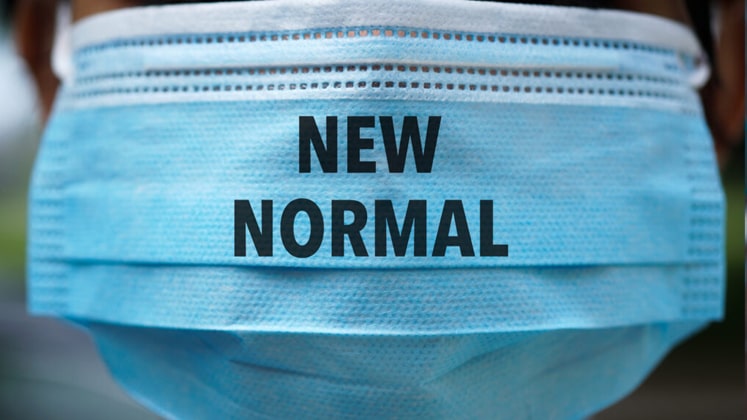
The changed ways of doing things, experts believe, would continue to linger much longer even after may be the epidemic is gone, which they prefer to call the ‘new normal’. So, what would be this new normal for garment manufacturing and retail sector and what would be its implications on businesses and that on the end users? Let’s hear it out from the industry itself…
“The world has changed in the last few months.Ways of doing business will change in the post COVID-19 era to bring about the ‘new normal’. These are times of social distancing, and retailers will need to gear up for this and so will the consumers and the whole experience of shopping will change. People will have to queue up and wait for their turn to get into stores. Most of the trial rooms will be closed, so the experience of buying after trying on clothes will go missing. Meantime, retailers will have to organise themselves to accept limited customers at a time which means higher operating costs and lower sales,” Rajnish Kapoor, Director, Krayons Sourcing Limited, explains what he thinks would be the new normal, while speaking to Apparel Resources.
With its presence in India, Bangladesh and China, Krayons boasts of a wide range of clientele across geographical locations and markets.
The fear of contracting the virus, Rajnish thinks, will keep the overall shopping sentiments low and most of the consumers will avoid visiting stores and rather prefer buying online. Consequently, the online sales will see good growth, which though, a welcome development for e-tailers, will eat into store sales.
“COVID-19 has seriously dented economies and with a lot of people furloughed and quite a few out of jobs, the buying sentiment will be even more subdued. People will buy more of essentials, and attractive price bargains/deals will be the need of the hour to bring in the customers,” maintains Rajnish, adding, “Not only the spending power, but the way consumers choose to spend their money may change too. Also, now that work from home has become the new culture which will be more prevalent in the coming days, people not stepping out for office will mean lesser buying for formal/officewear, which will further impact the sales.”
Himanshu Ahuja, Director of Cotton to Catwalk Ltd. too agrees with Rajnish’s views. As per him, the new normal will see a rise in the e-commerce business and a major shift from bricks-and-mortar to online.
With jobs at stake and salary cuts all around, high fashion would take a backseat, as it would not be possible for end-users to splurge on high-end clothes.Similarly, with more and more corporates making work from home a culture, corporate dos and clubbing will be replaced with in-house parties, which would further bring down the demand for high fashion.
Even on the business front, the sourcing structure will see a change in the way that the buyers will be sourcing out of different countries rather than placing everything in one place, says Himanshu.
The post-pandemic new normal will see a downfall for the luxury brands, foresees Md. Ehsannuddin Khan of Sonia and Sweaters Limited who adds that it would be an era of basics, but with the increased focus on workwear and specialised clothing for the medical fraternity.
The expected changes in consumer spending and demands have already led some manufacturers in Bangladesh to re-align their offerings, and East West Industrial Park is one such name. “We are working on the product categories based on the expected changes in the buyers’ behaviour after the pandemic situation. We are expecting that high-end suits will go slow and basic products will move faster in comparison,” maintains Rumana Rashid, East West Industrial Park Ltd., who is already making the necessary changes in the product offerings.
“New normal will see a change in styling as well,” shares Khosru Chowdhary, Nipa Group, who – in anticipation of these changes – is making prototypes with masks attached to the jackets.
“It’s in the initial stages, but I feel the world order post the pandemic will see masks becoming a necessary fashion accessory,” adds Khosru.
Going by what the industry insiders had to say, there’s no doubt that the ‘new normal’post the pandemic is over would come loaded with itsimplications for businesses and end-users alike.