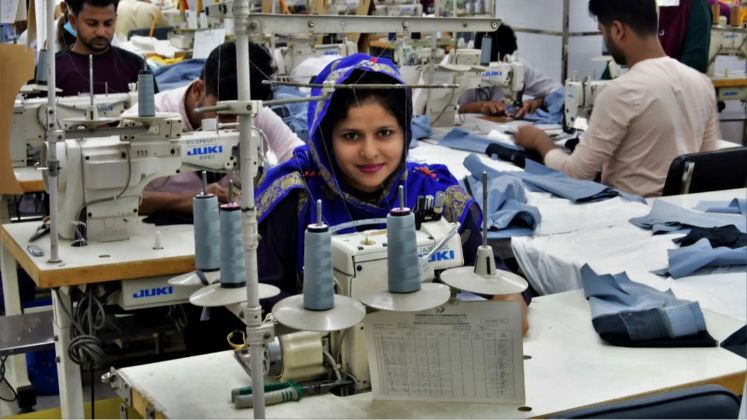
There is a looming threat to the apparel industry of Bangladesh, with a shipment valued at US $ 26.78 billion at risk of being severely impacted by extreme weather conditions such as heatwaves and floods, by the year 2030.
This is according to a study conducted by Cornell University’s Global Labor Institute in collaboration with Schroders, which added it is just not Bangladesh, weather-related challenges could apparel production hubs across the globe.
Bangladesh, in particular, is expected to bear the brunt of this impact with a projected loss of US $ 26.78 billion even as Cambodia faces a potential loss of US $ 6.75 billion, Pakistan US $ 7.59 billion, and Vietnam US $ 24.77 billion.
Interestingly, the study highlights a critical issue: investors in the industry are currently not adequately factoring in adaptation measures within their risk plans, as the focus has primarily been on mitigation strategies.
The report underscores the urgent need for climate adaptation finance that can redistribute costs and risks away from vulnerable apparel workers. To address these challenges effectively, the study offers recommendations for various stakeholders, including unions, employers, governments, apparel buyers, and investors.
These recommendations aim to safeguard both the well-being of workers and the sustainability of apparel manufacturing in the face of increasingly frequent and severe weather events caused by climate change.