Indeed, sustainability is the key behind the majority of innovations these days. It challenges both the employers and the employees to evolve new ideas to build competitive products while preserving the environmental safety and protecting the health and social rights of the people. However, many companies envision such friendliness to environment as a loss to their financial benefits as well as their tactical positioning in the market. But Vicunha Textil, a world leader in sustainable denim production, contradicts the views of such companies by carving its own niche in the fabric business on the pillars of sustainability and world-class innovations.
Vicunha, a respected giant in the textile industry in the West, supplying quite literally worldwide – from Latin America through Europe to Asia – has manufacturing units in several states of Brazil, it produces both Indigo denim, and non-denim fabrics, spinning, weaving and dyeing with precision engineering. Since its initiation 46 years ago, it continues to be an ethically and environmentally responsible company providing full transparency and traceability unlike the greater number of companies which completely focus on end-products without care for their origin and authenticity.
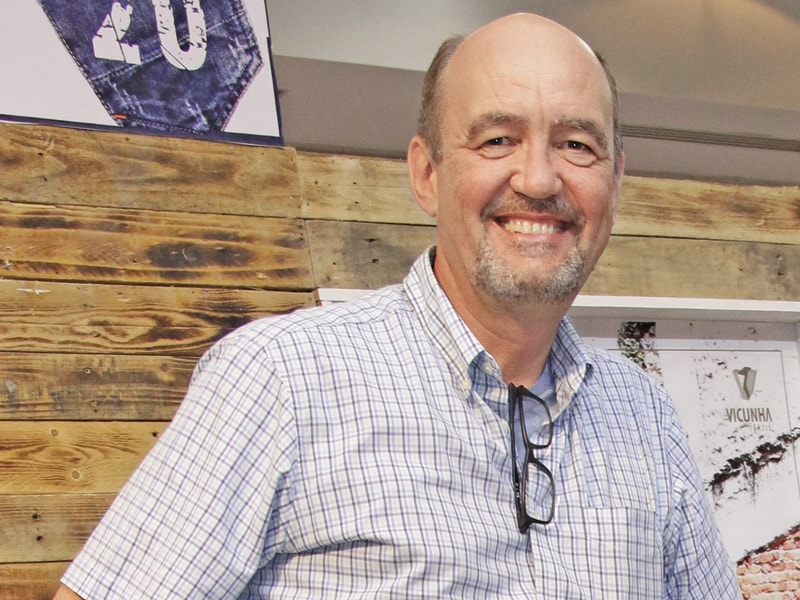
“We are the single largest consumer of BCI cotton in the world, using 100,000 tonnes in a year for our spinning needs,” shares Thomas Dislich, Managing Director, Vicunha Textil for Europe and Asia.
Upfront in its approach to sustainability, Vicunha incorporates the 3R-system of Reduce-Reuse-Recycle in all its processes, right from the production of fabric to the operations of its separate offices. This involves reusing and recycling policies that are rare and exemplary such as zero cotton waste, maximum energy efficiency and waste reduction, carbon neutral boilers and water recycling and reduction. In fact, the company maintains full traceability from field to fabric by tagging and identifying each element used in every step of the manufacturing process with a bar code. “This process helps us to identify the exact field of cotton from which each roll of fabric originated and ensures we maintain consistency,” avers Thomas.
‘Sustainability’ and ‘sustainable development’ are the predominant goals of the 21st Century, thanks to the several past generations of human civilization who left no stone unturned in damaging the environment and reducing their own survival chances. Sustainability, although has many dimensions, is not that complex as it is a simple balancing act of meeting the human needs and saving the environmental values at the same time. Every country, industry and company today is required to reassess its policies and strategies around environmental protection, economic development and social responsibility to meet the global sustainable standards.
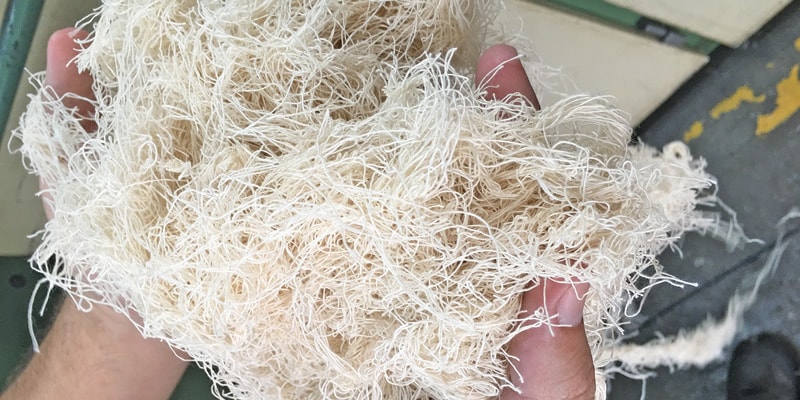
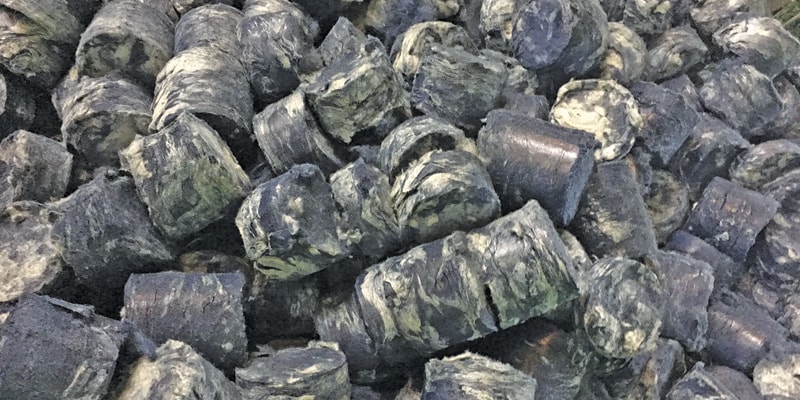
The organisation ensures that no BCI cotton is wasted while developing fabrics. “All waste cotton is recycled and reclaimed at every possible point of production. When fibres are too small to get recycled, they are formed into briquettes to fuel the carbon neutral boilers,” informs Thomas. It is inspiring how boilers are fired on cashew and coconut shells which are surplus in the region and would otherwise be treated as waste. Even CO2 emissions released by the boilers are harvested and used in the water treatment plant as part of the water cleaning process.
This textile giant has set a benchmark in sustainable management by its unconventional heat exchange system and water conservation process. During fabric processing, a lot of energy is consumed by the steam; to counter this, Vicunha operates a heat exchange system which uses the outgoing existing hot water to heat up the incoming water to 60 degrees which results in substantial energy saving. Similarly, new dyeing technologies like foam dyeing system have been launched by their technological experts to initiate a drastic reduction in water usage up to 80 per cent compared to the normal dye methods. Besides, they also implement ‘intermediate recycling’ by ensuring 100 per cent recovery of caustic soda used in fabric mercerisation.
Reiterating the commitment to sustainable practices, not only as a business goal, but also as a profitable way of conducting business, Thomas says, “Vicunha had, is, and will always run on the belief that good ecological governance goes hand-in-hand with optimal use of resources and this results in best economic practices.” This exclusive ideology sets them apart from other players although a large number of consumers still hardly realize the value of sustainable practices.

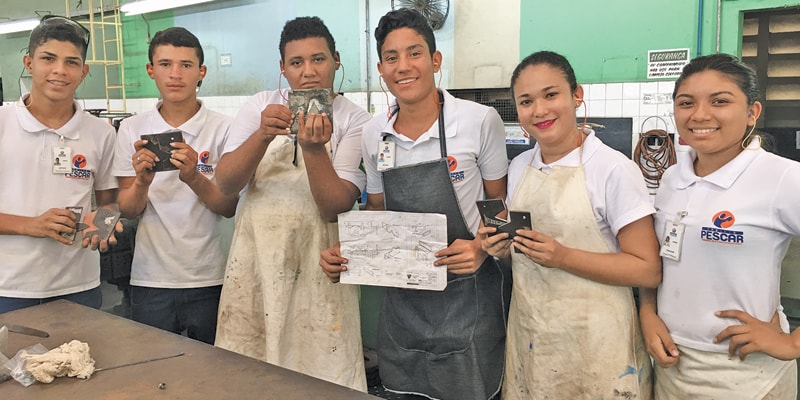
The company is an ardent follower of the ‘lean’ system for highest production solutions and the Kaizen system which makes their employees feel empowered and appreciated. The work morale of the employees are boosted by provisions of adequate food supply during working hours, medical assistance, transport facilities, learning and professional development and a fair and decent salary. To top it all, a training centre has also been built for their employees to get enrolled in new training courses and to complete missed education opportunities. To further their sustainable parameters of being socially responsible, Project Pescar was launched 12 years ago, to support the 17-19 year olds from underprivileged backgrounds to get an opportunity to transform their lives and gain better prospects. About one-third of the students who have been through this project, have also been absorbed for jobs by Vicunha itself.
With an unparalleled quest for innovation, Vicunha continues to expand its fabric ranges with ‘water-less’ technologies and recycled cotton to direct its energies on infinite stretch as fashion today is obsessed with skinny cuts. After accomplishing the enviable reputation of being one of the world’s few companies with the best sustainable practices, they are now aggressively targeting the Asian market with a base office at Dhaka, Bangladesh.
With already many popular names in denims associated with the brand, this sustainable pioneer aspires to build its own place in Asia by being fairly priced and offering speed delivery within 14 days with their own set-up of warehouses at Rotterdam and Colombo. “With the way, we have positioned our business in Asia, we can deliver as little as one roll if a customer so desires,” concludes Thomas, clearly indicating that Vicunha is more than prepared for all challenges to win bigger market share in this region, which is the sourcing base for all major global brands in denim.



 Bharat Tex Special Report 2026