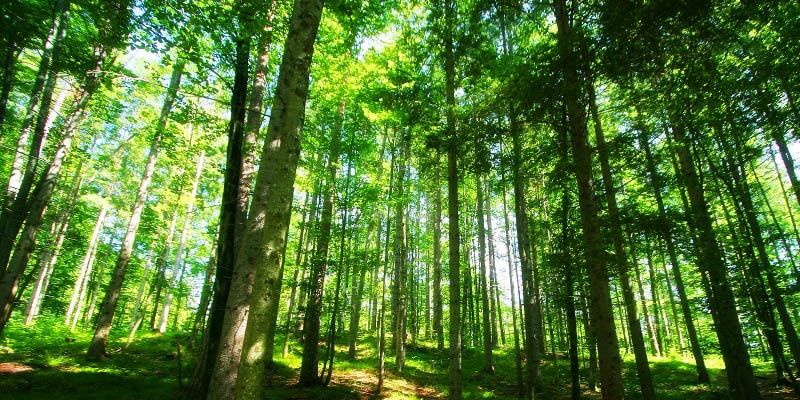
VF Corporation – a global leader in branded lifestyle apparel, footwear and accessories – has released its first-ever Forest Derived Materials Policy, which sets formal guidelines for the company’s purchasing preferences and use of sustainable forest materials and products.
VF’s policy aims to avoid the issues associated with deforestation and forest degradation including the loss of endangered forests, loss of biodiversity and habitat, use of forced labour in making forestry products and loss of indigenous peoples and local community rights. The policy also encourages the use of recycled fibre whenever possible as well as it promotes the use of Forest Stewardship Council-certified paper and fibre.
Also Read – VF Corporation significantly cuts its carbon emissions
Letitia Webster, VF’s Vice President of Global Corporate Sustainability, said, “Deforestation and forest degradation continues to be a global issue affecting climate change and human rights,” adding, “This policy provides clear guidance across our many purchasing categories and it enables us to play our part in protecting the world’s forests.”
To develop the guidelines on a broader scale, VF has partnered with a number of NGOs and external stakeholders. This team also includes Canopy which is a not-for-profit environmental organization dedicated towards the goal of eliminating the use of ancient and endangered forests in the production of forest derived fabrics such as rayon and viscose from the apparel and fashion industries by the end of 2017.
Also Read – VF Corporation joins Paradigm for Parity coalition
The policy falls in line with the company’s other sustainable initiatives, including policies for the purchase and use of conflict minerals, cotton country of origin, and animal derived materials. It’s worth mentioning here that VF Corporation works for the most iconic lifestyle brands such as, Lee, Wrangler, Vans, Timberland and The North Face.




 Bharat Tex Special Report 2026