Image Courtesy: https://noissue.co/
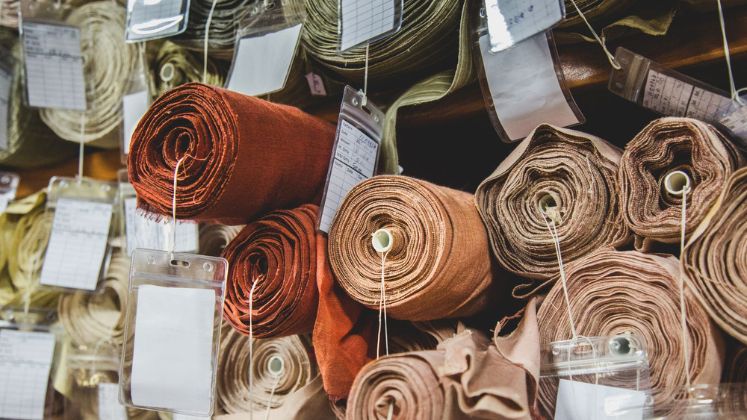
The textile industry is the second-most polluting industry and accounts for 20 per cent of industrial wastewater pollution, since the process of making a T-shirt and jeans consumes an enormous amount of water.
The industry has now realised, however, that time is running out and their operations have to be made sustainable. Non-tariff barriers have started being erected by Europe for products and services which do not meet sustainable standards.
Sustainability has become an urgent priority across sectors, including the textile sector, since the 2030 time frame for achieving the UN’s 17 Sustainable Development Goals is nearing. Green goals have also been set by India as a critical agenda.
Speaking at the India Textile and Apparel Fair organised by Confederation of Indian Textile Industry (CITI), SN Modani, chairman of Rajasthan Textile Mills Association, said, “Reusable, regenerable and recyclable clothing needs a mass response from the manufacturers. Fabrics made of plastic bottles are increasingly used to create stylish garments as demonstrated by our Prime Minister Narendra Modi.”
Consumers are also growing more conscious of sustainability and what they wear. Data shows that web searches for eco-friendly clothing have risen by more than 70 per cent over five years.
“Though the modern, environmentally healthy alternatives may cost more as technology is still at the nascent stages, automation, and innovation in manufacturing, combined with guaranteed sales, are bound to offset these costs over time. The key stakeholders need to lead from the front,” said Modani.
The high cost of labour needs to be replaced with technology, said Uday Gill, board member of International Textile Manufacturers Federation. This will, in turn, make products precise and high-quality as well as leading to cost reduction and upset the high expense for making sustainable products.
“Technology brings in efficiency and grows the market which in turn creates demand for talent.” added Gill. He said that every element in the value chain, from yarn to garmenting, has to be collaborative to drive synergy. “We have to move away from cost-model to value-model,” he added.




 Bharat Tex Special Report 2026