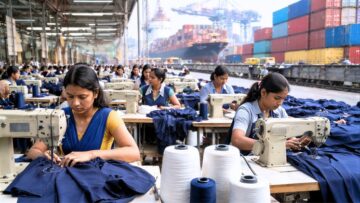
Sri Lanka’s garment industry has collaborated with the Asian Development Bank (ADB), International Financial Reporting Standards (IFRS), and the Global Language of Business (GS1) to introduce a unified QR code system for labeling clothing items, aimed at enhancing visibility across the entire supply chain. Through the combined expertise of ADB, IFRS, and GS1, the Sri Lankan apparel sector seeks to enhance supply chain traceability and promote standardised disclosure practices.
At the core of this endeavour is the implementation of a single QR code that contains comprehensive information on tracking and tracing throughout the supply chain, including brand details, supply chain specifics, product characteristics, materials utilised, care instructions, compliance data, and recycling guidelines. This ESG traceability initiative streamlines data exchange, ensuring accurate reporting and compliance with regulatory requirements.
In response to growing pressure from global sustainability regulations, particularly from key export markets like the US, EU, and UK, Sri Lanka’s garment industry is embracing the imperative for complete supply chain traceability. Recognised for its environmental consciousness and ethical manufacturing practices by the World Economic Forum at COP28, this initiative marks a significant milestone for the industry as competitors in manufacturing, fabric production, brands, and retailers unite for a common goal.
Stakeholders are actively involved in refining prototypes and devising strategies for commercialisation, with a primary focus on promoting widespread adoption of the QR code system within the supply chain to support brand adherence and prioritise disclosures as outlined by the International Sustainability Standards Board (ISSB).
Furthermore, the industry is exploring avenues to expand the initiative by providing access to reliable data sources, underscoring a commitment to advancing transparency and sustainability in garment manufacturing practices.