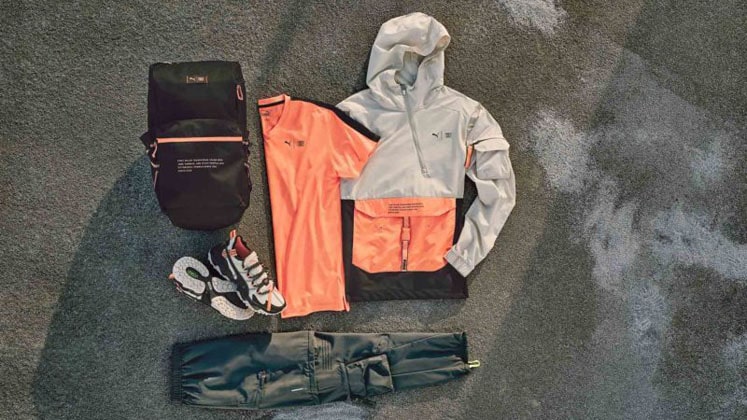
Better materials, such as cotton and viscose from verified sources or recycled polyester, have a reduced environmental footprint in terms of CO2 emissions and enable the company to enhance its environmental effect across the product line, according to Puma, a sporting goods manufacturer with headquarters in Germany.
The business has been able to cut CO2 emissions from materials by 32 per cent since 2017. Despite a large increase in sales, Puma thinks the overall CO2 emissions may be lowered by another 7 per cent.
Puma noted in its Sustainability Report 2022 that while it is on schedule to meet its objective of using superior materials in nine out of ten goods by 2025, it also continued to power all of its headquarters, stores, and warehouses with renewable energy in 2022.
The majority of Puma’s carbon emissions come from its suppliers, who expanded their use of renewable energy throughout the company’s supply chain.
The primary suppliers for Puma, who account for about 80 per cent of its output, reportedly increased their use of renewable energy by more than twice as much in only one year, from 0.2 per cent in 2017 to 11 per cent in 2022.
This was accomplished by installing massive solar power systems at particular providers and buying renewable energy certifications. Puma wants to get its main suppliers to get a quarter of their energy needs met by renewable sources by 2025, more than doubling this number once again.
Additionally, the company started to increase the usage of recycled cotton and more than 50 per cent of the polyester used in the German brand’s clothing and accessories was made from recycled materials.
The Forever Better projects RE:SUEDE, which looks for a biodegradable trainer, and RE:FIBRE, which attempts to scale up more advanced polyester recycling technologies, both claim progress, according to Puma.
Earlier in February, Puma joined Zero100, a community of industry leaders that aims to reduce carbon emissions from the supply chain through digitisation.