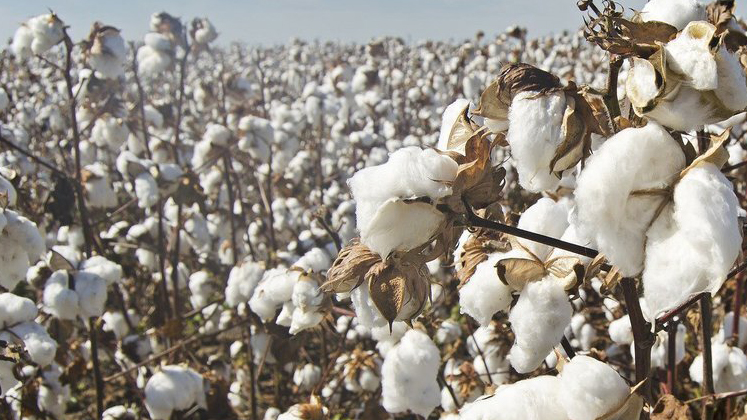
Apparel manufacturers across the globe are continuously opposing cotton made in China’s western Xinjiang; and now Japanese apparel makers are also treading on the same path.
As per Nikkei Asia, leading financial newspaper from Japan, Japanese clothing makers, including Sanyo Shokai and TSI Holdings, have decided to stop using Xinjiang cotton, following the footsteps of Mizuno, a major sports equipment and sportswear company, and others.
Sanyo Shokai, which sells clothing under the Paul Stuart, Epoca and Mackintosh Philosophy brands, will stop using Xinjiang cotton from the 2022 spring-summer season.
Shinji Oe, Sanyo Shokai President, said that the company has gathered information on human rights issues in Xinjiang, but has been unable to pin down the facts.
TSI, which has a raft of apparel brands, including Nano Universe, has learned that cotton sourced from the region was used in some of its products. It has eliminated Xinjiang cotton from its products for this autumn-winter season. “We will not use Xinjiang cotton until the human rights issues are resolved,” said TSI President Tsuyoshi Shimoji.
Sanyo Shokai is influential in the Japanese apparel industry because of its business partnerships with a number of large retailers, mainly department stores. TSI, which also sells popular Margaret Howell brand clothes, had 134 billion yen (US $ 1.17 billion) of sales in the year ended in February.
Besides Mizuno, Gunze, a major underwear maker, has also stopped sourcing cotton from Xinjiang. Sanyo Shokai and TSI use a wide variety of fabrics for their small-lot production of a broad array of products. The decision was difficult for these manufacturers because it creates challenges for their supply chain management and product development.
However, they have been forced to take the step amidst a growing consumer backlash over allegations that members of mostly Muslim Uyghur minority group are being used as forced labour in China.
It is also pertinent to mention here that Fast Retailing, which operates the Uniqlo casual clothing brand, has established a system to directly monitor production of the materials it uses, including cotton, for possible human rights abuses and other ethical violations. Tadashi Yanai, the company’s chairman and CEO, has pledged to ‘secure high levels of traceability’ throughout the supply chain, down to cotton farmers, to ensure ethical production.




 Bharat Tex Special Report 2026