The International Labour Organization (ILO), an arm of the United Nations, has exposed egregious human rights violations in Myanmar in a report. The investigation, prompted by the military coup in February 2021 and subsequent suppression of pro-democracy protests, uncovered a harrowing reality: Myanmar’s military rulers continue to enforce forced labour and brutally suppress trade unionists’ rights.
The ILO’s Commission of Inquiry for Myanmar, comprising three independent experts, meticulously examined reports of violence against trade union leaders and widespread breaches of basic civil liberties. Despite lacking direct access to the country, the commission gathered extensive information through written submissions and testimonies from affected individuals and experts.
The commission’s findings paint a grim picture: Myanmar blatantly disregards its obligations under the Forced Labour Convention, 1930 (No.29), perpetuating various forms of forced labour amid armed conflicts. Additionally, there’s a shocking lack of enforcement regarding the prohibition of forced or compulsory labour.
Consequently, the ILO report sternly calls on Myanmar’s military authorities to immediately halt all forms of violence and inhumane treatment against trade union members. They must release detained trade unionists, dropping any criminal charges related to their legitimate activities. Furthermore, the report demands the full restoration of basic civil liberties, which have been suspended since the coup d’état.
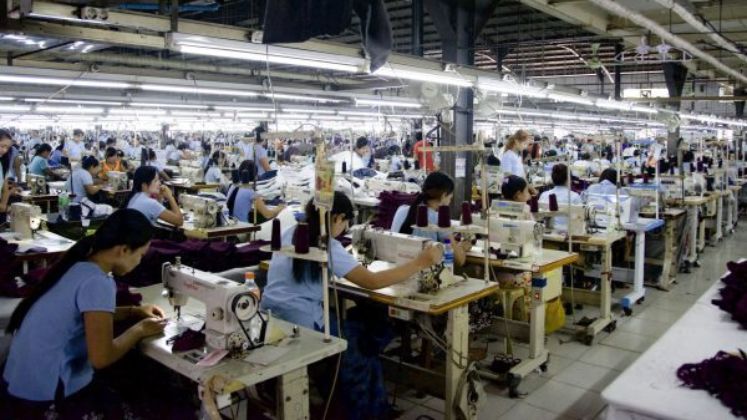
The ramifications of this report have rippled across the global fashion industry. Numerous apparel brands and retailers have severed ties with Myanmar, citing the inability to conduct effective due diligence. H&M, Inditex, and Primark are among those phasing out operations due to mounting challenges in upholding their standards and requirements.
The ILO’s findings shed light on a grave human rights crisis, urging the international community to stand against these atrocities and pressure Myanmar’s military rulers to respect fundamental freedoms and workers’ rights.