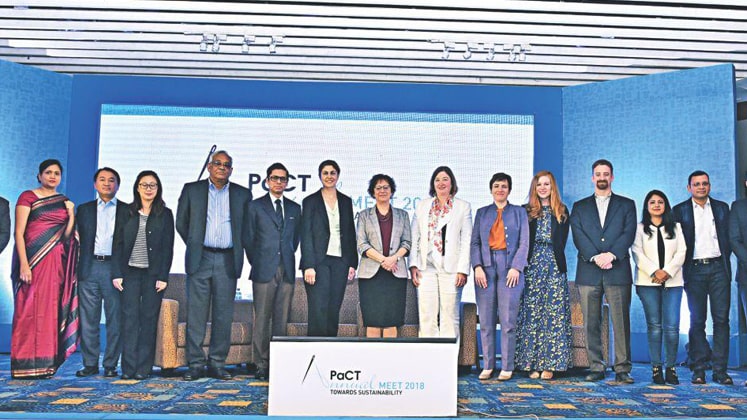
Aimed at popularising the efficient and cleaner garment manufacturing practices that would help reduce energy, water, and chemical use across the textile value chain, the clean textile campaign is gaining in popularity and momentum since its inception.
The second edition of the Partnership for Clean Textile (PaCT II) has reportedly concluded its first year with seven organisations joining the campaign along with the apex body of Bangladesh’s garment sector, the Bangladesh Garment Manufacturers and Exporters Association (BGMEA).
“The BGMEA is happy to be a partner of the IFC. We are proud to say that Bangladesh not only has the most transparent garment industry, it is also one of the most sustainable garment industries in the world.” – Miran Ali, Director, BGMEA
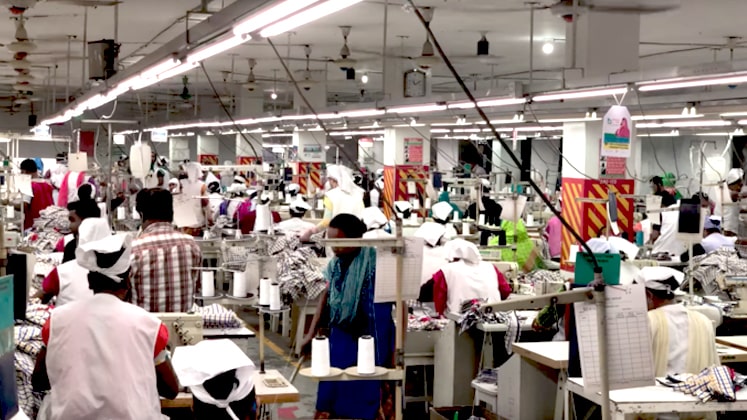
It may be mentioned here that Bangladesh is the second largest apparel exporter in the world, and apparel exports from the country account for around 80 per cent of the Bangladesh’s total exports.
“In Bangladesh, the textile manufacturing sector remains a strategic area of focus for the IFC…Our advisory programme, PaCT, has made a significant impact on changing the landscape of the sector through greater awareness of resource efficiency and better adoption of efficient technologies and manufacturing processes.” – Rana Karadsheh, Director for Manufacturing, Agribusiness and Services for Asia, IFC
As per an IFC statement, five textile brands – VF Corp, PUMA, Levi Strauss & Co, TESCO and GAP Inc and two technology providers Jeanologia and Omera Solar – have joined the campaign. Started in January 2018, with support from the governments of Denmark, Australia and the Netherlands, the PaCT II seeks to save 10.9 billion litres of water and 1.3 million megawatt hours of energy every year.