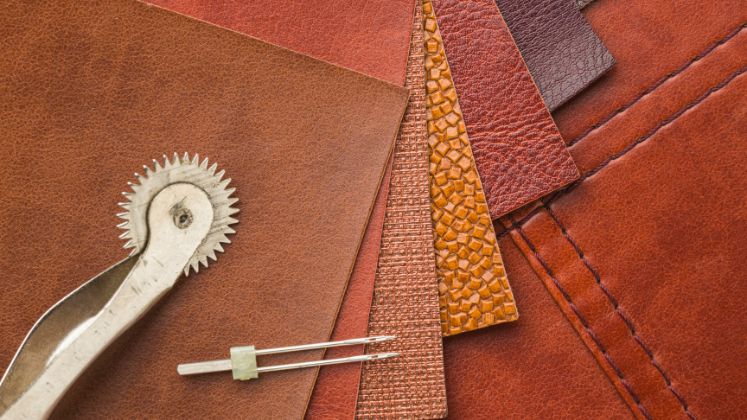
While leather is routinely viewed as a byproduct of the meat industry, a new Fair Labor Association (FLA) and human rights consultancy firm Impactt report unveils its increasing significance in fashion, footwear, and accessories — as well as entrenched labour abuses in production. The international leather market totaled US $ 243 billion in 2022 and is set to grow steadily at 6.6 per cent every year through 2030, the report finds.
The FLA report points to large-scale exploitation in the meatpacking and leather-processing sectors, revealing the employment of child labour in the production of leather products in nations such as Bangladesh, Vietnam, Pakistan, India, and Mexico. A further 15 countries were cited for using child or forced labour in the processing of bovine-derived products — the major source of leather hides.
The 6-month research, initially intended to examine labour practices in Brazil’s leather industry, expanded to encompass an overview of the international situation. Researchers integrated information from over 100 sources — academic research, news articles, policy briefs, and industry reports — to make sense of systemic problems within supply chains.
The purpose of the report is to launch a wider discussion among leather manufacturers and meatpacking companies, calling companies to adhere to global labour standards in order to protect vulnerable workers.
Raquel Fisch, principal consultant at ethical trade advisory Impactt said that this report illuminates the darkest recesses of the leather supply chain, where there is least oversight and highest worker risk. She added that from farm to slaughterhouse to tannery, those who are doing the toughest work often endure unsafe environments with no protections in place. These segments seldom come under formal human rights due diligence, and this report sets the stage for actual corporate accountability.
Among the report’s main findings: almost half of all leather made around the world is used in footwear, and 10 per cent is utilised in garments, said figures from The Leather Council. Though China leads the way in leather output, the report also lists Bangladesh, India, and Pakistan as top locations for leather processing and apparel manufacturing.
Richa Mittal, the FLA’s executive vice president and chief innovation officer, said the report is intended to encourage companies toward more open and ethical sourcing.
Mittal said in a statement that by revealing the issues upstream in leather supply chains, they want to drive systemic accountability. She added that real equity is understanding the dignity of all workers — not only Tier One factory workers, but those hidden further down the chain, whose work is frequently unacknowledged.




 Bharat Tex Special Report 2026