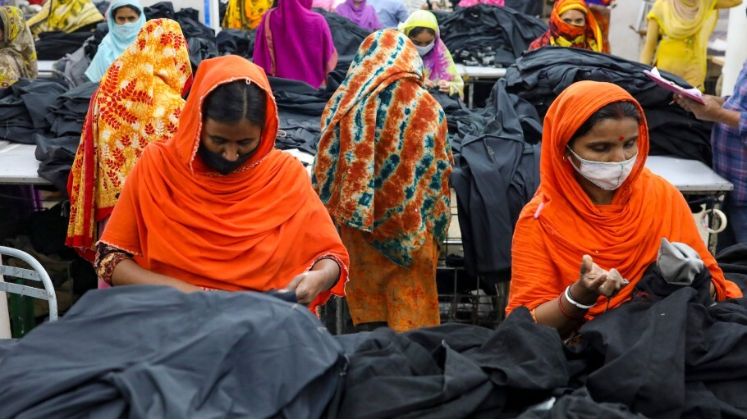
Representatives of workers in Bangladesh’s readymade garment (RMG) sector will put forward a series ofGarment workers’ representatives to propose several welfare benefits in next meeting of minimum wage board, say reports proposals aimed at securing various welfare benefits during the third meeting of the minimum wage board.
In addition to advocating for an increase in the minimum wage, they will also present demands for additional benefits, including the introduction of gratuity and provident funds to safeguard workers’ welfare after the conclusion of their employment.
Furthermore, labour leaders will propose an extension of maternity leave from the current 4 months to 6 months for female workers even as they anticipate that the new wage board’s recommendations will receive approval before the year’s end.
Sirajul Islam Rony, who represents workers on the wage board, expressed their intention to propose a reasonable wage increase that aligns with the genuine needs of the workers at the upcoming meeting.
Their proposals will take into account the prevailing conditions for RMG workers, including inflation, necessary expenditures, and the capacity of the country’s RMG sector.
Rony commented, “Over the past five years, inflation has risen significantly. Considering inflation, expenses, and other factors, we believe that the minimum wage should be in the range of Taka 20,000-22,000, but not less than Taka 18,000.”
In addition to advocating for higher wages, they will also suggest enhancing other benefits for workers. The labour leader emphasised the importance of addressing the issue of gratuity to ensure that workers do not leave empty-handed after dedicating 10-15 years to various factories.
He noted that the current wages are insufficient to support families, given the rising costs of consumer goods, daily necessities, including rent, medical expenses, medicines, and transportation fares.
Consequently, they plan to propose a minimum wage structure with 65 per cent based on the basic pay and annual increments of at least 10 per cent across all grades. Additionally, they will call for bonuses to be at least equal to the workers’ basic wages.