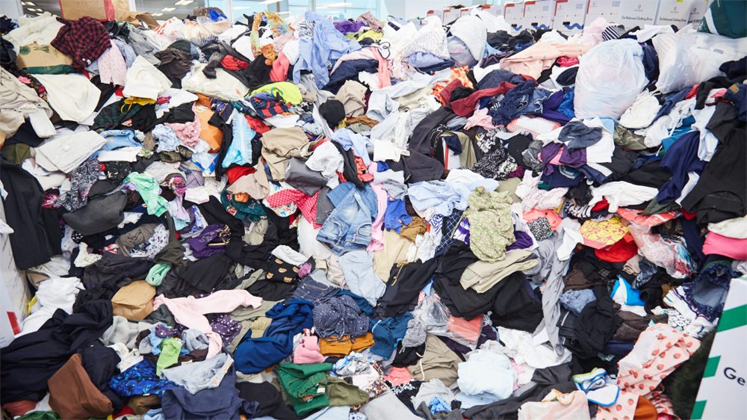
The fashion industry is a major contributor to global pollution, responsible for around 20 per cent of the planet’s wastewater and approximately 10 per cent of the world’s greenhouse gas emissions. In response, the EU is taking steps to address this environmental challenge. The EU remains optimistic that the damaging culture of excessive clothing consumption can be eradicated.
To tackle the issue, the EU recently adopted recommendations for their strategy, which focus on making clothes more durable, repairable, and recyclable.
Moreover, the EU supports regulations that prioritise human and social rights, label rights, animal welfare, and environmental considerations across the entire supply chain during production.
Countries in Africa, like Ghana, also face these challenges. Ghana stands as the world’s largest importer of used garments, importing a staggering 15 million pieces of second-hand clothing each week.
The clothing is sourced from charity shops in the UK, US, and China, perpetuating the cycle of excessive clothing consumption. The unending influx of second-hand clothing creates complex environmental and social issues.