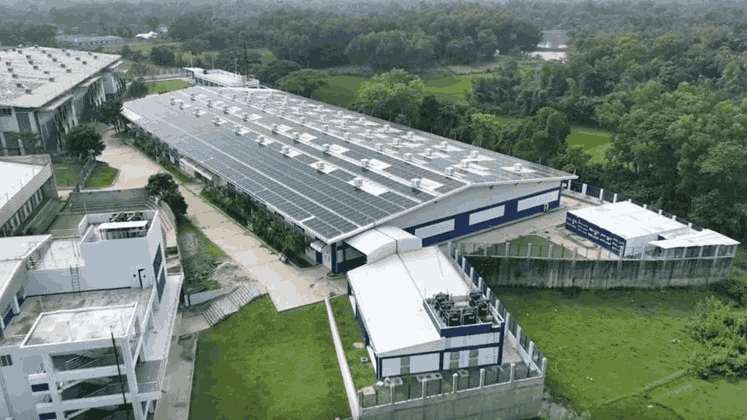
Bangladesh’s ready-made garment (RMG) industry has recorded its highest-ever annual addition of green manufacturing facilities, with 38 factories securing Leadership in Energy and Environmental Design (LEED) certification in 2025, according to the US Green Building Council (USGBC).
The latest certifications reinforce Bangladesh’s standing as a leading location for environmentally certified apparel manufacturing. Of the 38 newly certified factories, 22 achieved LEED Platinum status, 11 received Gold certification and five were awarded Silver. None were certified at the basic level, indicating a shift towards higher sustainability standards within the sector.
With these additions, Bangladesh is now home to a total of 270 LEED-certified garment factories, including 114 Platinum-rated and 137 Gold-rated facilities. This represents the largest concentration of top-tier LEED-certified apparel factories globally.
Industry observers attribute the growth in certified facilities to sustained investment by manufacturers, coordinated initiatives by industry bodies such as the Bangladesh Garment Manufacturers and Exporters Association (BGMEA), and a broader focus on responsible industrial development.
The increase in certifications reflects wider global trends, as international brands, regulators and consumers place greater emphasis on environmental performance. Bangladeshi garment manufacturers have increasingly aligned operations with standards related to energy efficiency, water management, emissions reduction and climate-resilient infrastructure, with LEED certification becoming an important reference point for buyers.
The expansion of green-certified factories also suggests a wider transition within the sector as it prepares for evolving international sustainability requirements, including tighter environmental regulations, carbon pricing mechanisms and enhanced transparency expectations in key export markets.
As the industry looks ahead, further integration of green infrastructure with lower-carbon operations, circular production practices and digital sustainability reporting is expected to shape the next phase of development. The gains recorded in 2025 indicate growing readiness within the sector to adapt to these changes while maintaining large-scale production capacity.