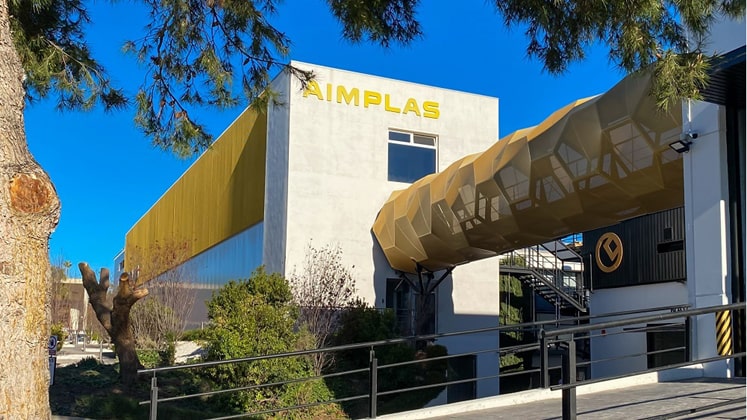
Aimplas, a Spanish centre for plastics technology, has declared its involvement in the Threading-CO2 project, an innovative European project that intends to commercialise high-quality polyester textile products using CO2 waste streams. The project intends to encourage circular manufacturing powered by renewable energy sources and considerably reduce the carbon footprint of the textile sector.
Aimplas stated in a news release that Threading-CO2 is a first-of-its-kind technology that creates high-quality, economically viable sustainable PET textile goods from CO2 waste streams at an industrial scale.
Aimplas will concentrate on developing novel catalysts for the reactions involved in the synthesis process, work with others to set up a pre-industrial pilot for use in the continuous, large-size reactor of the pilot plant, and work towards a fully circular manufacturing process by maximising the reuse and recycling of all catalysts, solvents, and additives used in the process. Aimplas and Fair will work together to improve the preparation strategy in light of the use of industrial practises.
The Threading-CO2 consortium has been chosen to pool the knowledge and abilities required to realise this cutting-edge technology that can use CO2 as a feedstock to create polyester. The collaboration is designed to have the necessary expertise, complementary experimental resources, and cooperative networks to engage with stakeholder organisations crucial to the project. To ensure product quality at the very end of the value chain, project participants have also identified and enlisted leaders in the textile sector.
There are thirteen partners in this project, hailing from seven different EU nations, including Fairbrics, University of Antwerp, Tecnalia, Lut University, CiaoTech, Deutsche Institute fur Textil- und Faserforschung denkendorf, City of Lappeenranta, Digiotouch, Faurecia, Naldeo, SurePure, Les Tissages de Charlieu, and Aimplas.